How to Correct a Misspelled Name on Your Credit Report
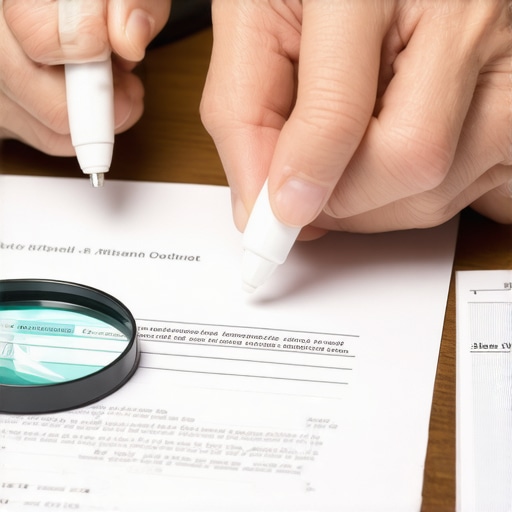
I was sitting in my favorite worn-out leather chair, steam rising from my coffee, when I got the call that turned my stomach. I was weeks away from closing on a new home, a dream my wife and I had been chasing for years. The mortgage officer sounded hesitant. “Jon, there’s a discrepancy. Your credit report lists you as ‘John Smyth.’ Your application says ‘Jon Smith.’ We can’t verify your identity for the loan.” My heart sank. How could a single, misplaced letter threaten everything I had worked for? I had spent years boosting my credit score, only to be tripped up by a typo. It felt ridiculous, unfair, and honestly, a bit scary. It turns out, that tiny “h” was just the tip of the iceberg in a system that often prioritizes data volume over data accuracy. [IMAGE_PLACEHOLDER] Today, I am going to show you exactly how to wipe those errors away so you don’t end up in the same panic I did.
Fix Your Name Before It Blocks Your Next Loan
When I first saw that misspelled name, I did something incredibly stupid: I ignored it. I thought, “Surely the credit bureaus aren’t that pedantic. They have my Social Security number and my address. They’ll figure it out.” I was wrong. Dead wrong. When your name is misspelled, it can create a “split file” or fragment your history, making it look like you have less credit than you actually do. It is one of the most common errors found in credit reports, and yet it causes some of the biggest headaches. You aren’t just fighting a typo; you’re fighting an automated system that doesn’t have a grain of common sense. If your name is wrong, the bank might think you are a different person entirely. This isn’t just about aesthetics. It’s about ensuring every bit of your hard-earned financial reputation is actually tied to you. Following the ultimate credit repair blueprint is impossible if the bureaus don’t even know who you are.
Won’t they just know it’s me by my Social Security number?
It’s the most logical question in the world, right? Unfortunately, the credit reporting system isn’t always logical. While your SSN is a primary identifier, name mismatches can trigger fraud alerts or cause your accounts to be misattributed to someone else with a similar name. This is especially dangerous if you’re trying to repair your credit after identity theft, as multiple name variations are often a red flag for lenders. According to a study by the Federal Trade Commission (FTC), about 5% of consumers had errors on their reports that could lead to less favorable terms on loans. A misspelled name is often the first domino to fall. Have you ever looked at your credit report and felt like you were looking at a stranger’s life because of a simple spelling mistake? If so, you aren’t alone, and you shouldn’t let it slide for another minute. Identifying the most common credit report errors is the first step toward a clean slate. We’re going to get this fixed, and we’re going to do it the right way, step-by-step.
Clear the Path by Scrubbing Your Personal Data First
When I realized that ‘John Smyth’ wasn’t just a typo but a barrier, I had to stop looking at my debts for a second and look at my identity. Think of your credit report like a library filing system. If the index card has your name misspelled, the librarian (the bank) can’t find your books (your good credit history). Before you even touch a late payment or a collection, you must ensure your basic information is 100% accurate. This is the foundation of the ultimate credit repair blueprint for 2025. If you have five different variations of your name and three old addresses from college, the system gets confused. Cleaning this up makes it much harder for the bureaus to verify negative accounts later on.
Gather Your Proof Like a Prosecution Attorney
The bureaus don’t take your word for it. They need ‘hard’ evidence. I remember once trying to fix a misspelled address by just telling them over the phone. They basically laughed me off. The next time, I went overboard. I pulled my social security card, my birth certificate, and a current utility bill. I laid them out, took high-resolution photos, and printed them. When you provide an undeniable paper trail, you remove their ability to hit you with a ‘frivolous dispute’ label. It is about building a case that is impossible to ignore. Using effective credit repair techniques for a fresh financial start requires this level of meticulousness.
Draft the Dispute Letter Without Sounding Like a Robot
Don’t use those generic templates you find on the first page of Google. The credit bureaus use Optical Character Recognition (OCR) to scan your mail. If your letter looks exactly like 10,000 others, they might flag it as being sent by a ‘credit repair clinic’ and ignore it. Write it by hand if you have to, or at least use your own words. State clearly: ‘My legal name is Jon Smith, but your report shows John Smyth. Please correct this immediately as it is inaccurate.’ This directness is key when learning how to fix the most common errors found in credit reports.
Use Certified Mail to Keep the Bureaus Honest
I learned this the hard way after a letter ‘disappeared’ into the Equifax void. Sending your dispute via Certified Mail with a Return Receipt is your insurance policy. It creates a legal timestamp. Once they sign for that letter, the 30-day clock starts ticking. Under the Fair Credit Reporting Act, if they don’t investigate and respond within that window, they generally have to remove the disputed info. It is like putting a GPS tracker on your progress. This is one of the most effective credit repair tips to boost your score today because it forces accountability.
Wait Out the Clock or Poke the Bear Again?
Once the letter is sent, you wait. But don’t just sit on your hands. Use this time to look for other issues, like how to remove duplicate accounts from your credit report which often happen when names are misspelled. If they come back and say ‘verified,’ don’t panic. You have the right to ask for their method of verification. Often, they just did a quick automated check. This is why you should dispute the same error more than once if you know you are right. Persistence is the only thing that breaks the bureau’s bureaucracy.Now that we’ve handled the identity crisis, we need to talk about the elephant in the room: the debt itself. Most people think that once their name is correct, the next step is to throw money at every collection listed. Stop right there. This is where most DIY-ers shoot themselves in the foot.
Stop Treating Every Collection Like a Five-Alarm Fire
Common wisdom says a paid debt is better than an unpaid one. In reality, paying an old, stagnant collection can actually tank your score. It’s one of the top credit repair myths busted by experts in 2025. When you make a partial payment on a debt that hasn’t been touched in years, you risk ‘reactivating’ it. The credit bureau sees new activity and moves that old anchor to the top of your report as if it happened yesterday. I’ve seen people try to do the right thing only to wonder why your credit score drops when you pay off a loan or an old debt. If you are going to pay, you must use the tactics for getting a deletion after you’ve already paid to ensure that the negative mark actually vanishes.
Is there a fundamental difference between credit repair and smart credit counseling?
This is a question I get constantly. Credit repair is the ‘surgical’ side—it’s about removing the cancer of inaccuracy. But smart credit counseling is the lifestyle change that keeps you out of the hospital. Repair fixes the past; counseling secures the future. According to the National Foundation for Credit Counseling (NFCC), consumers who engage in structured counseling are significantly more likely to see long-term score stability than those who simply delete accounts.
The Consolidation Trap That Doubles Your Trouble
Here is the ‘Oops’ factor no one warns you about. You get a shiny new loan to ‘consolidate’ your credit cards. You pay them all to zero. You feel like a genius. But six months later, those credit cards have balances again, and now you have the loan payment too. This is why debt consolidation loans often lead to more debt. You fixed the math but didn’t fix the habit. You have to treat the root cause, not just the symptoms. Have you ever fallen into this trap where you thought you were ahead only to find yourself deeper in the hole? Let me know in the comments. We need to be honest about these pitfalls if we’re going to actually win the game.
Ditch the Fancy Apps for a Simple Excel Sheet
After I survived that identity crisis with the ‘John Smyth’ fiasco, I realized that I couldn’t trust automated apps to manage my financial life. Many of those free tools are just lead-generation engines disguised as helpful assistants. Now, I use a ‘manual-first’ approach. I keep a basic spreadsheet where I track my statement closing dates—not just the due dates. If you want to master smart debt management practices for maintaining financial health, you need to know when the bank reports to the bureaus. I pay my balances down 48 hours before the statement closes, so the reported utilization is always near zero. This is far more effective than any ‘credit hack’ you’ll find on social media. It is about precision.
The Trended Data Shift is Changing Everything
We are entering a new era of credit reporting. According to FICO Vice President Can Arkali in their recent technical documentation regarding the FICO Score 10T model, the system is shifting toward ‘trended data.’ This means lenders aren’t just looking at what you owe today; they are looking at whether your balances have been growing or shrinking over the last 24 months. If you are just moving money around, the new algorithms will catch it. This makes credit counseling secrets for smarter debt management in 2025 even more vital. You can’t just ‘game’ the system for a month to get a loan; you have to demonstrate a consistent downward trend in your debt. 
How do I keep my credit healthy for the next decade?
Maintenance isn’t about grand gestures; it’s about the 5-minute habit that protects your credit score from sudden drops. Every Sunday morning, while the house is quiet, I log into my MyFICO account. I ignore the free scores provided by my credit card companies because VantageScore might be giving you false hope. Most mortgage lenders still use older FICO versions. I check for any new inquiries or accounts I don’t recognize. If I see something weird, I jump on it immediately. This proactive stance is the only way to ensure you are ready when a real opportunity, like that dream house, finally appears.
Diversify Your Accounts Without Going Into Debt
Once your foundation is solid, you might find your score stalling. This is usually because your ‘credit mix’ is too thin. I recently looked into the move that fixes your credit mix score by adding a small, credit-builder installment loan. It wasn’t about the money; it was about showing the bureaus I could handle different types of credit responsibly. Learning how to use credit monitoring services without hurting your score allowed me to track exactly how that new account impacted my profile in real-time. I predict that in the next few years, we will see even more weight placed on non-traditional data like utility payments and rent. Start small, stay consistent, and don’t let the bureaus dictate your worth. Try this today: Log into your primary credit card and find the ‘Statement Closing Date.’ Set a calendar alert for two days before that date and pay your balance in full then, instead of on the due date. Watch what happens to your score next month.
What I Learned While Fighting My Own Credit War
Reflecting on that “John Smyth” nightmare, I realized that credit bureaus aren’t your friends, but they aren’t invincible monsters either. They are data processors that operate on volume, not empathy. Here are the lightbulb moments that changed everything for me: Accuracy is more important than speed. I tried to rush the process and got flagged for “frivolous” claims. When I slowed down and provided a mountain of proof, they had no choice but to listen. The computer is lazy. Most disputes are handled by AI, so if you don’t make your case undeniable, the machine will just click “verified” and move on. Finally, your credit score is a lagging indicator. It reflects the person you were six months ago, not the person you are today. Don’t get discouraged if the needle doesn’t move overnight. Persistence is your greatest asset.
Where to Turn When You’re Tired of Guessing
You don’t have to do this in the dark. I rely on a few specific pillars to keep my report clean and my anxiety low. First, I always check the official AnnualCreditReport.com site; it’s the only place for truly free weekly reports. For my actual scores, I skip the “free” apps and use MyFICO because VantageScore might be giving you false hope with its different modeling. [IMAGE_PLACEHOLDER] If the legal side gets too heavy, I suggest looking into the truth about non-profit credit counselors to see if they can negotiate on your behalf. Also, always keep a copy of the Fair Debt Collection Practices Act handy; knowing your rights is like having a shield in a sword fight. You should also learn how to spot a credit repair scam in seconds so you don’t waste money on “magic” fixes that don’t exist.
The View From the Other Side of a 750 Score
When my wife and I finally walked into our new home, the “John Smyth” typo was a distant memory. But I never forgot the feeling of being trapped by a system I didn’t understand. Real credit repair isn’t about “gaming” the bureaus; it’s about taking ownership of your financial identity. It’s about ensuring the world sees the responsible person you’ve worked so hard to become. Don’t let a misspelled name or an old mistake define your future. You have the tools, the rights, and the blueprint to change your trajectory starting today. You can even learn how to effectively use credit counseling to fix your finances if you need a professional partner in this process. Success is just one dispute letter away. Have you ever found a typo on your report that felt like it was holding your life hostage? Let me know in the comments below!