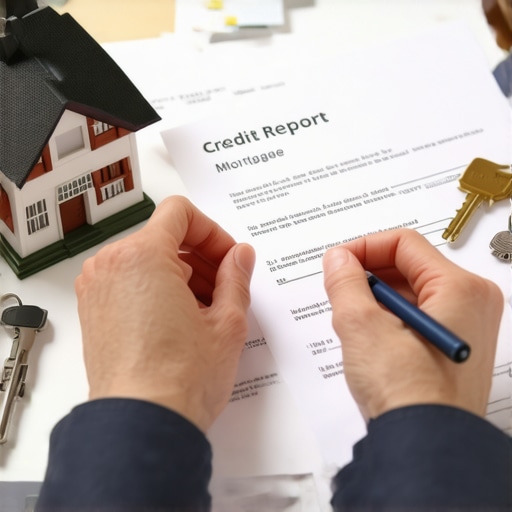
How to Fix Your Credit After a Mortgage Rejection
I remember the crushing feeling when I got that letter stating my mortgage was denied. It was like a punch to the gut, especially after months of saving and preparing. That moment made me realize how fragile our credit situation can be and how a few missteps can derail big dreams. If you’ve faced the same frustration—wondering why your credit isn’t working in your favor or feeling stuck after a rejection—you’re not alone. I’ve been there, and I want to tell you: there’s hope.
In today’s post, we’re going to explore how to fix your credit after a mortgage rejection and turn that setback into a comeback. Trust me, the journey isn’t about quick fixes but about understanding the real reasons behind your credit score and taking actionable steps to improve it. Because let’s face it, bad credit isn’t a reflection of who you are; it’s often a result of overlooked mistakes and mismanaged financial habits.
Knowing Why Your Credit Fell Short
As I dug into my credit issues, I realized I had made a crucial mistake early on: ignoring small negative marks on my report. I thought that if the most significant debts were paid, the minor errors wouldn’t matter. Turns out, those small blemishes can add up and make lenders hesitate. According to a study by FICO, minor credit report mistakes or outdated information can lower your score by several points, enough to tip the scales against you during loan approval.
This was my wake-up call. If you’re wondering whether fixing your credit is worth the effort or if it’s just a myth that credit scores can be improved after a rejection, I can tell you from personal experience: it’s absolutely doable. The key is understanding the common pitfalls and avoiding them. For example, many people believe that closing old credit accounts helps improve their score, but in reality, it often has the opposite effect. Learning these nuances can save you time and frustration.
Early in my journey, I also underestimated the importance of monitoring my credit report regularly. I didn’t realize that disputes or outdated information could be corrected to boost my score. If you’re curious about how to identify and fix such errors, [this guide](https://counselcredits.com/how-to-deal-with-zombie-debt-that-keeps-resurfacing) offers practical insights.
Now, I want to ask—have you already tried to improve your credit but hit a wall? Or are you just starting to realize the importance of a strong credit score for your homeownership dreams? No matter your situation, the following steps will help you build a solid foundation toward that next mortgage application. Ready to turn things around? Let’s dive into the strategies that worked for me and can work for you too.
Review Your Credit Report Like a Detective
Start by pulling your free credit reports from the three major bureaus—Equifax, Experian, and TransUnion. Scrutinize each report meticulously, searching for errors like outdated accounts, incorrect personal information, or fraudulent activity. I once discovered a closed account from five years ago still listed as open, which negatively impacted my score. Correcting these inaccuracies can sometimes boost your score by dozens of points. If you find discrepancies, dispute them directly with the bureau using [this guide](https://counselcredits.com/credit-counseling-insights-unlock-your-path-to-better-credit).
Dispute Errors and Outdated Information
Next, challenge any inaccuracies by submitting a formal dispute. Keep detailed records of your correspondence and evidence. Use certified mail or online dispute processes provided by the bureaus. Clearing outdated collections or incorrect late payments can rapidly improve your credit profile, making you more appealing to lenders. Remember, lenders prefer transparency; disputing errors is a crucial tactic in your credit repair arsenal.
Strategically Reduce Your Credit Utilization
Your credit utilization ratio—the percentage of your available credit you’re using—has a significant impact on your score. Aim to keep it below 30%, ideally under 10% for optimal boost. For example, if you have a credit card with a $1,000 limit, try to keep the balance under $100. Paying down existing balances or requesting a credit limit increase (without a hard inquiry) can make a big difference. I once managed to raise my limit by calling my credit card issuer and requesting an increase during a promotional period, which instantly lowered my utilization ratio and improved my score.
Build or Rebuild Your Credit Step-by-Step
If you have little or no credit history, focus on building it responsibly. Consider opening a secured credit card where your deposit acts as collateral. Use this card for small purchases—like gas or groceries—and pay the balance in full each month. This creates a positive payment history, which is the most influential factor in your credit score. For a detailed guide, visit [this resource](https://counselcredits.com/building-credit-from-scratch-a-step-by-step-guide). Over time, these small steps will compound into a solid credit file.
Establish Consistent Payment Habits
Timely payments are the cornerstone of good credit. Set up automatic payments or calendar reminders to ensure bills are paid on time. Missing just a single payment can cause a significant drop in your score. When I started automating my bill payments, I avoided late fees and the stress of manual payments, leading to a steady score improvement over a few months.
Utilize Credit Counseling for Expert Guidance
If debt feels overwhelming, consulting with a credit counselor can provide personalized strategies tailored to your situation. These professionals can help you develop a debt management plan, negotiate settlements, or suggest appropriate credit products. Learn more about effective debt strategies at [this link](https://counselcredits.com/credit-counseling-secrets-for-smarter-debt-management-in-2025). Proper guidance ensures you avoid common pitfalls and accelerate your credit repair process.
Maintain Patience and Track Your Progress
Credit repair is a marathon, not a sprint. Monitor your report regularly and celebrate small wins, like an improved score or account updates. Consistent effort over time will gradually rebuild your credit standing, making that mortgage approval much more attainable in the future. Stay disciplined, avoid new negative marks, and leverage proven methods to craft a healthier financial profile.
Many believe that fixing bad credit or managing debt is simply about paying bills on time or disputing errors. However, this oversimplification can lead you to miss crucial nuances that might be sabotaging your efforts. One common myth is that increasing your credit limit will automatically boost your score—while this can help lower utilization, if you don’t pay down existing balances, it might not yield the desired effect. In fact, some experts warn against opening multiple credit lines rapidly, as hard inquiries and new accounts can temporarily ding your score, despite long-term benefits. Understanding the delicate balance of credit behavior is essential; for instance, the timing of credit inquiries matters more than most realize, and applying for several loans in a short span can signal financial distress to lenders, even if your total debt is manageable.
What advanced strategies can truly optimize your credit profile beyond basic actions?
Delving deeper, the subtle interplay between debt repayment plans and credit scoring models reveals that withdrawing from debt too quickly can negatively impact your credit mix, which is an important factor in your score. This nuance is often overlooked; sticking to a diversified credit mix (installment loans, revolving credit, etc.) and maintaining consistency shows stability, a key factor in loan approvals. Moreover, many people underestimate the importance of timing when disputing errors—correcting outdated information early can prevent negative marks from aging out naturally, which can be a strategic move to improve your score faster. According to FICO’s latest updates, actively managing your credit profile with precision and awareness of these subtleties accelerates your journey toward financial health. It’s tempting to rely on quick fixes or generic advice, but integrating these advanced insights means you’re playing chess, not checkers, with your credit recovery. Want to avoid common pitfalls? Connect with experts through [this contact page](https://counselcredits.com/contact-us) and stay ahead in your credit journey. Have you ever fallen into this trap? Let me know in the comments.
Invest in the Right Tools for Maintenance
To keep your credit health thriving, I rely heavily on a few specific tools. First, I recommend using Credit Karma for weekly monitoring because it offers free access to your credit reports and scores, helping me catch inaccuracies early. I also use Experian’s Credit Monitoring for real-time alerts, which is crucial in today’s fast-paced credit environment. These platforms have saved me from potential fraud and helped track the impact of my credit-building strategies. Additionally, I leverage budgeting software like YNAB (You Need A Budget) to maintain disciplined spending habits, ensuring my debt-to-credit ratios stay on target. Personally, I prefer these tools because they combine ease of use with detailed insights, empowering me to make data-driven decisions and sustain long-term progress.
Avoid the Pitfall of Complacency
Many people believe that once they see improvement, their work is done. Not so. Regularly reviewing your credit reports and adjusting your strategy is vital. Practicing routine audits—say, every three months—can help you stay ahead of errors or unforeseen account issues. For instance, I set recurring reminders to check my reports using the credit monitoring services. This ongoing vigilance helps cement the benefits of your initial efforts and prevents minor issues from spiraling into setbacks.
Long-Term Growth: How to Stay on Track and Scale Up
Scaling your credit health involves smart decisions: increasing credit limits responsibly, diversifying your credit mix, and strategically applying for new credit when appropriate. I’ve found that maintaining an active, responsible credit profile can boost your score over time—an important factor that lenders consider. As noted by FICO, a healthy credit mix and consistent, on-time payments are key to long-term success. Incorporating tools like Personal Capital helps me visualize my entire financial landscape, ensuring my credit habits align with my goals. And with the trend toward more personalized financial dashboards, staying informed and proactive is easier than ever.
How do I maintain my credit over time?
The best way to keep your efforts sustainable is to automate your payments, regularly check your credit reports for errors, and adjust your credit limits thoughtfully. Don’t forget to stay updated on latest strategies—like exploring advanced repair techniques—which can give you an edge as the credit landscape evolves. For example, I’ve recently started using a credit limit increase through pre-approved offers, which has helped lower my utilization ratio without applying for new credit, as recommended in recent industry insights from Experian.
Embrace these best practices, and you’ll ensure your credit remains a powerful tool for your financial future. For expert guidance tailored to your situation, consider reaching out through this contact page.
The Hidden Truths I Wish I Knew About Credit Repair
One of the most eye-opening lessons I encountered was realizing that my credit report was more like a puzzle than a straightforward story. I discovered that small errors, outdated information, and even forgotten accounts could silently sabotage my efforts. It taught me the importance of acting as my own detective—meticulously reviewing every detail to uncover opportunities for improvement and avoid mistakes that could set me back. Recognizing that even minor inaccuracies can significantly impact your score was a game-changer, leading me to dispute errors proactively and strengthen my profile.
Tools That Transformed My Credit Journey
Instead of relying solely on intuition, I turned to trusted tools that provided clear insights. Platforms like Credit Karma and Experian’s Credit Monitoring became my allies in tracking changes and flagging errors early. These resources helped me stay disciplined, catch potential fraud, and make data-driven decisions. I also found that budgeting tools like YNAB kept my spending habits in check, ensuring my credit utilization stayed low and my financial actions aligned with my goals.
Don’t Let Fear Hold You Back
The most inspiring lesson I learned was that overcoming credit hurdles is entirely within your reach, but it requires patience, consistency, and a proactive mindset. I refused to accept the myth that bad credit was forever or beyond repair. Instead, I took strategic steps—disputing inaccuracies, managing debt wisely, and building positive habits—that gradually turned my financial outlook around. If you’re feeling stuck after a mortgage rejection, remember that every small action you take today is a building block for your future—trust in the process, stay committed, and keep moving forward. Your journey toward financial freedom begins now.