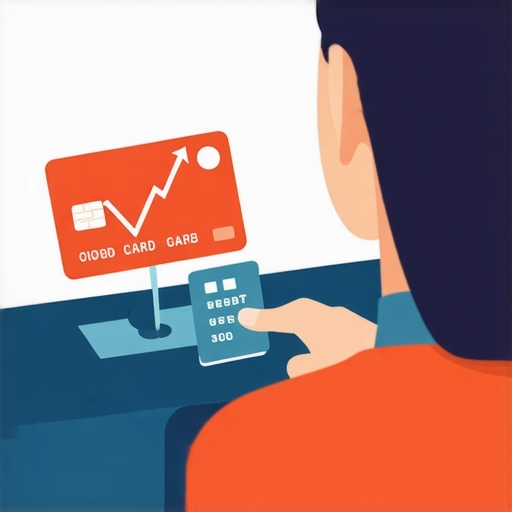
How to Protect Your Credit Score During a Furlough
It was a sudden jolt—one minute I was steadily salaried, and the next, furloughed with no warning. That moment hit hard, revealing how fragile our financial footing can be when unexpected job loss or temporary pay cuts happen. I remember feeling overwhelmed, wondering if my credit score would plummet overnight, and how I could safeguard it in such uncertain times.
Why a Furlough Shouldn’t Derail Your Credit Health
During my own furlough, I realized that my credit score, which I had diligently worked to build, was more vulnerable than I thought. Many folks assume that a temporary change in income isn’t a big deal for credit, but the reality is different. Even a short-term income disruption can lead to missed payments or maxed-out cards if you’re not proactive. The good news? There are strategies to protect your score and even improve it, despite financial setbacks.
One eye-opening truth I discovered is that unpaid bills or missed payments during a furlough can stay on your credit report for up to seven years, potentially harming your future borrowing chances. So, it’s crucial to act now. For a detailed breakdown of quick credit boost hacks, check out this comprehensive guide on credit building hacks.
Are you facing similar concerns? If you’ve already seen your credit dip unexpectedly, rest assured—you’re not alone. Today, I’ll share practical, proven steps that I personally tested, to help you safeguard and even boost your credit score during turbulent times.
Is It Really Possible to Keep My Credit Intact During a Furlough?
Early on, I made the mistake of ignoring my credit lines, thinking that since I wasn’t able to make full payments, nothing much could be done. That was a rookie error. Remember, your credit report reflects your habits and proactive management, not just your income. By staying informed and implementing smart habits, I maintained my score. I’ll walk you through exactly what I did—things like negotiating payment plans and adjusting your credit utilization—so you can avoid common pitfalls. For more on smart debt practices, have a look at smart debt management practices.
Make Payments on Time, No Matter What
During my furlough, I set up automatic payments for my existing credit accounts to prevent missed due dates. Think of your credit score like a garden; consistent watering keeps it healthy. I scheduled payments at least a few days before due dates to buffer against delays. If funds are tight, call your creditors directly—many are willing to negotiate deferred payments or lower interest rates temporarily, which can be a lifesaver. Regular, on-time payments demonstrate your reliability, which is crucial for maintaining or boosting your score even during financial upheavals.
Reduce Your Credit Utilization Immediately
High credit utilization is like overloading a circuit—dangerous for your score. I reviewed my credit reports and prioritized paying down credit card balances, especially those with the highest usage relative to their limits. A practical tip: aim to keep your utilization below 30%, but ideally under 10% if possible. If paying down balances isn’t feasible, consider requesting a credit limit increase. This strategy acts like widening the circuit, allowing more room without overloading. You can use these credit building hacks for actionable tips on quick improvements.
Negotiate Hard with Your Creditors
I found that reaching out directly and explaining my situation led to unexpected concessions. Think of this as bargaining in a marketplace—be clear, polite, and persistent. Ask for leniency on missed payments or to temporarily lower interest rates. Many creditors prefer to work with you rather than lose a payment entirely. Document every conversation and agreement—this creates your proof if issues arise later. This proactive approach can save your credit profile from unnecessary drops and even lead to better terms once your finances stabilize.
Dispute Inaccuracies on Your Credit Report
Occasionally, errors or outdated information can unfairly damage your score. I regularly checked my reports through credit reports and challenged anything suspicious. Use the validation first approach: send a letter requesting proof for dubious entries. Think of your credit report like a receipt—a record of your financial history—so keeping it accurate is essential. Correcting errors not only stabilizes your score but also builds confidence in your credit profile.
Maintain a Healthy Debt Mix
Having diverse types of credit can boost your score, like a well-balanced team. If you have only credit cards, consider adding a small, secured loan or a credit-builder account. During tough times, avoid closing old accounts; think of them as sturdy foundations that hold your credit history intact. Also, if you have existing debts, strategize to pay off high-interest accounts first, balancing the debt avalanche method with your cash flow. This approach ensures your credit remains strong and demonstrates responsible management to lenders.
Be Strategic with New Applications
Every new credit inquiry temporarily dips your score, like a small gust that can topple a delicate structure. During furloughs, I limited new applications and focused on existing accounts. When necessary, I prioritized applying for cards or loans with soft inquiries or pre-qualification options, which don’t affect your score. Also, keep your applications within a brief window—this shows lenders you’re shopping responsibly without signaling financial distress. Stay informed with expert tips from credit repair guides to avoid pitfalls here.
Build Credit Using Everyday Bills
One surprise I learned is that utility, cell, or streaming bills can help build your credit if reported. Think of these payments as votes of reliability—influence your score positively once reported. I added my bills to authorized user accounts or used services that report non-credit accounts to the bureaus. This method, akin to earning goodwill in a community, can be particularly helpful when traditional credit history is shallow or spotty. Check out this guide for more details on leveraging everyday expenses.
Many believe that credit counseling and debt management are simple fixes that can instantly repair a damaged credit profile. However, let’s dig deeper into the nuanced realities that often get overlooked. One common myth is that enrolling in a credit counseling program automatically boosts your credit score. In truth, while these programs can help you craft a sustainable debt payoff plan, they may temporarily lower your score due to account closures or new inquiries. The key is understanding that credit health is a long-term game, not a quick fix. Another misconception is that debt consolidation services drastically reduce your total debt without affecting your creditworthiness. Some providers promote this as a magic bullet, but in reality, consolidating debt can be risky if it leads to new borrowing or missed payments—especially if you don’t address underlying spending habits. A critical nuance that often flies under the radar is the importance of maintaining **a healthy credit mix**. Many focus solely on paying down credit cards, neglecting to diversify credit types, which FICO algorithms favor. This is why strategic addition of different credit accounts, like secured loans, can sometimes work in your favor. But beware: opening multiple accounts in a short period can trigger hard inquiries, temporarily dinging your score. For advanced readers, consider the impact of the FICO 10 score, which emphasizes non-traditional data, such as utility and rental payments, for credit-building. Studies have shown that reporting regular utility bills can add meaningful points to your credit profile, but many overlook this avenue, opting instead for traditional credit lines. Never forget that attempting to repair credit without understanding these nuances can lead to unintended setbacks. Avoid the trap of focusing only on removal of negative items, which might not be enough if your overall credit profile lacks diversity and healthy management. For actionable strategies, explore credit building hacks and smarter debt management secrets. Recognize that quick fixes often ignore the deeper mechanics at play. Are you aware of how different credit behaviors influence your score over time? If not, you might be missing opportunities that could accelerate your progress. Have you ever fallen into this trap? Let me know in the comments.Maintaining a strong credit profile over time requires more than just good habits; it demands the right tools and a proactive approach. I personally rely on a combination of specific software and organizational methods that keep my credit in check and allow me to scale my efforts effectively. One indispensable tool I use is a dedicated credit monitoring service like Experian or Credit Karma, which provides real-time alerts on changes to my credit report, helping me spot errors or suspicious activity instantly. These platforms also offer insights into how specific actions—like paying down a credit card or opening a new account—affect my score, aligning with the latest FICO score factors, including non-traditional data as highlighted in recent industry updates.
Beyond the Basics: Lessons I Wish I’d Discovered Sooner
One of the most profound insights was realizing that proactive communication with creditors can open doors to flexible arrangements, saving your credit score from unnecessary damage. I also learned that a healthy credit mix isn’t just about variety—it’s a strategic tool that lenders scrutinize to gauge stability. Lastly, the importance of continuous education became clear; understanding evolving credit scoring models enables smarter decisions, such as leveraging non-traditional data to boost scores effectively.
Keys to Smarter Credit Moves Now
For those eager to refine their approach, I recommend tools like credit building hacks that offer quick wins, and credit counseling insights that help you understand the nuanced mechanics of credit health. Books such as “Your Score” by Anthony Davenport have provided me with deeper context, empowering me to make informed decisions. Additionally, staying connected with expert communities offers ongoing support tailored to your unique circumstances.
Your Next Step Toward Financial Confidence
Embrace the journey of strengthening your credit profile, knowing each smart step brings you closer to financial resilience. Remember, the strategies discussed here are not just theories—they have been tested and refined through my own experience. Take action today, and don’t hesitate to seek personalized guidance when needed. Your credit health is an investment that pays lifelong dividends.