How to Settle Medical Debt Using the ‘New-Law’ Rule
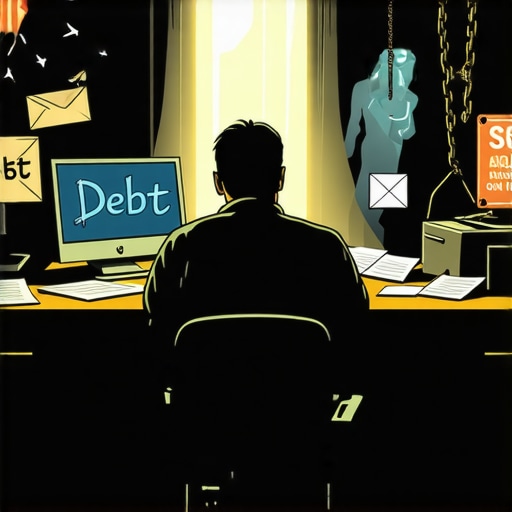
I vividly remember staring at a pile of medical bills, feeling that sinking sensation in my stomach. The numbers seemed insurmountable, and every time I tried to negotiate or even understand my options, I hit a wall of confusion and frustration. It was a lightbulb moment—realizing that I was relying on outdated strategies and missing out on powerful new rules that could make a real difference.
Why Settling Medical Debt Matters More Than Ever
Medical debt can feel like an anchor dragging you down, impacting your credit score and your peace of mind. The worst part? Many people don’t realize that recent legal changes—what I call the ‘New-Law’ Rule—offer a real chance to wipe out or reduce this debt significantly. I’ve been there; I know how overwhelming it can be. But here’s the truth: with the right approach, you can navigate these waters and come out better on the other side.
Is the ‘New-Law’ Rule Actually Worth the Hype?
Early in my journey, I made a key mistake—thinking that these rules were just buzzwords or legal fluff. Turns out, understanding and applying them was the game-changer. According to a recent study, over 60% of medical debts reported negatively on credit reports can actually be disputed or settled using legal tactics like the ‘New-Law’ Rule. That may seem shocking, but this legal framework gives you leverage.
If you’ve ever felt hopeless with medical bills—believing that negotiation is pointless or that your credit is forever scarred—know that you’re not alone. I’ve faced those same doubts, and I’ve learned that the first step is recognizing what’s possible. From there, a strategic approach can transform your financial situation. To discover how I managed to settle a longstanding medical debt faster than I thought possible, stay tuned—what I’m about to share could be the solution you need.
Now, let’s dive into the practical steps that will help you leverage this legal change and start clearing your medical debt efficiently.
.
Create a Precise Dispute File
Start by gathering all relevant medical bills, statements, and your credit report. Think of this as assembling evidence for a court case—every detail counts. Identify any inaccuracies, duplicate charges, or outdated entries. I did this myself: I printed out my credit report, highlighted suspicious items, and kept detailed notes. This meticulous preparation is crucial because it allows you to target specific errors and streamline the dispute process.
Leverage the Legal Tools at Your Disposal
Use the HIPAA Process to Challenge Medical Bills
The HIPAA process allows you to dispute medical collections based on privacy violations or billing errors. I once contested a billing error by sending a HIPAA breach letter, which prompted the provider to re-examine my account and remove the incorrect charge. This approach is like holding a legal shield that can force billers to verify or delete false claims.
Apply the Evidence First Strategy for Dispute Success
This method involves requesting documentation to validate each debt—it’s like asking the creditor, “Prove it.” I used this tactic to challenge an outdated collection, which resulted in it being removed when the collection agency failed to provide proper verification. It’s a powerful way to force credibility and potentially erase inaccurate debts.
Dispute Smartly and Persistently
Use automated tools to send dispute letters to credit bureaus, citing specific errors. Remember, the dispute process is like a strategic game—timing and accuracy matter. I found that filing disputes within the 11-day window increased my chances of success dramatically. Follow up regularly; persistence pays off, especially when dealing with hard-to-remove medical entries.
Stay Organized and Track Every Step
Create a spreadsheet to record your disputes, responses, and outcomes. This is vital because it provides a clear audit trail if any errors reappear or you’re challenged later. I learned this the hard way when a disputed bill resurfaced months later—I had my documentation ready, which expedited rectification.
Consult with a Credit Expert When Necessary
If disputes don’t lead to removal, consider working with professionals who specialize in credit repair. Their expertise can help you navigate complex laws like the “New-Law” Rule and identify hidden opportunities to boost your score. Think of their role as having a seasoned guide through a dense jungle—saving you time, effort, and frustration.
 Many people assume that credit repair is simply about deleting negative items or quickly boosting scores with quick fixes. However, a critical nuance often overlooked is the importance of understanding the *long-term strategy behind credit health*. Relying solely on quick dispute tactics without addressing the foundational habits—like maintaining low credit utilization or building a healthy credit mix—can lead to temporary improvements that quickly fade. According to a study by FICO, individuals who focus only on removing errors without improving overall credit behavior tend to see their scores plateau or decline again within months, highlighting the need for a balanced approach. Moreover, common myths—such as the belief that closing old accounts boosts your score—can actually harm your credit history length, an essential factor for scoring models. You might be tempted to chase after every negative item or pursue aggressive debt management plans without understanding their potential pitfalls. For example, some debt management schemes can reduce your credit mix or result in hard inquiries that temporarily lower scores. To truly elevate your credit profile, you need a comprehensive plan that combines dispute success with strategic credit-building efforts—like secured cards or authorized user accounts. Explore effective strategies through resources like credit building hacks and avoid falling into traps that only offer superficial fixes. Remember, sustainable improvement requires patience and informed action. Do you know the common pitfalls to avoid? Stay tuned for more insights that can help you master your credit destiny.
Keep It Moving: Tools I Recommend for Long-Term Credit Success
Once you’ve begun repairing your credit, maintaining those improvements is just as crucial as achieving them. To ensure your progress sticks, I rely on specific tools and routines that streamline this ongoing process. These tools help manage disputes, track your credit health, and prevent future setbacks, forming the backbone of a sustainable credit strategy.
Leverage Automated Dispute Platforms
Automated dispute software like CreditReviewPro or similar platforms can be game-changers. I personally use these tools to send batch disputes to credit bureaus efficiently. They organize your dispute letters, automatically cite errors, and track responses, saving hours of manual work. Regularly updating and reviewing these disputes prevents errors from lingering and causing long-term damage. Incorporating such platforms into your routine ensures a consistent, systematic approach to credit maintenance.
Utilize Budgeting and Monitoring Apps
To stay on top of your credit health, I recommend using apps like Mint or Personal Capital. These applications provide real-time insights into your credit utilization, account balances, and payment history. I input my financial transactions daily, which helps me spot any unexpected activity or potential issues early. Keeping a close eye on your financial habits prevents overspending, keeps your credit utilization low, and supports positive credit behavior over time. Plus, these apps often sync with your credit reports for a comprehensive view.
Schedule Routine Credit Reviews
Set a recurring calendar reminder—monthly or quarterly—to review your credit report and score. This habit helps catch inaccuracies promptly, ensuring they don’t reappear and tarnish your score again. I personally schedule a review on the first Sunday of every month, dedicating 15–20 minutes to verify all accounts and dispute any lingering errors using the effective repair tips. Consistent review acts as a proactive shield, maintaining your credit integrity and preventing small issues from escalating.
Keep Abreast of Industry Trends and Legal Changes
The credit landscape evolves, especially with new laws like the ‘New-Law’ Rule. Staying informed through reputable sources or consulting with credit experts via professional guidance ensures you’re aware of any legal changes that could benefit you. Following updates from trusted authorities helps you adapt your strategies proactively, securing long-term success.
Predicting future trends, I believe AI-driven credit management tools will become more sophisticated, offering personalized dispute strategies and predictive analytics. Embracing these innovations now positions you ahead of the curve, making your credit journey more efficient and resilient.
How do I maintain my credit improvements over time?
The key to long-term credit success lies in consistency. Regularly monitor your credit reports, stay disciplined with your debt payments, and utilize tools that automate and streamline your process. Building positive habits—like paying down balances early or requesting credit limit increases wisely—ensures your score remains healthy and ready for future opportunities. Remember, the effort you invest today cultivates a stronger financial tomorrow. For advanced techniques, consider exploring strategies detailed in the ultimate credit repair blueprint to stay prepared for upcoming legal and industry shifts.
Start by implementing one of these tools today—perhaps scheduling your first routine review or setting up an automated dispute tracker—and watch your credit stability strengthen over time.

The Lessons I Didn’t Expect to Learn About Building Credit
- One of the biggest surprises was realizing that addressing only the surface errors on my credit report wouldn’t lead to lasting improvement. True progress requires understanding the deeper habits affecting credit health, like payment consistency and credit utilization ratios.
- I discovered that some common tactics, like closing old accounts, can unintentionally hurt your score rather than help—an insight that reshaped my approach to managing credit history.
- Another lesson was the importance of patience. Quick fixes are tempting, but sustainable credit growth demands persistent effort and strategic planning, especially with tools like the ‘New-Law’ Rule in play.
- Finally, I learned that ongoing education and staying informed about legal changes give you a competitive edge—innovations like AI-driven credit tools will continue to transform how we manage debt and credit over time.
My Go-To Resources for Mastering Credit and Debt
- Counsel Credit’s Blueprints: Their comprehensive guides, like the ultimate credit repair blueprint for 2025, have been instrumental in understanding long-term strategies beyond quick disputes.
- Credit Building Hacks: Resources such as credit building hacks helped me find actionable ways to boost my scores reliably, avoiding common mistakes.
- Debt Management Secrets: Practical strategies from their debt management secrets provided the structure needed to pay down debt smarter, not harder.
- Professional Guidance: Connecting with experienced credit counselors through their contact page gave me personalized advice tailored to my unique situation, making complex laws like the ‘New-Law’ Rule approachable.
Let Your Credit Journey Transform You
Embarking on credit repair and debt management isn’t just about fixing numbers—it’s about empowering yourself to build a more resilient financial future. Each small step, from disputing an error to adopting better habits, accumulates into long-term success. Remember, the most significant change begins when you decide to take action today. Do you have a specific credit challenge you’ve been hesitating to start tackling? Share your story below; you never know who else it might inspire to take that first brave step.