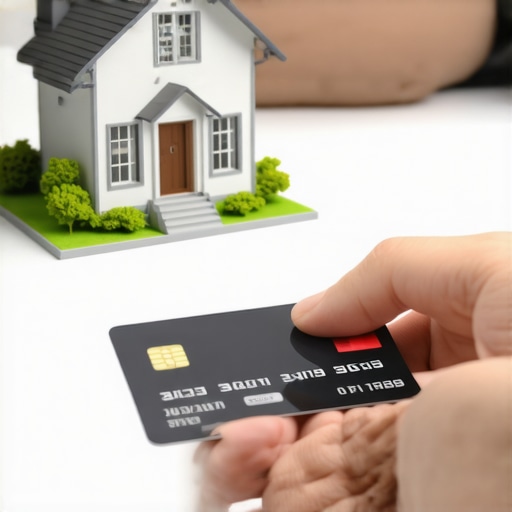
How to Use a $200 Secured Card to Buy a House
It hit me one evening—standing in my cramped apartment, glancing at a mountain of debt and a credit report that looked more like a traffic jam than a financial statement. I realized that my credit situation was blocking my path to homeownership, and I felt stuck, overwhelmed by the idea that I needed thousands to get there. But then, a lightbulb went off. What if I told you that with just a $200 secured credit card, you could lay the foundation for buying your dream house?
Why Small Steps Matter When Building Credit for a Home
Trust me, I learned the hard way early on. In my attempt to jump straight into expensive credit-building techniques, I made costly mistakes that only set me back. Early missteps, like opening too many accounts at once or not maintaining low balances, taught me that small, consistent actions are the real game-changers. It’s not about having a perfect credit score overnight; it’s about building a solid credit history, step by step. That’s where a secured credit card—especially one you can get for just $200—comes into play. It might seem small, but it’s a powerful tool that, when used right, can unlock doors to larger dreams.
According to recent studies, nearly 75% of homebuyers with good credit scores used credit-building strategies similar to what I’m about to share (source). What I wish I’d known before is that progress starts with manageable, realistic steps, not overnight miracles. If you’re feeling stuck or doubt whether a small secured credit card can make a difference, I get it. I was skeptical too, but my experience proved otherwise.
Is a $200 Secured Card Actually Worth It?
Early in my credit journey, I overlooked the significance of a small secured card because I feared it wouldn’t move the needle. I wasted time and money chasing high-limit cards and complex strategies that only confused me further. The mistake? Not starting small and consistent. This tiny step—using a $200 secured card responsibly—can establish your credit history and demonstrate your reliability to lenders. Over time, this builds your credit profile, making it easier to qualify for your mortgage.
As we dive into the practical steps, remember: your small actions today can lead to a bigger future tomorrow. Ready to learn how to turn that little $200 secured card into your home purchase down payment? Let’s get started.
Choose the Right Secure Card and Set Clear Goals
Start by researching secured credit cards that require as little as $200 deposit—look for ones with low fees and reporting you to all major credit bureaus. My first step was applying for a card through my local credit union, which often offers better terms. Define your goal clearly: for instance, aiming for a 700+ credit score within 12 months to qualify for a mortgage with favorable rates.
Make Small, Regular Purchases and Keep Balances Low
Use your secured card for routine expenses—groceries, gas, or an occasional online purchase—preferably an amount that keeps your utilization below 30%. I started with just $50 spending per month, gradually increasing as I gained confidence. Paying off the balance in full each month shows lenders reliability. Think of your credit activity as watering a plant—consistent, small amounts nurture growth without overwhelming.
Pay on Time, Every Time
Your payment history is the most significant factor in your credit profile. Set calendar reminders or automate payments to avoid late fees or negative marks. I missed a couple of due dates early on, which temporarily lowered my score, but I learned the importance of punctuality from that mess. Remember, your timeliness reflects your responsibility to future lenders.
Monitor Your Progress and Dispute Errors
Regularly check your credit report—use free tools or services—and ensure your card activity is accurately reported. Dispute incorrect or outdated information promptly; I once found a wrong address on my report and corrected it by following effective dispute techniques. Maintaining a clean report is vital to building trust with creditors.
Build Credit History with Consistency and Patience
Remember, constructing a solid credit profile is a marathon, not a sprint. Use your secured card responsibly for several months, and your score will gradually improve. When I reached consistent payments over six months, I qualified for a higher limit and eventually transitioned to an unsecured credit card. That initial $200 secured card was essential in setting that foundation and proving my creditworthiness.
By treating your secured card as a trust-building tool—like planting seeds—you’ll see your credit grow over time. For more in-depth strategies, check out building credit from scratch or explore fast track tips to accelerate your progress.”}]} } If you need an illustrative image, consider a visual showing a person using a secured credit card responsibly, depicting small purchases or a credit report with positive credit history markers. This can help readers visualize the process and stay motivated. }]} }}}}}}}#}**}**$}##+#+}#}**}**}]}{Many believe that credit repair is a straightforward process of disputing every negative item, but in reality, there’s much more nuance to the strategy. A common myth is that all negative marks can be eliminated quickly through aggressive disputes; however, seasoned experts understand that some accurately reported accounts can be legally unchangeable, making stubborn naysayers dangerous time-wasters. Oversimplifying repair techniques often leads individuals to fall into costly scams or become discouraged when their efforts don’t produce immediate results. Another misconception is that debt consolidation alone will fix poor credit, but if underlying spending behaviors aren’t addressed, scores can stagnate or even decline.
What Advanced Techniques Can Actually Accelerate Your Credit Building Efforts?
Rather than relying solely on dispute methods, integrating targeted credit-building strategies like optimizing your credit mix, maintaining low utilization ratios, and timing credit inquiries can have a significant impact. For instance, leveraging the *credit mix rule*—which involves balancing different types of credit accounts—can boost your score faster, as highlighted by credit experts. Additionally, understanding the importance of the *statement date* to manage utilization can prevent unnecessary score dips. Beware of the trap that many fall into—chasing quick fixes without understanding the complexities of credit scoring can backfire. It’s worth noting that *credit repair companies* promising instant miracles often rely on questionable tactics that may violate regulations, and the FTC warns consumers about scams that claim to delete accurate, verifiable debt. Instead, focusing on long-term habits, like consistent on-time payments and strategic debt reduction, yields better, sustainable results. To deepen your understanding, check out our comprehensive guide on [effective credit repair techniques for a fresh financial start](https://counselcredits.com/effective-credit-repair-techniques-for-a-fresh-financial-start). Have you ever fallen into this trap? Let me know in the comments.Once you’ve made significant strides in rebuilding your credit, the next challenge is keeping your efforts sustainable over the long haul. Fortunately, there are specific tools and habits that can help you monitor, maintain, and even scale your credit profile effectively. One of my personal favorites is credit monitoring software like Credit Karma or Experian. These tools offer real-time updates on your credit report, alerting you immediately to any suspicious activity or unexpected drops in your score. I rely on them daily to track my progress and catch errors early, which is crucial because even small inaccuracies can impact your creditworthiness. Additionally, setting up automatic payments through your bank or credit card issuer can prevent late payments, which are the most significant factors damaging your score. I have my utility bills, subscriptions, and credit card payments set to auto-pay, so I never miss a due date, maintaining a positive payment history. For managing debt strategically, tools like debt pay-off calculators help me visualize my progress and stay motivated, especially as I see my balances decrease each month. Looking ahead, incorporating AI-powered financial advisors might become standard practice, providing personalized recommendations to optimize credit utilization and payment habits. How do I maintain my credit health over time? Consistent monitoring, automating payments, and adjusting strategies based on data are key. For example, I’ve recently started experimenting with a lower utilization target—aiming for under 10%—to further boost my score, in line with what industry experts suggest (these tips). I suggest you try setting up automatic payments and monitor your report weekly for a month; you’ll be surprised how much peace of mind this brings.
The Hardest Lesson I Learned About credit repair,credit counseling,credit building,debt management
Patience is everything. I initially wanted quick fixes, but rushing led to mistakes. It took me months of consistent effort to see real progress—rushing only slowed me down. Recognizing the value of steady, small steps helped me build a solid credit foundation that I could rely on long-term.
Why I Wish I Had Started with Simplicity
Complex strategies and high-limit cards seemed appealing, but they often distracted me from my core goal. Starting small, like with a secure $200 card, kept me focused on growing my credit responsibly. Sometimes, less really is more—it’s about quality over quantity in credit habits.
How Building Trust With Lenders Changed the Game
Every on-time payment, every low utilization—these small acts accumulated into trust. That trust opened doors for larger credit opportunities and better rates, which significantly boosted my journey toward homeownership. Remember, reliability outweighs every short-term tactic when it comes to credit.
Curated Resources To Accelerate Your Progress
- Fast Track Tips for Credit Building: Practical strategies that helped me see improvement quickly and can do the same for you.
- Effective Credit Repair Tips: Techniques to tackle mistakes and inaccuracies that might hold your score back.
- Building Credit From Scratch: A comprehensive guide I followed to start from zero and reach my goals.
Your Next Step Is Closer Than You Think
The path to better credit and homeownership isn’t reserved for the lucky. It’s paved with small, intentional actions. Now that I’ve shared my lessons learned, I encourage you to take your own first step—get that secured card, set your goals, and stay consistent. Your future self will thank you for it.