How to Use a Small Secured Loan to Fix a Broken Score
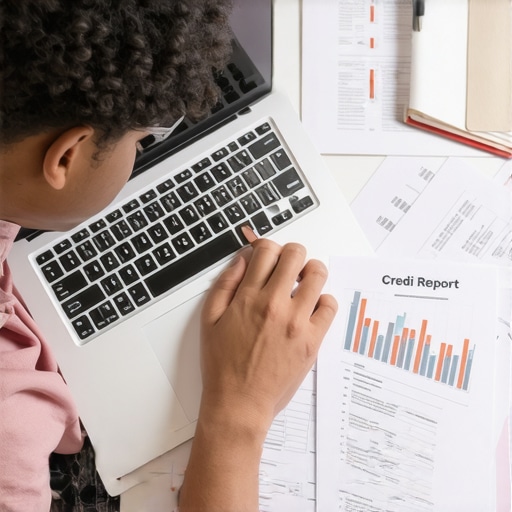
Ever felt the sinking feeling of checking your credit report only to see that your score has taken a nosedive? I remember the exact moment I saw my credit score drop by over 50 points overnight. It felt like a punch in the gut. My heart raced as I wondered how I could turn this around without drowning in more debt or waiting years for things to improve.
Why a Small Secured Loan Might Be Your Best Bet to Rebuild Credit
If you’re like I was, feeling stuck and unsure about how to repair a damaged credit score, you’re not alone. The good news is, there’s a strategy that can help you bounce back faster, and it starts with a small secured loan. Unlike unsecured loans, secured loans are backed by collateral, making them less risky for lenders and easier for you to qualify for. When used wisely, they can be a game-changer for boosting your credit profile.
Here’s the key: by taking out a small secured loan and making consistent, on-time payments, you can demonstrate to credit bureaus that you’re a responsible borrower. Over time, this positive behavior can improve your payment history and credit mix—two critical factors in your score. Plus, some lenders even report positive payment activity to all three major credit bureaus, giving you an immediate boost.
In fact, according to a study by FICO, improving your payment history can increase your score by over 100 points within just a few months if managed correctly. That’s the kind of rapid progress many people need when their credit is in the danger zone. Of course, this approach isn’t without its caveats. You have to be disciplined and avoid falling into new debt traps. But with the right plan, it can be a powerful step toward a healthier credit future. Want to learn the ins and outs of using secured loans for credit building? Check out [this guide](https://counselcredits.com/building-credit-from-scratch-what-you-need-to-know-in-2025) for more detailed strategies.
Choose the Right Secured Loan
Start by researching lenders that offer small secured loans backed by collateral like savings accounts or certificates of deposit (CDs). Look for those with reporting practices that include positive payment history to credit bureaus, which can accelerate your score improvement. Once you’ve identified potential lenders, compare interest rates, loan terms, and fees to ensure you’re making a cost-effective choice. Applying is straightforward: prepare your financial documents, like proof of income and existing collateral, and complete the application carefully to avoid unnecessary hard inquiries that could temporarily ding your score.
Open a Dedicated Payment Account
Before taking out the loan, establish a dedicated bank account for loan payments. This helps you keep payments separate from everyday expenses and creates a clear record for your credit activity. Link this account to automatic payments or set reminders to make consistent, on-time payments throughout the loan term. When I first did this, I set up automatic transfers and used calendar alerts—initially messy, but it ingrained good habits that led to timely payments and a slow but steady score boost.
Make Consistent, Timely Payments
Payment history is the foundation of credit scores. Treat your secured loan like a monthly bill that must be paid on or before the due date. Avoid missing payments or paying late, as this can undo progress. Think of it like mowing your lawn regularly: neglect leads to overgrowth, but consistent effort keeps everything tidy and healthy. Each on-time payment demonstrates responsibility, which credit bureaus notice, especially if lenders report this activity to all three bureaus. Remember, even small payments count—don’t underestimate their impact on your credit profile.
Monitor Your Credit Regularly
Use free credit monitoring tools to track your score and report changes. This allows you to see the real-time effects of your payment discipline and adjust as needed. Consider reviewing your credit report at least once every three months to verify that your payments are being reported correctly and to identify any inaccuracies or signs of fraud. In my experience, catching errors early prevented unnecessary damage and reinforced the importance of vigilance in credit rebuilding.
Gradually Increase Your Credit Mix
As your credit score improves, diversify your credit portfolio by adding other responsible accounts, like a small credit card or a retail store card. This variety enhances your credit mix, another resonant factor in scoring models. Be cautious: only apply for new credit when you’re confident in maintaining timely payments, and avoid applying for multiple accounts within a short period, which can temporarily lower your score. Think of it as adding new spices to a recipe—you want to do it gradually to get just the right flavor.
Stay Disciplined and Avoid New Debt Recent
The key to sustained growth is discipline. Resist the urge to take on more debt, especially if it jeopardizes your repayment track record. Remember, credit rebuilding is a marathon, not a sprint. Regularly revisit your financial goals and adjust your spending habits accordingly. Learning to manage your existing debt effectively is crucial—consider strategies like [smart debt management practices](https://counselcredits.com/smart-debt-management-practices-for-maintaining-financial-health) to keep your finances on track. After my messy start with missed payments, I realized that consistency, not speed, is what rebuilds credit reliably.
< >Many people believe that credit counseling or debt management programs instantly transform their financial health, but the reality is far more nuanced. A common misconception is that these services are quick fixes, when in fact, they require disciplined effort and a deep understanding of how credit scores truly work. For example, some assume that paying off all debts immediately automatically boosts credit scores, but without strategic timing and choosing the right accounts to pay down, you might miss out on the maximum benefits.
Another myth is that disputing every negative item on your credit report will always lead to improvements. However, experts have shown that frivolous disputes can result in account closures or further damage if not done carefully. In fact, a study by credit repair experts emphasizes that targeted, strategic disputes are more effective than broad, haphazard ones.
What advanced mistakes do most people make when trying to rebuild credit?
One critical error is neglecting the impact of credit mix and length of credit history. Many focus solely on paying down debts but forget that diversifying your credit types and maintaining older accounts can significantly influence your score. For example, opening a responsible secured card can help improve credit mix, but opening too many accounts at once can backfire, temporarily lowering your score—a nuance often overlooked. Moreover, rushing to close old credit accounts, thinking it will improve your score by reducing debt, can actually shorten your credit history and decrease your score. This is a subtle but impactful mistake that experienced borrowers avoid. To navigate these complexities, consider integrating strategic planning with your credit rebuilding efforts; resources like mastering proven strategies can guide you through the intricacies.
It’s also vital to recognize that improving your credit is a gradual process. Many believe that a single payment or dispute can instantly boost scores, but progress is often incremental unless you implement consistent, well-informed actions over time. Regularly monitoring your credit report helps you identify subtle changes and avoid pitfalls, such as unintentional credit inquiries or missed payments that can undo months of effort. Remember, learning the nuances and avoiding common pitfalls are key to truly strengthening your financial profile. Have you ever fallen into this trap? Let me know in the comments.
Maintaining Your Credit Strategies Over Time
Staying on top of your credit health requires reliable tools and disciplined habits. One of my go-to options is using Credit Karma, not just for free score updates but for detailed reports on factors affecting your score. I personally check my dashboard weekly to spot any sudden changes, especially after applying for new credit or making payments. Additionally, Experian’s Credit Works offers a comprehensive credit report with alerts on new inquiries or changes, helping me quickly address anything unusual. These platforms save me hours compared to manual checking and provide actionable insights, turning complex data into understandable steps.
For managing ongoing payments, I rely heavily on automatic bank transfers. I set up recurring payments directly from my savings account to pay down secured loans or credit cards. Automating not only reduces human error but also ensures timely payments—something I’ve learned is critical, especially when trying to improve your credit score efficiently.
Future Trends in Credit Maintenance
With advancements in AI and data analytics, I predict credit monitoring tools will become even smarter. Expect platforms to offer personalized advice, predictive alerts for potential score dips, and integration with financial planning apps. Incorporating smart credit counseling features directly into these tools will empower users to proactively manage their credit health and avoid preventable setbacks.
How do I keep my credit in top shape for the long haul?
Consistency is key. Regularly reviewing your credit reports, setting up automated payments, and diversifying your credit mix are crucial. Personally, I schedule monthly check-ins with my credit monitoring platform, ensuring I catch issues early. Integrating these habits with tools like proven strategies for credit building helps me maintain steady progress. Additionally, I put a reminder on my calendar to reassess my credit goals quarterly, adjusting my approach as needed to stay aligned with my financial objectives. Such disciplined routines are, in my experience, the most effective way to keep your credit building momentum alive over the long term. Ready to take your credit maintenance to the next level? Try setting up automatic payments and routinely reviewing your reports to catch and correct errors before they impact your score.
How I Realized Less Isn’t Always More in Debt Management
Initially, I thought reducing all my debts to zero was the golden rule, but I soon learned that maintaining old, responsible credit accounts can actually help your score. Closing older accounts might seem like a good idea, but it shortens your credit history—a subtle mistake that can backfire. Learning this shifted my strategy from perfection to long-term growth, emphasizing the importance of balance.
The Surprising Power of Patience Over Speed
One quick fix can be tempting, but I discovered that consistent, disciplined efforts over time build stronger, more resilient credit than rushing to pay debts off or dispute every negative item. Cultivating patience allowed me to see tangible improvements without risking setbacks from impulsive decisions, reaffirming that steady progress often wins the race.
What Almost Everyone Overlooks About Credit Mix
Adding variety to your credit profile—like responsibly managing a secured card alongside loans—can significantly boost your score. I initially focused only on payments but learned that thoughtfully diversifying credit types, without overextending, creates a healthier credit footprint. This nuanced approach helped me avoid common pitfalls of applying for too many new lines at once.
My Secret Weapon for Staying on Track
Automating payments and setting regular credit checks became my backbone for maintaining momentum. I found that reliable routines—like automatic transfers—eliminate the stress of remembering due dates and prevent late payments. Regularly reviewing my credit report wasn’t just about monitoring; it was about learning what truly influences my score and adjusting my habits accordingly.
Where Your Credit Journey Can Take You
Imagine a future where your credit empowers you to achieve major life goals—homes, cars, or starting a business. The key is embracing a long-term mindset, informed by the lessons I’ve shared. As technology advances, I believe tools will become smarter, offering personalized strategies. Now’s the time to harness disciplined habits and forward-thinking resources—like those found at this in-depth guide—to transform your credit story and unlock new possibilities.
Your Next Step Toward Financial Confidence
Remember, building credit isn’t about quick wins but constructing a solid foundation through smart decisions and disciplined habits. With the right approach and tools, you can turn setbacks into setups for success. Don’t wait for perfect conditions—start today with informed actions that pave the way for a brighter financial future. Are you ready to take control of your credit journey and make lasting change?