How Utilization Ratios Are Actually Calculated
Have you ever checked your credit report, only to see that your score hasn’t budged even after paying down your credit cards? I remember the frustration — the feeling that no matter how much I paid, my credit seemed stuck in place. That lightbulb moment hit me hard when I realized I didn’t truly understand how utilization ratios are calculated and how they influence my score. It wasn’t enough to simply pay more; I needed a strategic approach rooted in the real workings of credit scoring.
Why Understanding Utilization Ratios Can Make or Break Your Credit Goals
In my journey to improve my financial standing, I discovered that my credit utilization ratio is one of the most powerful factors affecting my score — yet it’s often misunderstood. This ratio isn’t just about how much you owe; it’s about how the credit bureaus see your borrowing habits. A high utilization ratio can signal risk to lenders, even if your overall debt isn’t overwhelming. Conversely, keeping this ratio low can boost your score and open doors to better interest rates and loan approvals.
Is Your Credit Utilization Strategy Really Worth the Effort?
Early on, I made a common mistake: I thought paying off one credit card entirely meant my score would improve immediately. Turns out, that’s not always the case. The scoring models often weigh your balances across all accounts to determine your ratio. I learned that a single payment doesn’t move the needle unless you understand how utilization is actually calculated. This revelation was crucial for my credit-building efforts. If you’re wondering how to leverage this knowledge effectively, I’ve got some practical tips coming up. Want to dive deeper? Visit this guide to smarter debt management strategies that helped me turn things around.
Identify Your Current Utilization Rate
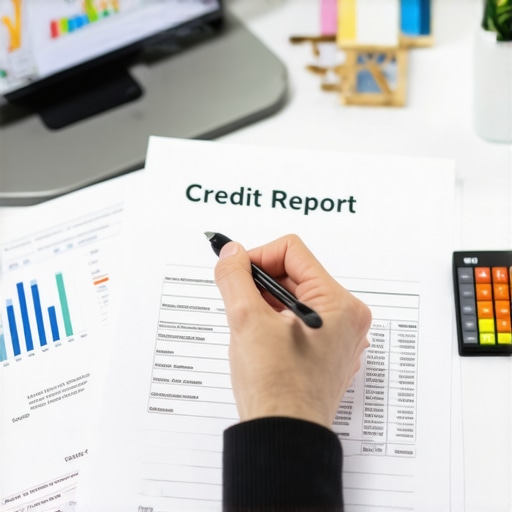
Start by pulling your latest credit report to see your balances across all accounts. Use a calculator or spreadsheet to add up your total credit limits and balances, then divide total debt by total credit available. This gives you your current utilization ratio. For example, if you owe $3,000 on a total limit of $10,000, your utilization is 30%. Knowing your baseline helps you set realistic improvement goals.
Create a Payment Strategy
Prioritize paying down high-balance accounts first, especially those nearing 30% utilization. For instance, if a card has a $2,000 limit and a $600 balance, aim to reduce it below $600 to lower your utilization. Make extra payments if possible, ideally before your statement closing date. Automate payments or set reminders to ensure consistency, which signals responsible borrowing behavior to lenders.
Distribute Your Payments Smartly
Rather than paying just one card, consider spreading payments across multiple accounts. This approach keeps your overall utilization low and prevents any one card from hitting a high percentage. For example, if you have three cards with similar limits, pay down each to keep all balances under 30%. This tactic improves your credit mix and scoring potential.
Use Balance Transfers Wisely
If you have high-interest debt, transferring balances to a card with a lower rate can reduce interest and help you pay down balances faster. However, watch out for transfer fees and introductory rates that expire. Be disciplined to pay off transferred balances before the promotional period ends. This method can significantly lower your utilization if managed properly.
Keep Old Accounts Active
Closing old credit accounts can shorten your credit history and increase your utilization ratio. Instead, use them occasionally for small purchases and pay them off promptly to maintain their active status. For example, buy a small item once a few months on a seldom-used card. This demonstrates to credit bureaus that you manage long-standing accounts responsibly, boosting your score.
Plan Major Purchases and Credit Applications
Time big expenses and applications strategically. Avoid opening new accounts right before applying for a mortgage or auto loan, as multiple inquiries and increased available credit can temporarily impact your score. Instead, consolidate your efforts during periods of financial stability, paying down balances beforehand to bring your utilization ratio below 30%.
Monitor Your Progress Regularly
Set up free alerts or check your credit report periodically to track changes. If you notice balances creeping up, adjust your payments accordingly. Consistent monitoring keeps you aware of your credit health and helps reinforce positive habits. Use this feedback to tweak your strategy and maintain a low utilization ratio over time.
Remember, improving your credit utilization is a marathon, not a sprint. Each step, from paying down balances to managing credit limits wisely, compounds with time to elevate your score. For more advanced techniques on building a robust credit profile, explore smart debt management strategies or dive into tried-and-true credit-building methods. Mastering these steps will turn your credit report from a source of anxiety into a powerful asset for your financial future.Many people believe that enrolling in credit counseling or debt management programs guarantees quick improvement of their credit scores. However, this common myth overlooks critical nuances that can make or break your financial progress. For instance, some assume that consolidating debt automatically results in higher scores, but without strategic planning, it might temporarily lower your credit due to new inquiries or increased length of credit utilization. Understanding these advanced subtleties is essential to avoid costly mistakes, such as repeatedly opening new accounts to ‘boost’ your score—which can backfire by signaling increased risk to lenders.
One frequently overlooked trap is the impact of account age on your credit profile. Closing old accounts might seem like a good idea to reduce available credit, but in reality, it shortens your credit history, adversely affecting your score. Moreover, many think that paying off debt simplifies matters, but if done improperly, it can result in a spike in overall utilization ratios or trigger delinquencies on certain accounts. Therefore, devising a repayment strategy that preserves credit age and optimizes utilization is vital.
**How can advanced credit repair techniques accelerate your progress without risking setbacks?** This question is crucial for those aiming for a robust, long-term credit profile. Experts suggest that disputing outdated or inaccurate information is only part of the process; proactive management of your credit mix and understanding how different actions influence your credit score nuances are equally important. For example, regularly monitoring your credit report and planning inquiries carefully can prevent unnecessary score dips. To see comprehensive strategies tailored for a more effective approach, check out effective credit repair techniques.
Beware of scams that promise fast fixes or inflate the importance of certain tactics, such as frequent credit inquiries or account closures. The Federal Trade Commission warns that such strategies can often do more harm than good, especially if not aligned with your overall credit profile. Instead, focus on steady, disciplined financial habits and leverage proven methods like maintaining a healthy credit mix, paying bills on time, and strategic debt reduction. For ongoing insights into avoiding common pitfalls, visit credit counseling insights.
Remember, the path to improving your credit isn’t about shortcuts but about nuanced understanding and strategic actions. Have you ever fallen into this trap? Let me know in the comments.
Keeping it working: Essential tools I recommend
Over years of managing my credit health, I’ve found that leveraging the right tools makes a significant difference in sustaining progress. One software I personally rely on is Credit Karma, not just for monitoring my credit score but for detailed insights into my credit report. Its real-time alerts help me catch any unfamiliar activity immediately, preventing potential damage. Additionally, I use a spreadsheet dedicated to tracking my balances and payment dates, ensuring I stay within my utilization goals and avoid late payments which can swiftly undo my efforts.
For automating payments, I turn to my bank’s bill pay system—set it once, and forget it. This minimizes missed payments and maintains a positive payment history, one of the key pillars in credit building. I also integrate a budgeting app like EveryDollar, which helps me allocate funds specifically for debt repayment. This disciplined approach ensures my debt reduction efforts are consistent and scalable as my financial situation improves.
Looking ahead, I believe that automation and data-driven insights will become even more integrated into personal finance. AI-powered tools might predict the impact of new inquiries or credit line adjustments before they happen, allowing me to make smarter decisions proactively. Staying informed about these trends helps me stay ahead in my credit management game.
How do I maintain long-term credit health?
The secret lies in continuous monitoring and strategic adjustments. Regularly reviewing my credit report through reputable services, such as the one provided by credit counseling resources, helps me identify any anomalies early. I also schedule quarterly reviews of my financial habits, ensuring I adjust my spending and repayment plans as needed. Implementing an annual check-up, similar to a medical exam but for your credit report, keeps your progress on track.
Don’t forget the importance of maintaining older accounts, which boosts your credit history length. Small, recurring charges on these accounts—like utility bills paid on time—further demonstrate responsible management. To simplify this, I set up automatic payments for my utility bills and recurring subscriptions, minimizing manual tasks and the chance of forgetting.
If you’re aiming for deep, sustainable growth, consider exploring advanced credit-building strategies tailored to your evolving situation. By continuously leveraging specialized tools and disciplined routines, you’ll ensure that your credit health remains robust over the long term.
For example, try implementing automated alerts for when your balances approach 30% utilization. This proactive step can prevent unintentional spikes and keep your credit score stable or improving. Remember, the key to lasting success is consistency combined with smart technology—making your credit work for you, even when you’re not actively thinking about it.
The Hardest Lesson I Learned About credit counseling,debt management,credit repair,credit building
The biggest breakthrough in my credit journey came when I realized that not all financial advice applies equally. What works for one person might not suit another, especially if you’re unaware of the subtle influences on your score. I discovered that maintaining a healthy credit mix and smartly timing inquiries could make a significant difference — lessons that aren’t always highlighted in generic guides.
3 Myths About credit counseling,debt management,credit repair,credit building That Held Me Back
One damaging misconception was that closing old accounts would instantly improve my score. In reality, it shortened my credit history, working against me. Another myth was that debt consolidation always boosts credit scores; without proper planning, it can sometimes cause temporary dips. Recognizing these myths helped me develop smarter strategies tailored to real-world credit mechanics.
What Experts Won’t Tell You About credit counseling,debt management,credit repair,credit building
Experts often emphasize paying bills on time but overlook the significance of your credit utilization ratio’s timing and distribution across accounts. For instance, spreading payments so all accounts stay below 30% utilization can unlock more score improvements than just paying down a single high-balance card. These nuanced tactics can be the difference between steady growth and stagnation.
My Essential Toolkit for credit counseling,debt management,credit repair,credit building
I rely heavily on Credit Karma for accurate monitoring and alerts, which help me stay proactive. My spreadsheet tracks balances and payment dates, ensuring I don’t accidentally spike my utilization. Additionally, automating payments through my bank minimizes late payments so crucial to maintaining a strong credit profile. Using these tools keeps my credit health on track effortlessly.
Where to Go from Here
If you’re ready to take your credit journey further, consider exploring advanced credit-building strategies designed for sustained growth. Regularly reviewing your report and leveraging the right resources can transform your financial future from uncertain to confident. Remember, mastery over your credit is a continuous process that rewards disciplined habits and strategic planning.
Your Turn to Take Control
Implementing these insider secrets can seem daunting at first, but every small step compounds over time. Are you ready to challenge your current credit habits and unlock the financial opportunities waiting for you? Share your biggest concern or success story below — I’d love to hear how you’re progressing on your credit-building path.
,