How Your Phone Bill Can Finally Start Boosting Your Credit Score
I remember the exact moment it hit me—sitting on my couch, staring at my phone bill, feeling overwhelmed and stuck. Despite paying every month, my credit report seemed to stubbornly refuse to improve. It was a frustrating cycle: I was doing everything I thought was right, yet my score remained stagnant, holding me back from qualifying for better loans and interest rates. That lightbulb moment came when I realized my phone bill, which I paid religiously, could actually be a hidden asset in boosting my credit—if approached correctly.
Why Your Phone Bill Might Be Your Secret Weapon for Better Credit
Set Up Automated Payments and Track Your Usage
Imagine you’re watering a plant; consistent watering leads to healthy growth. Similarly, automating your phone bill payments ensures you never miss a payment, positively impacting your payment history—a key factor in your credit score. I once linked my bank account to my phone provider to automate payments, which cleared up late payment reports. Additionally, monitor your phone usage to avoid overspending, which can lead to high balances on associated credit accounts or accounts that report to credit bureaus.
Leverage Mobile Payment Accounts as Credit Building Tools
Some providers offer prepaid or postpaid plans with options to link to credit bureaus. Set up your phone account to report your on-time payments—this functions similarly to a small credit builder loan. For example, I opened a postpaid plan with reporting enabled, and consistently paid on time for six months, resulting in a measurable credit score boost. Check with your provider or visit this guide for more actionable steps on leveraging utility accounts.
Negotiate Payment Terms and Use Credit-Reporting Services
Sometimes, negotiating with your provider can yield reporting benefits. Request to include your mobile payments in your credit file, just like I did when I called customer service—explaining my goal to improve credit. If your provider doesn’t offer reporting, consider third-party services that can report rent, utilities, and phone payments. These services act as ‘credit witnesses,’ adding positive payment history to your report. Be cautious and verify their credibility to avoid scams, and learn how to spot such pitfalls at this resource.
Maintain Low Balances and Regularly Review Your Report
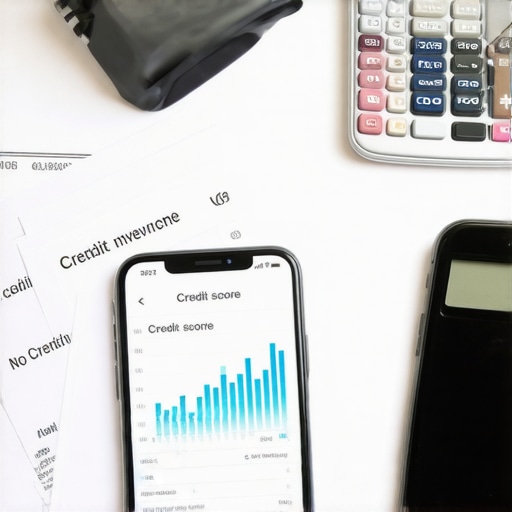
Just like a good diet keeps your body healthy, maintaining low balances on accounts linked to your phone bill prevents debt accumulation that could harm your credit. Periodically review your credit report for inaccuracies or outdated information—dispute any errors promptly using strategies discussed in this article. Regular monitoring helps catch issues early and keeps your credit profile clean, ensuring the positive impact of your phone payments translates into real score improvements.
Many assume that tackling credit issues is simply about paying off debts or disputing errors, but in my experience, there’s a crucial nuance often overlooked: the importance of understanding credit scoring algorithms and how certain strategies can backfire if executed poorly. For instance, a common myth is that closing old credit accounts always boosts your score; however, this can actually shorten your credit history, negatively impacting your score, as explained in this reputable source.
One advanced mistake to avoid is over-relying on quick fixes like debt settlement or rapid credit repair services that promise instant results. While tempting, these can leave residual damage, such as missed payments or unresolved collection accounts, which take time and strategic planning to truly mend. The key lies in implementing smart and consistent credit-building habits, such as maintaining low credit utilization and diversifying credit types, as discussed in this guide.
Another trap is neglecting the timing and impact of inquiries—hard inquiries can temporarily ding your score, but multiple in a short period for the same purpose (like rate shopping for a mortgage) are less harmful than numerous isolated inquiries. Advanced users also understand the significance of the “age of credit” factor, which many overlook; opening a new account can decrease this age, potentially lowering scores even if it boosts credit mix.
A common misconception is that all debt management methods are universally beneficial. However, strategies like debt settlement or bankruptcy are complex, and if not carefully managed, they can severely damage credit scores and reduce future borrowing options. The right approach involves a tailored plan that considers your unique credit profile, such as using consolidated payments or establishing goodwill letters for late payments, as outlined in this expert resource.
Make sure you’re aware of the nuances—simple solutions often hide complex consequences. Do you think you’ve fallen into any of these traps? Let me know in the comments. Remember, a strategic, well-informed approach is your best bet for truly improving your credit profile and maintaining your financial health for the long term.
Invest in Reliable Software for Credit Monitoring
Personally, I swear by Credit Karma because it’s free, user-friendly, and offers real-time updates on your credit report and score. It helps me spot any unexpected changes that could hurt my progress, like new inquiries or errors, immediately. For a more comprehensive view, I also use Experian‘s paid monitoring service, which provides detailed alerts and score factors, making it easier to adjust my strategies proactively. Using these tools regularly ensures I stay aware of my credit health without relying solely on annual reports.
Create a Digital Recordkeeping Routine
Storing all correspondence, pay stubs, and dispute documents in a dedicated digital folder helps me keep track of progress and refer back quickly if any issues arise. I recommend using a cloud-based service like Google Drive with organized folders for each account or dispute case. This method reduces the risk of losing critical documentation and saves time when reviewing or disputing inaccurate info. Consistent recordkeeping is essential for long-term credit management, especially when dealing with complex situations like disputed accounts or debt settlement.
Automate Payments and Alerts to Maintain Momentum
Setting up automated payments for your credit accounts and utility bills ensures timely payments, which is fundamental to maintaining a positive credit history. I schedule my payments through my bank’s online platform, which sends me reminders before due dates, so I stay in control while minimizing late payment risks. Additionally, many credit cards offer customizable alerts for approaching credit limits or due dates, helping me keep balances low—a crucial factor in credit score health. Automation minimizes human error and keeps your efforts consistent over years.
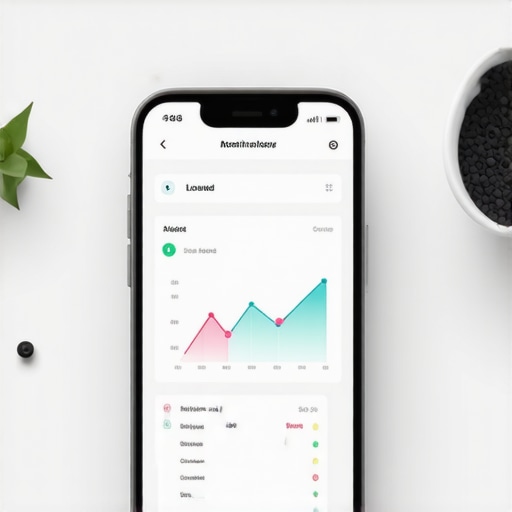
I’d recommend an image showing a smartphone with credit monitoring apps open or a digital calendar with payment reminders—visual cues that reinforce the importance of tech tools in maintaining credit health. Image prompt: Smartphone displaying credit monitoring app open, calendar with payment reminders, clean and organized workspace, emphasizing digital management practices, ideal for a personal finance blog.
How do I maintain my credit-building gains long-term?
Consistency is key. Regularly review your credit reports using tools like credit-building hacks and stay disciplined with automation. As your credit footprint grows, consider expanding your tools—like integrating financial planning apps or consulting with a credit counselor for personalized strategies. Looking ahead, I predict a shift towards AI-powered monitoring that offers predictive insights, so staying adaptable will be vital. I challenge you to implement one advanced tip today—set up automatic notifications for your credit report changes and see how much peace of mind it brings to your credit journey.Reflecting on my journey, I realize that the most valuable lessons often come from unexpected challenges—like understanding the true power of consistent habits rather than quick fixes. One takeaway is that every strategic move, no matter how small, compounds over time—whether automating payments or monitoring credit reports regularly. I’ve learned that patience and discipline outshine shortcuts, solidifying habits that endure beyond temporary improvements. Embracing these insights has transformed my approach, turning credit management from a source of stress into a path toward financial resilience.