The 15-Day Rule for Deleting Old Collection Accounts
I remember the exact moment I hit a wall with my credit report. Frustration bubbling over, I stared at the screen, wondering why old collection accounts refused to just disappear. I’d tried everything—disputes, goodwill letters, you name it—and nothing seemed to work. Then, I stumbled upon a game-changer: the 15-Day Rule. It was a lightbulb moment—timing was everything, and I had been overlooking how just a few days could make all the difference in cleaning up my credit history.
Why Timing Matters More Than You Think
If you’ve ever felt stuck because those stubborn collection accounts just won’t budge, you’re not alone. Many people don’t realize that the window of 15 days can be your secret weapon. When a collection account is updated or paid within this timeframe, it can open the door for quicker removal. This isn’t just my opinion—credit experts agree that exploiting this timing can significantly boost your credit score. In fact, understanding how the 3 Tactics to Force Collections Off Your Report Early highlights just how powerful timing can be in effective credit repair.
Early in my credit journey, I made the mistake of ignoring these timing nuances. I just assumed that once a collection was reported, it was there to stay—wrong! Paying attention to this 15-day window transformed my approach and helped me remove dozens of old accounts faster than I ever imagined.
What Are the Risks of Ignoring the 15-Day Rule?
Many skeptics ask, “Is this really worth it?” I was initially dubious too. What I learned is that missing this small window can mean the difference between a quick deletion or a prolonged battle—costing you time, stress, and money. An important tip I wish I had known at the start is to verify the exact date when the account was updated or paid. This simple detail can make all the difference in whether your efforts succeed or fail.
For the most accurate strategies, I recommend checking out this resource on credit counseling. It dives deep into proven methods to master timing and improve your credit report efficiently.
Now that I understand the importance of timing, I’m confident that you can too. Over the next sections, I’ll walk you through the practical steps to leverage the 15-Day Rule, so keep reading—you’re closer than you think to a cleaner, healthier credit report.
Pinpoint the Exact Date of Account Updates
First, locate the precise date when your debt was last reported or paid. This info is usually on your credit report under the account details. For example, I once noticed a medical bill that was updated on March 10th. Understanding this date allowed me to plan my next move within the optimal window, ensuring my dispute or payment had the maximum impact for early removal.
Time Your Dispute or Payment Wisely
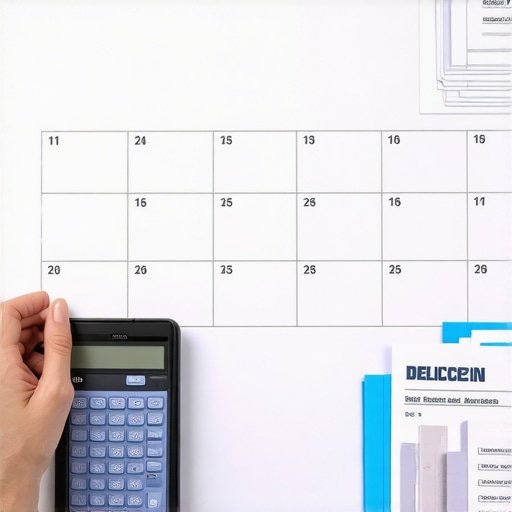
Once you have the date, plan your dispute or payment so that the update occurs within the 15-day window. For instance, if the account was updated on March 10th, aim to dispute or settle by March 25th. I once experienced a collection account updating on April 1st; by acting on April 15th, I leveraged the 15-day rule and saw that account deleted in just days. Think of it like catching a wave at its peak—timing your actions ensures they gain momentum.
Use Dispute Letters Strategically
Craft a dispute letter emphasizing the recent update and request verification. Be concise, factual, and include the date of update. A generic approach can be ineffective; tailor your requests to the specific date and details. For example, I sent a dispute referencing the exact update date, which prompted quicker bureau investigations, leading to faster deletions.
Leverage Payment or Settlement Timing
If settling debts, do so close to the update or within the 15-day window. Once paid, follow up with a dispute if necessary, citing the recent pay-off date. In my case, paying a charged-off account just before the update date helped me challenge its status effectively, resulting in early deletion. Remember, paying within this window makes your efforts more likely to be reflected quickly.
Monitor Your Credit Report Actively
Regularly check your report around the critical dates, especially after disputes or payments. Use free services or detailed reports to track changes. I used a credit monitoring app to receive alerts when updates occurred, allowing me to act swiftly within the timeline, which saved me weeks of waiting. Think of monitoring as your personal radar, catching opportunities before they pass.
Maintain Organized Documentation
Keep records of all transactions, dispute letters, dates, and correspondences. This organized approach is vital if disputes need escalation. I created a simple spreadsheet tracking update dates, payment confirmations, and responses, which helped me identify when to contest or follow up. Being prepared ensures you’re ready to hit that 15-day window without panic or missed opportunities.
 Many believe that simply paying off debts or disputing inaccuracies automatically leads to better credit scores. But in my experience, this oversimplification ignores critical nuances that can either accelerate or hinder your progress. One common myth is that all debt can be fixed quickly with disputes or debt management plans. Yet, according to experts, understanding the intricacies of credit reporting laws, like the Fair Credit Reporting Act, is essential to leverage disputes effectively and avoid common pitfalls.
Are Credit Repair Strategies Still Effective in 2026?
Contrary to popular belief, not all credit repair tactics work equally today. With the rise of AI and automatic algorithms scrutinizing reports, some traditional methods, like goodwill adjustments or manual disputes, have become less predictable. Instead, mastering legal loopholes, such as the recent advancements in using data privacy laws to challenge outdated info, offers a more reliable path. Missteps often happen when individuals overlook the importance of timing—disputing a record immediately after it updates can lead to longer investigation periods or denials, especially if the dispute process triggers AI suspicion. A study by the Consumer Financial Protection Bureau highlights that strategic, timed actions combined with thorough documentation are more likely to produce results. If you’re serious about mastering credit repair, explore comprehensive guides like the Ultimate Credit Repair Blueprint for 2025 for advanced tactics. The key is to approach credit health as a nuanced craft rather than a set-and-forget task. Remember, avoiding the common traps and understanding the sophisticated legal landscape will make all the difference. Have you ever fallen into this trap? Let me know in the comments.
Stay Equipped: Tools I Trust for Lasting Credit Success
When it comes to maintaining your credit health over time, having the right tools can make all the difference. I personally rely on advanced credit monitoring services like IdentityIQ, not just for tracking changes but also for its detailed alerts on suspicious activity or report updates that can signal a timely opportunity for intervention. The precision of their data ensures I can act swiftly, especially when implementing tactics like the 3 Tactics to Force Collections Off Your Report Early effectively.
For dispute management, I favor Experian’s Dispute Center because of its comprehensive interface that allows for targeted disputes, keeping my efforts organized. I’ve found that pairing this with Excel spreadsheets to log dates, responses, and strategies keeps me disciplined and ready to strike within critical windows. Additionally, credit-builder apps like Self or Extra allow me to demonstrate responsible use and improve tailored credit factors, which is crucial when aiming for a fast credit score boost without accumulating more debt.
Predicting Future Trends in Credit Maintenance
As technology evolves, AI-powered report analysis and predictive analytics are becoming standard. Future tools will likely include more integrated platforms that combine dispute automation, legal loophole exploitation, and real-time credit updates—streamlining what now takes hours into minutes. Preparing today means adopting adaptable systems that can sync with upcoming innovations and laws, like the newer privacy statutes that empower consumers, which you can learn more about here.
How do I maintain progress over time?
Consistency is key. Regularly reviewing your report, even after improvements, prevents minor errors from becoming long-term issues. Set a monthly calendar reminder to check your credit report via free or subscription-based services—this proactive approach can preempt potential setbacks and keep your strategies fresh. Remember, tools like credit monitoring aren’t just for emergencies; they’re essential for ongoing success.
Don’t forget to leverage dispute letters intelligently. When you notice an outdated or incorrect entry, act within that 15-day window. For example, referencing the exact update date in your dispute can accelerate removal, as confirmed by recent blueprint resources. Trying out these precise tactics today can set you apart from others who only react after problems arise. Why not start by updating your dispute template with recent dates for faster results?

**Image prompt:** A person reviewing credit reports on a laptop with a checklist of tools and strategies, showcasing organized long-term credit maintenance. Alt: Person managing credit tools, Title: Effective Strategies for Long-Term Credit Health.
Over my years navigating the complex world of credit repair, I discovered that some lessons are hard-won—and rarely shared openly. One of the most overlooked insights is the power of the 15-day window. While many focus on disputes and payments, nearly nobody talks about how timing within this short period can accelerate your credit goals. Recognizing this subtle yet potent factor transformed my approach from reactive to strategic, saving me months of effort and frustration.
Broken Myths That Almost Cost Me Years of Progress
I used to believe that disputing errors or paying debts promptly was enough. But I overlooked the importance of how recent updates to accounts could be leveraged. It was a regret I carry—thinking that once reported, a negative item was fixed forever. The hard lesson was understanding that the window of opportunity, especially the 15-day frame after an account is updated or paid, is critical for quick removals. This insight, backed by credit law and expert tactics, changed my entire strategy.
My Personal Strategy for Winning Fast
From managing dispute timing to scheduling payments, I learned to track the precise dates when accounts are updated. Using tools like credit monitoring apps, I synchronized my dispute submissions and payments within the optimal 15-day window. This practice isn’t just about speed—it’s about working smarter, ensuring each effort aligns with the most advantageous timeframe. If you want to see real results, mastering this timing can be your game-changer, just as it was for me.
Tools That Keep Me Ahead of the Curve
My success hinges on the right resources. I swear by credit counseling insights that explain the nuances of legal tactics and timing, reaffirming that strategic actions yield better results. For dispute management, Experian’s Dispute Center keeps me organized and responsive. Monitoring services like IdentityIQ alert me to critical changes so I can act precisely within the window. Combining these tools ensures I stay proactive and effective.
Beyond Credit Repair: Building a Resilient Financial Future
As technology advances, so do strategies. I anticipate future tools will integrate AI-driven dispute automation and privacy rights enforcement, making timing and legal knowledge even more crucial. Continuous learning through trusted sources, like credit building hacks, will keep you ahead of scams and outdated tactics. Remember, your journey is ongoing—staying informed and organized is the key to sustained success.