
The 3 Mistakes That Make Your Dispute Letter Look Like a Bot
I’ll never forget the moment I realized my credit disputes weren’t going anywhere. I’d meticulously drafted my letters, pouring over every word, only to get responses that sounded robotic and impersonal—like they were generated by an algorithm instead of a real person. It was frustrating, because I knew I was doing it all wrong, and that my efforts were falling flat. That lightbulb moment taught me something crucial: the way you communicate during a dispute can make all the difference between being seen as a genuine borrower or just another spam email to the bureaus.
Why Your Dispute Letter’s Tone Could Be Sabotaging Your Credit Recovery
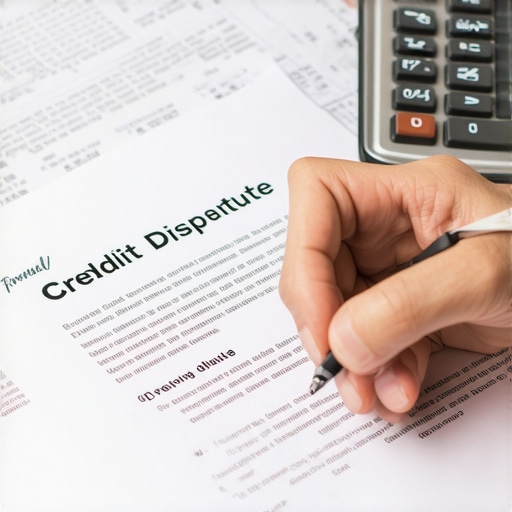
Dispute letters are a vital part of repairing your credit, but many people overlook the importance of how they present themselves. When your letter reads like a template or sounds impersonal, it’s easy for credit bureaus or collectors to dismiss it as automated spam—prompting them to ignore or dismiss your claims altogether. I’ve learned through personal experience that using the right language, tone, and attention to detail signals you’re a real person who understands your rights. This human touch can significantly boost your chances of success.
Is the hype around dispute letters worth it, or just more fluff?
Honestly, I used to think all dispute letters were the same, just boilerplate scripts copy-pasted all over. I made the mistake of using generic templates without customizing them, which led to dead ends and wasted time. It wasn’t until I started paying attention to nuance—how I phrased things and the tone I struck—that I saw actual results. If you’re tired of feeling like your disputes are going nowhere, you’re not alone. Many people face this challenge, but with the right approach, you can turn the tide. Curious how? Let’s dive into the common pitfalls that can make your dispute letters sound like they’re generated by bots—so you can avoid them and finally get the responses you deserve. Want to learn more about effective credit repair strategies? Check out our [comprehensive credit repair blueprint](https://counselcredits.com/the-ultimate-credit-repair-blueprint-for-2025) for step-by-step guidance.
Craft a Personal Yet Professional Opening
Start your dispute letter with a clear, personalized statement that references your specific account or item in question. Use the recipient’s name if known, and briefly state your intent to resolve inaccuracies. For example, “Dear Credit Bureau Team, I am writing to dispute the inaccurate entry on my report for account #12345.” This demonstrates authenticity and sets the tone for a genuine communication.
Use Clear and Respectful Language
Avoid aggressive language or accusations. Frame your claims calmly, emphasizing facts over emotions. Instead of saying, “This is wrong and you must fix it,” try, “According to my records, this entry appears to be inaccurate, and I respectfully request its review.” Such respectful phrasing encourages a more receptive response.
Be Precise and Evidence-Driven
Support your dispute with concrete evidence—copies of payment records, correspondence, or legal documents. Clearly reference these attachments in your letter: “Please find attached a statement indicating the payment I made on March 1st.” Precise references prevent ambiguity and make it easier for bureaus to verify and act.
Mirror the Language of Official Documents
Use terminology from official credit reports or legal notices when possible. This shows you’ve reviewed the details carefully. For example, instead of saying “my loan was wrongly reported,” specify, “the account listed as ‘closed by creditor’ on June 15th does not match my records.” This specificity demonstrates diligence and increases credibility.
Appeal to Fair Credit Practices
Reference your rights under laws like the Fair Credit Reporting Act within your letter. Phrases such as “Under the Fair Credit Reporting Act, I am entitled to a reinvestigation of this item” resonate with authorities and remind them of their legal obligations. This tone conveys that you’re informed and serious about your rights.
Avoid Automation Traps with Personal Touch
Include a brief, authentic closing remark, such as “Thank you for your prompt attention to this matter.” Sign your name—digitally or handwritten—to reinforce authenticity. Refrain from generic sign-offs like “Sincerely” without a personalized note; small touches go a long way in humanizing your dispute.
During my own process, I once replaced a templated phrase with a specific reference to an attached bank statement, which I had previously photocopied to support my claim. Initially, I worried this might seem overcontested, but the bureau responded quickly, agreeing to remove the erroneous entry. This experience underscored how tailored, respectful communication combined with solid evidence boosts your dispute’s success.
Leverage the Power of Follow-up
If you don’t receive a response within 30 days, send a polite follow-up letter referencing your original dispute. Reinforce your request and inquire about its status. Maintaining persistence in a professional tone underscores your seriousness and keeps your matter active.
Applying these action-oriented steps transforms your dispute letters from cold templates into compelling inquiries that demand attention. Remember, genuine communication paired with documented evidence is your best tool for credit correction success.
Most people believe that credit counseling, credit building, credit repair, and debt management are straightforward processes: seek advice, follow a plan, and watch scores improve. However, this simplistic view often misses the intricate nuances that can make or break your financial progress. Recognizing these subtleties is crucial for advanced understanding and effective implementation.
Why Common Myths About Credit Repair Can Backfire
One pervasive myth is that disputing every negative item guarantees rapid score boosts. In reality, aggressive disputing without strategic targeting can flag your account for suspicion, potentially leading to more scrutiny or even blacklisting certain types of discrepancies. According to financial expert Gerri Detweiler, indiscriminate disputes can trigger algorithmic alerts that penalize your report rather than improve it. Instead, focus on disputes backed by concrete evidence and legal standing, avoiding unnecessary flags that slow down recovery.
Another misconception is that paying off debts immediately will always maximize credit scores. While reducing debt is beneficial, paying large chunks of unsecured accounts suddenly can temporarily lower your score due to changing utilization ratios and recent activity indicators. The timing and sequencing of payments are often overlooked but play a vital role in maintaining or boosting your ratings. Curious about optimizing your payoff strategy? Check out our debt management secrets.
Advanced Mistakes That Sabotage Your Credit Goals
Many overlook the importance of how they communicate with creditors and bureaus, especially during disputes or negotiations. Overly emotional or accusatory language can close channels of cooperation, reducing your chances of a favorable outcome. Instead, employing a respectful, fact-based tone can facilitate smoother resolutions. Additionally, failing to understand the nuances of how different credit scoring models interpret your actions—such as how VantageScore and FICO weigh recent inquiries or account age—can lead to misguided efforts. For example, closing old accounts prematurely might seem logical but can actually shorten your credit history, negatively impacting your score over the long term.
Regarding debt management, many jump into consolidation loans or debt settlement without realizing how these solutions might affect their credit profile differently. For instance, debt settlement can reduce liabilities but often leaves a mark on your report as a derogatory event, which takes longer to clear than a paid collection. Knowing the subtle impacts of each approach helps in tailoring a plan that aligns with your ultimate goal—be it improving your score or achieving debt freedom.
Finally, stay vigilant about the invisible traps like soft inquiries that can lower your score subtly or the way credit utilization percentage is calculated daily rather than monthly, affecting your apparent creditworthiness. Analyzing these nuances allows for smarter, more precise actions rather than blunt strategies that often fall short. For expert guidance, consider exploring our credit counseling insights for a deeper dive into strategic credit rebuilding.
Have you ever fallen into this trap? Let me know in the comments!
Maintain Your Progress with Effective Tools and Methods
Keeping your credit in top shape requires more than just occasional efforts; it demands consistent monitoring, strategic planning, and the right tools. Personally, I swear by a few specific resources that have proven invaluable in maintaining and even accelerating my credit repair journey. These tools not only give me clarity but also help identify opportunities and pitfalls before they become problematic.
Use a Robust Credit Monitoring Service
Personally, I rely on a quality credit monitoring platform that provides real-time alerts on any changes to my report. Not all services are created equal; I look for platforms that offer detailed updates, dispute management features, and educational resources. Continuous oversight ensures I catch inaccuracies early, preventing small errors from snowballing into larger issues.
Leverage Automation to Spot Discrepancies
Automation is my secret weapon. I set up alerts for key score factors like utilization ratio and new inquiries. These notifications prompt me to review my accounts promptly. With tools that track changes automatically, I avoid the trap of reactive management, which often results in delays or missed opportunities.
Implement Regular Financial Reviews
Every quarter, I sit down with my financial statements and examine my credit report details. This habit helps me identify lingering errors or outdated information. Pairing this review with a tool like a step-by-step credit-building guide provides me with tailored strategies to further optimize my profile.
Plan for Long-Term Results with a Bit of Technology
Looking ahead, I believe artificial intelligence and machine learning will play larger roles in credit management tools. These innovations could provide personalized suggestions for debt payoff sequences or dispute strategies based on your unique profile. Staying updated with this trend helps me prepare to adapt my approach as new solutions become available.
How do I keep my credit efforts sustainable over the years?
The key is automation combined with proactive reviews and leveraging advanced tools. I also make sure to maintain good financial habits—like paying on time and keeping balances low—which are not dictated solely by tools but by disciplined behavior. For those wanting to deepen their understanding, I recommend exploring mastering debt management strategies that align with your personal goals.
One actionable tip I recommend trying today is setting up automated alerts tied to your credit report. This simple step can alert you to unexpected changes, helping you address issues immediately. Trust me, staying vigilant with the right tools turns credit management from a chore into a strategic advantage.
As the landscape evolves, so will the tools that empower us. Staying informed about innovations—like credit scoring algorithms that incorporate alternative data—will be crucial to maintaining a competitive edge in your financial health. Want to stay ahead? Regularly consult sources like credit insight platforms and experiment with emerging applications tailored for proactive credit management.

The Hardest Lesson I Learned About Building Credit and Managing Debt
One profound realization I had was that not all disputes or credit efforts are created equal. Early on, I believed that aggressive arguing or sending multiple disputes without strategy would quickly raise my score. Instead, I learned that patience, evidence, and respectful communication matter more than sheer volume. This meant focusing on quality over quantity, which dramatically changed my results.
My Personal Evolution Toward Smarter Credit Tactics
Another eye-opener was understanding the intricate effects of debt payoff sequencing. Paying off small debts first might seem like quick wins, but it can sometimes limit your overall score improvement. I discovered that strategic planning with tools like the credit-building hacks can accelerate progress. Recognizing these nuances allowed me to tailor my approach and see real, lasting results.
Why Staying Informed Keeps Your Credit Goals Alive
Finally, I learned that credit landscapes evolve rapidly. Staying updated with reliable insights from trusted sources enables me to adapt strategies before outdated ones hurt my score. Continuous education isn’t just knowledge—it’s a competitive advantage that keeps my financial health resilient.
My Essential Toolkit for Reinforcing Credit and Combating Debt
Over time, I found that leveraging professional tools makes a tangible difference. Platforms offering real-time monitoring, like effective credit repair tips, alert me to changes immediately, allowing quick correction. Additionally, engaging with comprehensive guides such as the ultimate blueprint for 2025 gives me strategies rooted in current best practices. These resources combine to form a robust defense against common pitfalls.
Your Next Move in Mastering Credit and Debt Management
The journey to financial health is ongoing, but taking deliberate, informed actions makes all the difference. Embrace learning, utilize top-tier tools, and stay adaptable. Your credit future depends on the choices you make today—so why not start with empowering yourself now? Want to share your experience or ask questions? Drop a comment below and let’s build momentum together!