The Best Way to Handle Old Debt That Is Past the Statute
Ever found yourself staring at an old collection notice or a credit report entry from years ago, wondering how it’s still haunting your financial records? I remember the lightbulb moment when I realized I was wasting precious energy and stress on debts that technically no longer held legal weight. It felt like carrying a backpack full of rocks—heavy, unnecessary, and holding me back from moving forward.
Why Is Old Debt Still a Big Deal?
Many people don’t realize that once a debt surpasses the statute of limitations, it doesn’t automatically vanish from your credit report. Instead, it remains visible, affecting your credit score and potentially causing anxiety during loan applications. But here’s the kicker: even if a debt is legally uncollectible, some unscrupulous debt collectors might still try to pressure you into paying. That’s why understanding the difference between legal enforceability and credit report entries is crucial.
In my early days of tackling debt, I made the mistake of assuming that once the statute expired, I could ignore the debts without repercussions. Turns out, ignoring them can sometimes leave a mark on your credit report, and collectors might still attempt to recover the debt through other means. An eye-opening statistic from the Consumer Financial Protection Bureau shows that many consumers are unaware of how these past debts influence their financial health, often leading to unnecessary stress and missed opportunities for genuine credit rebuilding.
Have You Faced This Problem?
If you’ve ever been troubled by an old debt that’s past the legal collection age but still shows up on your report, you’re not alone. This is a common dilemma, and there *are* effective ways to handle it. Today, I’m going to walk you through proven strategies that can help you navigate these tricky waters and regain control of your financial narrative.
But first, let’s clarify what it truly means for a debt to be past the statute of limitations—and why literally every person in this situation should know the difference. Ready? Let’s dive in.
Identify and Review Old Debts
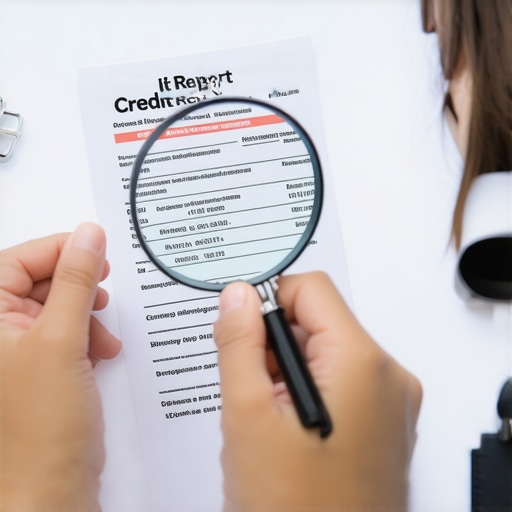
Begin by obtaining your free annual credit report from AnnualCreditReport.com. Carefully examine each entry, paying special attention to debts older than seven years. Use a highlighter or a digital note to mark debts that seem outdated or suspicious. When I faced a similar situation, I noticed an old medical bill from a previous employer that I thought was settled. Recognizing outdated entries was your first step toward rectifying the report.
Gather Evidence and Documentation
Collect any supporting documents such as payment receipts, bank statements, or settlement letters that prove your debt is paid or past the reporting date. Having concrete proof simplifies your dispute process. For example, I found a canceled check that showed I paid a debt years ago, which became my main evidence. This preparation is crucial because credit bureaus require proof to support any corrections or deletions.
File a Dispute with Credit Bureaus
Submit a formal dispute online via each credit bureau’s website—Equifax, TransUnion, and Experian—or through certified mail. Clearly specify the inaccurate entry, include your evidence, and request its removal or correction. Be concise but thorough. I used the Fair Credit Reporting Act to support my case, which is a powerful tool for challenging erroneous information.
Follow Up and Track Your Dispute
Once submitted, monitor the status of your dispute regularly. Credit bureaus typically have 30 days to investigate. Keep copies of all correspondence and notes on your interactions. During my experience, I tracked my dispute status online and followed up promptly when responses were delayed, ensuring a faster resolution.
Request Deletion or Correction
If the bureau finds your evidence credible, they will update or delete the entry. Confirm the change by obtaining a new copy of your credit report. If the dispute is denied, review the bureau’s reason, and consider escalating the matter or seeking professional advice from a credit counseling service like credit counseling secrets. In one case, I successfully challenged a six-year-old collection account, which then disappeared from my report—significantly boosting my credit score.
Stay Proactive with Your Credit
Regularly review your credit report to catch outdated or inaccurate information early. Implement habits of monitoring your credit using tools from credit-building hacks so your report remains clean. This proactive approach saves you from surprises and keeps your credit profile healthy, enabling you to access better financial opportunities.
Many individuals believe that paying off debts automatically boosts their credit scores, but in practice, the nuances are far more complex. A prevalent misconception is that closing old credit accounts always helps improve one’s credit profile; however, in many cases, maintaining longstanding accounts actually enhances creditworthiness due to the length of credit history. According to credit repair experts, misinterpreting this can lead to unintended score drops.
What advanced strategies do credit bureaus employ that consumers often overlook?
Beyond the basics, credit scoring models incorporate sophisticated algorithms that weigh account age, utilization ratios, and diverse credit types. For instance, diversifying your credit mix by responsibly managing different types of credit can significantly enhance your score, yet many focus solely on reducing total debt without considering optimal credit variety. In fact, mastering credit strategies involves understanding these subtle factors.
One trap many fall into is the belief that debt settlement improves credit, which isn’t always true. Settlements can damage your credit history’s integrity, leading to long-term score decreases. Instead, constructive methods like targeted debt repayment plans, guided by effective techniques discussed here, often yield better results.
Another misconception is that one-size-fits-all solutions, such as rapid credit repair kits, are reliable. These often neglect the importance of individual credit profiles and the importance of personalized strategies, as emphasized in recent studies. Adopting an informed approach involves understanding the unique factors influencing your credit, including age, account diversity, and individual financial behaviors.
In navigating debt management, beware of the so-called quick fixes—these can create more harm than good if not carefully managed. Effective debt management requires understanding your entire financial landscape and applying tailored tactics. According to debt management experts, proactive planning prevents future pitfalls and fosters sustainable financial health.
Have you ever fallen into this trap? Let me know in the comments.
By understanding these hidden nuances and avoiding common myths, you can make smarter decisions in your credit journey. For comprehensive guidance tailored to your situation, explore resources like credit counseling secrets or check out the ultimate blueprint for credit repair. Remember, your pathway to better credit is paved with understanding and strategic action, not shortcuts.
Keep the Momentum Alive with the Right Tools
Maintaining your credit health requires more than just good intentions; it demands reliable tools and consistent habits. One investment I personally swear by is credit monitoring software like Credit Karma. Its real-time alerts help me catch any suspicious activity or inaccuracies immediately, allowing me to dispute them proactively before they affect my score. I also use Excel spreadsheets to track my debt repayment progress—a habit that keeps me motivated and organized. Excel’s customizable templates, along with simple formulas, allow me to visualize my debt reduction over time, reinforcing my commitment to stay on course.
Beyond basic monitoring, personal finance apps like Mint offer integrated budgeting and expense tracking features that help me maintain controlled spending, which directly impacts my credit utilization ratio. By integrating these tools into my routine, I stay aware of my financial habits and can make adjustments on the fly. These choices are rooted in the understanding that technology streamlines the tedious parts of credit management, freeing more mental energy for strategic decisions. In the future, I predict that AI-driven financial advisory apps will become even smarter, offering personalized advice that adapts dynamically to your financial behaviors.
How do I keep my credit in shape over time?
The key is consistent monitoring and strategic action. Set calendar reminders to check your credit report every four to six months through smart debt management practices. Regular reviews help you spot lingering errors or outdated information early, preventing small issues from snowballing into bigger concerns. Additionally, consider setting up automated payments for existing accounts—this not only avoids late fees but also demonstrates reliable payment history, bolstering your credit profile.
Incorporate periodic reviews of your credit utilization, ensuring it remains below 30%. Tools like the credit-building hacks can assist in optimizing your credit mix and limits. Experimenting cautiously with new credit lines, especially secured cards, can also diversify your credit profile in a controlled manner. Remember, maintaining good credit is an ongoing process, not a one-time effort.
For advanced strategies, try periodically requesting a credit building consultation or exploring blueprints for long-term credit success. These resources guide you through tailored plans that adapt as your financial situation evolves, ensuring your credit remains robust over the years.

Implementing these tools and habits regularly can substantially increase your long-term credit stability. Remember, the goal is to keep your credit profile healthy, resilient, and adaptable to life’s surprises. Why not start today by automating your credit monitoring with a tool like Credit Karma, and see how quick wins can reinforce your ongoing efforts? Consistency and smart use of technology are your best allies in this journey.
Lessons That Changed My Approach to Credit Repair
- Not every old debt is worth obsessing over. I used to chase every outdated account, but I learned that focusing on recent, active debts yields better results and less stress.
- Disputing isn’t just about elimination. I discovered that providing precise evidence makes disputes more successful, turning my credit report into a tool, not a burden.
- Monitoring tools are game-changers. Regularly using credit monitoring apps kept me proactive, preventing small errors from snowballing into big setbacks.
- Debt management is personal, not one-size-fits-all. Understanding my unique financial situation led me to tailored strategies that truly worked, instead of generic quick fixes.
- Patience and consistency trump quick wins. Building good credit takes time, but with deliberate actions, I saw my credit health strengthen steadily.
My Top Picks for Boosting Credit Confidence
- Smart debt management practices remain fundamental. They provide a solid foundation for maintaining and improving credit health.
- Effective credit repair techniques helped me fix inaccuracies swiftly, giving my score the boost it needed.
- Blueprint for credit success offers comprehensive strategies tailored to evolving credit landscapes, essential for long-term health.
- Secrets from credit counseling provided personalized insights, often missing in generic advice, making my journey smoother.
Embrace the Power of Consistency and Awareness
Building and maintaining good credit isn’t a sprint; it’s a marathon. Regularly reviewing your credit report, leveraging trustworthy tools, and staying informed about your financial habits are vital. The real magic happens when you combine these habits with intentional actions, transforming your credit profile into a resilient asset. Remember, every small step you take today compounds into a future of financial freedom. So, why not start by automating your credit monitoring now and watch how transparency and proactive management propel you forward? Your credit-building journey is uniquely yours—make it count!
What’s one credit strategy you’re eager to implement this week? Drop your thoughts below and let’s grow together!