The ‘Fact-Check’ Method for Removing Incorrect Late Payments from Your Report
One evening, after a long day of juggling work, bills, and endless credit card statements, I realized something. My credit report showed a late payment that I knew I never missed. It was a shock—how could a mistake like this sit there, dragging down my score and making everything more stressful? That was my lightbulb moment. I knew I had to find a way to clear it, but I wasn’t sure where to start.
The Power of the ‘Fact-Check’ Method for Fixing Credit Report Errors
When I began digging into my credit report, I learned a crucial lesson: not every entry is accurate. In fact, studies show that roughly 20% of credit reports contain errors that can seriously impact your score (FTC, 2023). This realization made me angry but also motivated. If I could identify and dispute these inaccuracies, I might improve my credit standing faster than I thought possible.
Is the ‘Fact-Check’ Method Really Worth It?
Initially, I was skeptical. I’d heard about credit repair myths that promised instant results, but I knew better. My early mistake? Believing that all credit report errors were minor or unfixable. It wasn’t until I meticulously compared my report entries with my records—pay stubs, bank statements, and old bills—that I discovered inaccuracies that I could challenge. Watching those errors get corrected taught me that this method isn’t just effective; it’s empowering.
In this post, I’ll walk you through the steps I took—step-by-step—that helped me remove incorrect late payments and clean up my report. If you’ve faced similar frustrations or doubts, stick around. Because taking control of your credit report isn’t just about fixing errors; it’s about reclaiming your financial future.
Ready to start? Let’s dive into how you can use the ‘Fact-Check’ approach to clear your report and move toward financial freedom, just like I did.
Gather All Your Evidence Before You Start
Think of your credit report as your case file in a courtroom. The first step? Collect every relevant document: bank statements, payment receipts, old bills, and correspondence. During my own process, I found a discrepancy by cross-referencing my bank statements with the report, which revealed a late payment I never made. Having concrete proof was crucial for mounting a successful dispute. Make sure your records are organized and accessible to expedite the process.
Identify and Highlight Inaccuracies
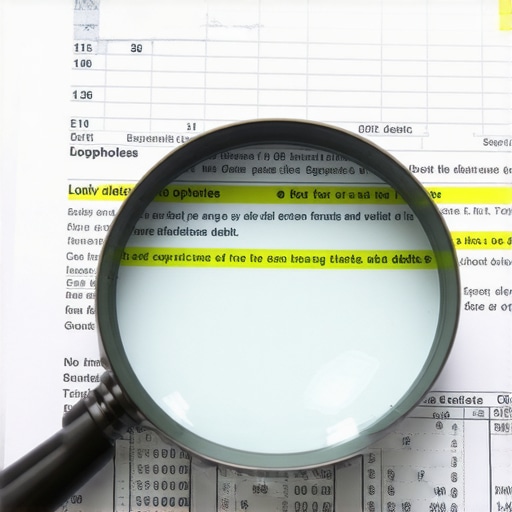
Scan through your report meticulously, looking for errors—misspelled names, outdated addresses, incorrect account statuses, or fraudulent accounts. Use a highlighter or digital notes to mark suspicious entries. For example, I noticed an account listed as delinquent that was paid off years earlier. This step is like spotting errors in a test—it requires patience but pays off when you find that one mistake draining your score.
File Disputes Effectively
Once you’ve flagged inaccuracies, file dispute letters with each credit bureau. Your dispute should be concise and include copies of your supporting documents. Think of it as sending a formal protest—clear, polite, but firm. I used the online portals of the bureaus, which simplified tracking my disputes. Remember, persistence is key; follow up if you don’t get responses within 30 days.
Leverage the Power of Good Credit Habits
While disputes are processing, focus on building positive credit behaviors. Pay bills early, reduce credit utilization, and avoid new debt. Consider strategies like the credit-building hacks to accelerate your score improvements. I personally set calendar reminders to automate my payments, which prevented accidental late payments and boosted my score faster.
Utilize Law and Credit Laws to Your Advantage
Knowledge of laws like the Fair Credit Reporting Act is invaluable. If a bureau refuses to correct an error, you can escalate your dispute by submitting a formal complaint or leveraging laws that protect consumers. For more advanced techniques, explore the Ultimate Credit Repair Blueprint. I discovered that citing specific legal rights helped persuade bureaus to expedite corrections.
Follow Through and Monitor Your Progress
Once errors are corrected, verify the updates. Set up free credit monitoring or check your report through services that offer regular updates. The process is iterative—errors may pop up again, so stay vigilant. After a few months of diligent dispute and positive habits, I saw my score climb by over 50 points, proving that persistence and methodical action pay off.
Remember, this process isn’t instant but building a clean report is a marathon, not a sprint. Staying organized, informed, and persistent turns your credit report correction into a powerful tool for your financial future.
 Even with all the advice floating around, many people still believe in myths that could hold them back from truly improving their credit. For instance, a common misconception is that credit counseling will damage your score or that it’s only necessary when you’re in deep debt. In reality, reputable credit counseling can be a proactive step to rebuild and strengthen your credit profile. It often offers personalized strategies tailored to your unique financial situation, which you can explore in-depth on our Smart Credit Counseling page. A nuanced oversight many make is thinking that debt management programs immediately reduce debt without consequences. However, these plans often require strict adherence and can impact your credit if not managed properly. It’s crucial to understand the fine print and avoid quick fixes that promise instant results but may do more harm than good. Additionally, many underestimate the significance of consistent, strategic credit building over time. For example, repeatedly applying for new credit without understanding your credit score’s nuances can lead to unnecessary inquiries, damaging your score further. Advanced users should also consider how data privacy laws in 2026 are changing the landscape, potentially affecting how your information is used or misused during credit repair processes. Always stay informed to avoid pitfalls and leverage legal protections. Have you ever fallen into this trap? Let me know in the comments. The real secret lies in mastering proactive, legal, and nuanced strategies—like knowing how to use the latest credit-building hacks—which can accelerate your progress without risky shortcuts. Remember, rushing or blindly trusting generic advice can result in setbacks. Instead, focus on informed, tailored tactics that account for the finer points of credit laws and analytics. This approach not only avoids the common pitfalls but builds a resilient credit profile that lasts. Keep learning and staying vigilant to make smarter decisions—your stronger financial future depends on it.
Keeping Your Credit Journey on Track with Proven Tools
Once you’ve taken the initial steps to clean and improve your credit report, maintaining those good habits becomes crucial. The right tools can make this process seamless and help you monitor your progress over the long term. I personally rely on a combination of budget tracking software, credit monitoring services, and automation techniques to stay vigilant and proactive. For example, I use Mint because it offers real-time transaction updates and categorizes expenses effectively, making it easier to stay within budget and avoid slip-ups that could hurt my credit. Additionally, I document all payment due dates and set automated reminders, so I never miss a payment, which is vital for maintaining a high score.
For ongoing credit monitoring, I utilize services like credit monitoring apps with alerts that notify me of any changes to my report, including new inquiries or potential errors. This close watch helps prevent fraud and ensures corrections are made promptly if errors appear. As credit reports are dynamic and can sometimes include inaccuracies or fraudulent accounts, continuous oversight is the best way to protect your hard-earned improvements.
Anticipating Future Trends in Credit Management
Looking ahead, the integration of AI and machine learning within credit services promises even more personalized and proactive credit health management. These advancements will allow consumers to spot potential issues before they impact scores and receive tailored advice to optimize their credit behaviors. Staying informed about these innovations can position you a step ahead—consider subscribing to updates from credible sources or programs like future-focused credit strategies. Implementing advanced tactics such as setting up AI-driven alerts for suspicious activity can safeguard your credit at a new level.
What’s the Secret to Maintaining Credit Excellence Over Time?
Consistent review and leveraging the right technology are your best bets for ongoing success. In my experience, combining manual checks with automated tools creates a resilient shield against errors and drops in score. By routinely utilizing services tailored for long-term credit health, such as automatic interest rate optimization tools, you set yourself up for sustained financial growth. Remember, maintaining excellent credit isn’t a one-time effort but an ongoing commitment. Make it a habit to review your report quarterly, set up alerts, and use strategic tools that adapt to evolving credit laws and scoring models—like the upcoming laws discussed in 2026 updates. I highly recommend trying one of these advanced tools or strategies today to stay ahead in your credit journey.

Prompt: Modern digital credit dashboard displaying credit score, alerts, and financial tips, high detail, professional style, clear readability.
By integrating smart monitoring, automation, and staying informed about the trajectory of credit regulations, you can confidently maintain and even accelerate your credit success over time. The key is consistency and leveraging technology tailored for long-term results.
What I Wish I Knew About Disputing Without Frustration
Early in my credit repair process, I believed that sending a handful of dispute letters would automatically fix my report. It wasn’t until I realized the importance of persistence and detailed documentation that I saw real progress. Keeping meticulous records and following up relentlessly turned a frustrating process into an empowering one.
Why Small Wins Keep You Going When Repair Gets Tough
Celebrating minor corrections on my report, like a small interest rate reduction or a cleared-up address error, fueled my motivation. These small victories added up, reminding me that consistent effort over time leads to significant improvements. It’s a lesson in patience and perseverance I wish I had embraced from the start.
The Hidden Power of Legal Knowledge in Your Credit Story
Understanding laws like the Fair Credit Reporting Act transformed my approach. Knowing my rights allowed me to challenge unjust errors confidently and avoid being taken advantage of. This legal awareness became my secret weapon, turning me from a passive consumer into an active defender of my credit integrity.
My Game-Changing Tools for Long-Term Credit Success
Using tools like credit monitoring services and automation apps made monitoring my progress effortless. These resources helped me detect issues early and stay compliant with best practices. Investing in the right technology isn’t just smart; it’s essential for maintaining a healthy credit profile over time.
Final inspiration: Take Control of Your Credit Destiny Today
Remember, your credit report is more than just numbers—it’s a reflection of your financial self. The lessons I’ve learned emphasize that proactive, informed efforts yield incredible results. Don’t wait for problems to escalate; start today and build a stronger financial future. Are you ready to take the first step in mastering your credit journey? Let me know your thoughts below.