The Hidden Factor That Keeps Your Score Stuck Below the 700 Mark
Many of us have experienced that gnawing frustration—checking our credit report and seeing that stubborn number lingering just below the 700 mark. I remember vividly the moment I realized I was stuck, despite paying bills on time and trying to be responsible. It felt like hitting a ceiling I couldn’t break through, no matter what I did. There was this tiny, overlooked detail that kept my score from climbing higher, and I bet it’s the same for you.
The Real Reason Your Credit Score Sticks Below 700
The truth is, your credit score is influenced by a variety of factors, but one sneaky culprit often gets ignored: your credit utilization rate. This percentage reflects how much of your available credit you’re actually using. Even if you’re making payments on time, a high utilization can silently drag your score down. Early on, I made the mistake of ignoring my credit utilization, thinking that paying bills was enough. Instead, I should have focused on keeping my balances low relative to my credit limits. Did you know that according to Experian, lowering your utilization by just 10% can boost your score significantly? That’s a game-changer.
Is Your Credit Score Actually a Fair Reflection of Your Financial Habits?
Some folks get skeptical, wondering if these so-called “hidden factors” are just hype. Honestly, I was there too. I used to believe that paying on time was everything. But then I realized that scores are like a puzzle—many small pieces add up to the whole picture. Missing out on managing your utilization or ignoring your credit mix can leave you with a score below what you deserve. Early in my journey, I made the mistake of solely focusing on paying bills and ignoring credit limits, which didn’t help my score climb as I hoped. That’s when I started digging into the details, and it transformed my approach. Want to learn how you can leverage these insights? Check out our comprehensive guide on repairing credit quickly.
If you recognize this problem—feeling like your score is involuntarily capped—don’t worry. The path to a higher score isn’t as elusive as it seems. The next steps involve understanding what truly impacts your credit and actively working to optimize those areas. Ready to dig into practical strategies that will elevate your credit profile? Let’s get started.
,
Master Your Utilization Rate to Accelerate Progress
Think of your credit utilization as a garden hose; if the water flow is cranked up too high, the pipe (your credit score) struggles to handle it. To improve, aim to keep your balances below 30% of your credit limits. For example, when I noticed my score was plateauing, I logged into my credit card accounts and realized my total balances exceeded this threshold. I then paid down my highest balances first, which resulted in a noticeable uplift within a month. This involved a quick review of all my open cards, focusing on paying off high-utilization accounts before making new charges.
Execute Payments Strategically
Break down your debt payments into manageable parts—think of it as trimming a bush: snip away the biggest overgrowth first. I set calendar reminders to make multiple payments throughout the month—this kept my utilization low consistently, not just at statement closing. This micro-manage approach prevented lingering high balances and maintained a steady, positive impact on my score. It’s important to track your progress using free tools, but also to ensure payments are made on time; late payments undo the good work and can set you back significantly. If you find managing multiple accounts a hassle, consider consolidating your debts; check out our guide on building credit from scratch for strategies tailored for beginners.
Harness the Power of Credit Mix and History
Your account types and credit age serve as the backbone of your profile. Imagine your credit utilization as your garden’s watering schedule—consistent and balanced watering yields healthy growth. Diversify your credit types gradually: a mix of installment loans, credit cards, and retail accounts shows lenders that you can handle various credit forms responsibly. When I opened a secured card after reviewing credit-building hacks, it boosted my credit mix and increased my score. Remember, the age of your oldest account adds weight; avoid closing your oldest accounts, even if you don’t use them often. They are like ancient trees in your financial forest—protect them to maintain your score height.
Dispute Errors That Hold You Back
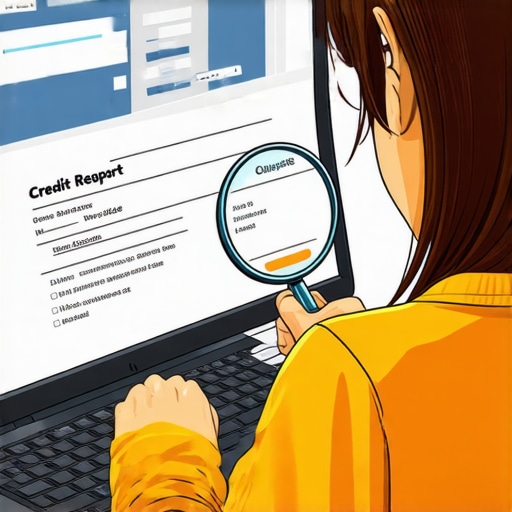
Errors on your credit report are like weeds choking your garden—if left unchecked, they stunt growth. Regularly review your report—use services or order directly from credit counseling insights—and dispute inaccuracies promptly. I discovered a late payment marked incorrectly, and within 30 days of filing a dispute, it was corrected, giving my score a quick boost. Use certified mail when sending dispute letters to ensure your request is acknowledged. This meticulous approach ensures your report truly reflects your responsible behavior, not errors.
Build Credit Responsibly Using Authorized Users
Adding yourself as an authorized user on a trusted family member’s account can be akin to planting a seed in fertile soil—it can grow your score rapidly if managed properly. Just make sure the primary account holder has a solid payment history and low utilization. I borrowed this tactic from advice on credit counseling secrets—instituted it carefully, and within a few months, my score increased by 50 points. However, be cautious: if they’re negligent or miss payments, it could backfire. Always verify their payment history first.
Maintain Consistency and Monitor Progress
Think of your credit journey as a marathon—steadiness beats speed. Schedule monthly reviews of your report and score, adjusting your strategies based on results. Tools and apps can help track your scores without incurring extra costs, but the key is to stay committed. Sudden spikes or drops can be confusing, so understand what triggered them—perhaps a new inquiry or a late payment—and act accordingly. Staying vigilant and proactive ensures continuous improvement without setbacks.
Many believe that simply paying bills on time is enough to repair and build credit. However, this oversimplifies a complex system with subtleties that can trip up even the most diligent savers. One widespread misconception is that checking your credit report frequently can harm your score. In reality, regular monitoring via soft inquiries is vital for spotting errors and understanding your progress, and it won’t negatively impact your score. Another mistake is believing that paying only the minimum on debts is sufficient. This strategy prolongs debt repayment and can harm your credit utilization ratio, which is more influential than many realize. Strategic payments—such as paying more than the minimum—can accelerate your score improvement and reduce interest costs. It’s also common to think closing old accounts helps improve your score; surprisingly, it often reduces your credit history length and can lower your score, especially if the accounts are in good standing. Keep old accounts active to maintain your credit age advantage. Navigating the nuances of credit building involves understanding the importance of credit mix. A diversified credit profile, including different types of credit accounts, demonstrates your ability to handle various responsibilities and can boost your score. Adding a small installment loan or becoming an authorized user can make a difference—just ensure the primary account holder has a solid payment history. Beware of the trap of quick fixes, such as excessively disputing every negative item. Correcting legitimate errors is beneficial, but disputing accurate information can backfire, especially if disputes are unsuccessful or appear frivolous. According to a study by the Consumer Financial Protection Bureau, attempting to manipulate the system without understanding its rules can lead to longer-term damage rather than relief. For a deeper dive into these common pitfalls and how to sidestep them, check out our comprehensive guide on repairing credit quickly. Remember, patience and informed actions trump quick fixes. Have you ever fallen into this trap? Let me know in the comments.
Keep Your Credit System Running Smoothly with Reliable Tools
To sustain and build upon your credit improvements, leveraging the right tools makes all the difference. I personally rely on a combination of budgeting apps like Mint and Personal Capital because they offer detailed insights into spending habits and net worth, which are crucial for long-term credit management. These apps sync with my bank accounts automatically, showing me real-time updates on balances versus credit limits and alerting me before utilization creeps above the ideal threshold. 
For monitoring my credit score, I prefer Credit Karma and Experian because they provide soft inquiries that won’t ding my score, but still give comprehensive reports and alerts for new inquiries, balances, or potential fraud. Regular review of these reports helps me catch errors early, especially since disputes can sometimes be necessary to correct inaccuracies that harm your profile. Remember, correctness of data is foundational — you can learn more about the importance of dispute accuracy in our detailed guide.
Anticipate Trends and Prepare for the Future
Looking ahead, I predict that automation and AI-driven financial management will become even more prevalent. These tools will not only help automate payments and debt scheduling but will also offer predictive analytics to alert you to impending utilization spikes or missed payments before they occur. Staying up-to-date with emerging apps that incorporate machine learning can provide an edge, making your credit management more proactive rather than reactive.
How do I maintain good credit over time? Ask yourself this question regularly
Beyond tools, developing consistent habits like setting calendar reminders for checking your score monthly or scheduling automatic payments ensures you stay on top of your credit health. Consider also periodically reviewing your overall debt profile through professional counseling if you notice plateaus or setbacks. For those seeking advanced strategies, I recommend trying the debt management secrets for 2025, which include leveraging AI-assisted planning to fine-tune your credit profile for maximum impact.
The Tough Lessons That Changed My Credit Game
One of the hardest truths I faced was realizing that paying my bills on time wasn’t enough—being mindful of my credit utilization and credit mix was equally vital. I also learned that chasing quick fixes often backfires, and patience paired with strategic moves yields the best results. Perhaps most surprisingly, I discovered that old accounts, even if unused, boost my score’s longevity; closing them was a mistake I had to undo. These lessons weren’t obvious at first, but they transformed my understanding of credit health and are key for anyone serious about elevating their scores.
Tools That Truly Made a Difference in My Credit Journey
For managing and monitoring my credit profile, I rely heavily on credit counseling insights and apps like Credit Karma. These tools provide accurate reports and timely alerts without impacting my score—unlike hard pulls. Additionally, I use Mint for budgeting and keeping my utilization in check, which made a tangible difference in my credit health. Combining these resources with regular review sessions helped me stay proactive and avoid common pitfalls, proving that the right tools and habits are indispensable for long-term success.
Embrace the Power of Your Credit Potential Today
Your credit journey is uniquely yours, and the steps to improve it are within your control. With patience, strategic action, and the right resources, you can break through that ceiling and achieve a credit profile that opens doors. Now’s the time to take charge—review your report, optimize your utilization, and diversify your credit mix. Remember, every small step adds up to a significant leap forward. You’re capable of more than you think when you leverage knowledge and persistence.