
The Hidden Reason Your Credit Card Application Was Denied
Ever sat in front of your computer, excitement high, only to see that dreaded rejection message pop up? I remember the sting of clicking “submit” on a credit card application, then waiting anxiously, only to be met with a terse denial. That moment was a wake-up call for me. It wasn’t about income or job stability; it was something more insidious lurking behind the scenes.
When Credit Denials Aren’t About Your Income or Job
For years, I blamed my low income or unstable job history for my credit card rejections. But after digging deeper and consulting with experts, I discovered a frustrating truth: often, the real reason is linked to little-known issues in my credit report—mistakes I overlooked, outdated information, or unresolved negative marks. These seemingly small errors can be the difference between approval and outright denial. In fact, the Consumer Financial Protection Bureau reports that one in five credit reports contain significant errors affecting consumers’ creditworthiness. That’s a staggering statistic, and it underscores why understanding your credit report inside and out can unlock doors that seem permanently shut.
Is It Really Worth the Hassle To Fix Your Credit?
I get it—checking your credit, disputing errors, and rebuilding takes time and effort. Early on, I mistakenly believed that if my income was solid, approval was guaranteed. That was a mistake. The truth is, ignoring the details in your credit report can keep you from getting the approvals you deserve. If you’re tired of those rejection emails or feeling like the system is rigged against you, let me tell you—there is hope. These issues are fixable, and I’ll guide you through the proven strategies that helped me turn my credit situation around.
Starting with understanding the common pitfalls and the secrets behind your credit report can give you the leverage you need. Want to learn the step-by-step approach to repairing and building your credit? Check out effective credit repair tips for practical advice that can kickstart your journey. So, what’s your experience? Have you ever faced a credit card denial that felt unfair or confusing? If yes, keep reading—I’ll show you exactly how to identify and fix those hidden barriers.
Start With a Detailed Credit Report Analysis
My first real move was to obtain my credit report from all three bureaus—Experian, Equifax, and TransUnion. Think of this as a house inspection before renovation; you need to identify every flaw and hidden issue. I used credit-building hacks to understand what positive factors could be highlighted and what mistakes needed correcting. Once I had the report, I meticulously went through each entry, looking for errors, outdated information, or negative marks that didn’t belong.
Dispute and Correct Errors Fast
If you find inaccuracies, act swiftly. Think of your credit report as a legal document—errors are like inaccuracies in a contract that you can contest. Use certified mail for disputes, include copies of proof, and request removal or correction on the spot. I disputed a duplicate account that had mistakenly reported my debt as unpaid, which was dragging my score down. Within weeks, that mistake was rectified, giving my score a noticeable boost.
Reduce Your Credit Utilization Immediately
Next, I focused on lowering my credit utilization ratio—the percentage of available credit you’re using. It’s like having a credit limit of $10,000 and owing $5,000; your utilization is 50%. My goal was under 30%. I paid down high balances—called targeted payments—and kept my spending in check. A crucial step was asking for a credit limit increase on existing cards by calling customer service, which effectively increased my available credit without applying for new cards.
Becoming an Authorized User Can Boost Scores
One brief story: I asked my mom to add me as an authorized user on her oldest, well-managed credit card. This immediately improved my credit history length and reduced my overall utilization. It’s akin to inheriting a clean, sturdy house—your credit profile gets the benefits instantly. Remember, pick someone with a solid payment history to avoid negative impact.
Establish and Rebuild Credit Wisely
If your credit is nonexistent or severely damaged, start with secure credit cards or credit-builder loans. I used a secured card where the deposit was equal to my credit limit, acting like collateral. Regular, on-time payments are the training ground for good credit habits. I borrowed small amounts and paid them back promptly, which demonstrated responsibility to the bureaus. This path is detailed in building credit from scratch.
Leverage Credit Monitoring Tools
Tools like free credit monitoring apps helped me stay alert to changes. They also prompted me to verify unfamiliar inquiries or sudden drops. It’s comparable to having a security system—constant vigilance prevents future surprises or fraud, which can devastate your score. Regular checks also help you identify new negative items quickly so you can dispute them before they damage your profile.
Practice Consistent, Smart Debt Management
To keep my credit healthy, I devised a manageable debt repayment plan. Embracing the debt snowball method—paying smallest debts first—kept me motivated. I avoided high-interest debts like payday loans. Instead, I prioritized paying down balances systematically. For complex situations, I referred to debt management strategies to tailor my approach, ensuring I stayed on track without becoming overwhelmed.
Seek Professional Advice When Needed
If your credit situation feels out of control, consulting with a credit counselor can be transformative. They help craft a personalized plan and negotiate with creditors if necessary. Remember, it’s okay to ask for help—think of credit counselors as your financial architects, guiding you through the rebuilding process. I used credit counseling secrets to strengthen my understanding and actions towards better credit health.
Why Most Advice Misses the Nuances
Popular debt management tips often emphasize paying down balances or consolidating loans, but they overlook a critical nuance: the timing and strategy behind credit utilization. Many believe paying early always boosts their score, but according to expert studies, the impact depends heavily on your overall activity, not just punctual payments. Overlooking this can lead to unintended score drops, especially if you close old accounts prematurely or apply for too many new credit lines simultaneously.
The Myth About Credit Counseling
A common misconception is that credit counseling means debt settlement or debt forgiveness. In reality, quality counseling focuses on education, budgeting, and establishing healthier credit habits. Poorly connected or scammy counseling services can do more harm than good, especially if they push for debt settlement options that damage your credit further or misrepresent their impact. Always verify credentials and clarify the scope of services before engaging.
What Advanced Borrowers Should Watch For
For those already managing debts well, the trap many fall into is neglecting the importance of credit mix and length. Simply reducing balances isn’t enough; diversifying your credit types and maintaining old accounts can be crucial for a high score. Interestingly, making multiple small inquiries in a short period can signal risk to lenders, even if your overall debt is under control. As research shows, timing and pattern of your credit activity weigh heavily in scoring models, especially when you’re aiming for excellent ratings.
Beware the ‘Quick Fix’ Tricks
Many fall for the myth that rapid repairs, like disputing everything or deleting negative items, will instantly skyrocket their score. While these tactics can help improve scores somewhat, they aren’t sustainable or foolproof. Sometimes, aggressive disputes can even lead to disputes being flagged as frivolous, which hurts your chances further. Instead, focus on consistent, long-term credit habits, and consider professional guidance from reputable sources such as effective repair strategies.
In the end, understanding these nuanced aspects can be the difference between just managing debt and truly mastering your credit profile. Recognizing the right timing, avoiding scams, and practicing patience are often overlooked but vital elements for building a resilient financial foundation. Have you ever fallen into this trap? Let me know in the comments!
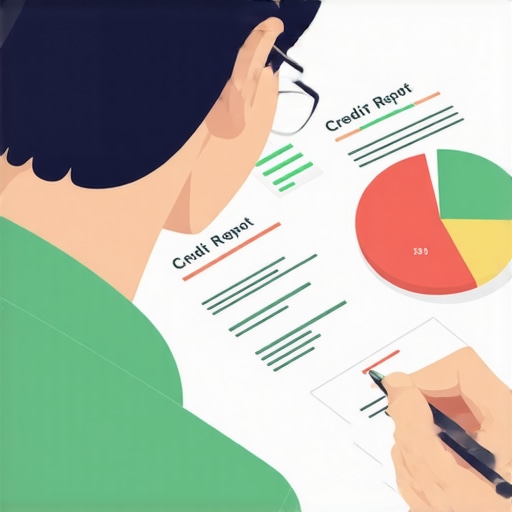
Keep the Momentum with Smart Tool Use
Maintaining your credit health over time requires more than just initial efforts; it demands consistent monitoring and strategic tools. I personally rely on Credit Karma because it provides real-time updates on my credit score and alerts me to any significant changes or inquiries. Its free access makes it an invaluable resource for staying vigilant without adding extra costs to my financial management.
Another tool I highly recommend is Experian’s CreditWorks, which offers more in-depth credit reports and credit score simulations. I use this to understand how specific actions—like paying down a high balance or opening a new account—can impact my score before I make the move. In a rapidly evolving credit landscape, these tools help me plan my next steps with confidence.
Develop a Routine for Credit Review
Creating a regular schedule to review your credit report—say, quarterly—ensures you catch errors early. I set calendar reminders and make a point to scrutinize my reports for outdated information or fraudulent activity. Disputing inaccuracies promptly can prevent negative marks from compounding over time. Remember, credit counseling services can also assist in developing these review habits effectively, especially if your report has complex issues.
The Future of Credit Maintenance Looks Bright
Looking ahead, innovations like AI-driven credit monitoring apps will personalize alerts and recommendations even further, making ongoing maintenance more seamless. With the rise of digital banking platforms integrating credit health tools directly into their apps, staying proactive will become easier than ever. This evolution means the days of neglecting your credit are numbered—embrace these advancements now to set yourself up for long-term success.
How do I maintain my credit over time without constant stress?
The key lies in establishing a routine that leverages technology. Automating payments through reliable banking apps minimizes missed bills, while periodic reviews using tools like credit monitoring services keeps your report accurate. I recommend trying to automate at least a few payments and setting calendar alerts for report reviews. Over time, these habits will become second nature, reducing stress and ensuring your credit remains in good shape. For deeper insights into long-term credit strategies, check out mastering credit building.
Looking back, I realized that some of my most valuable lessons about credit and debt management came from unexpected sources—mistakes I made and lessons I learned the hard way. If you’re serious about transforming your financial future, consider these insights as your secret arsenal to outsmart common pitfalls and accelerate your credit-building journey.
Lessons I Wish I Had Known Sooner
- Those minor errors on my credit report? Fixing them was like discovering free financial upgrades—small adjustments that led to big score jumps.
- Building credit isn’t a sprint; it’s a marathon. Patience and consistent habits trump quick fixes that can harm your long-term progress.
- Debt management strategies work best when tailored to your unique situation. One-size-fits-all advice often overlooks critical nuances that can make or break your plan.
- Professional guidance, like credit counseling, isn’t an admission of failure—it’s a strategic move to gain clarity and focus on what truly matters.
- Leverage technology—credit monitoring tools and apps—can serve as your financial safety net, alerting you to issues before they escalate.
My Favorite Tools for a Stronger Credit Future
- Credit Building Hacks: Because managing credit isn’t about luck, but smart techniques that fast-track your progress.
- Step-by-Step Credit Guide: An essential resource to understand foundational strategies for new borrowers or those starting over.
- Effective Repair Tips: Practical advice grounded in real-world experience that helped me climb out of low scores.
- Credit Counseling Secrets: When my debts felt overwhelming, professional guidance made all the difference in turning things around.
Take Charge and Shape Your Financial Destiny
Empowering yourself with knowledge, the right tools, and a proactive mindset can redefine your credit story. Remember, the path to financial freedom isn’t reserved for the fortunate—it’s accessible to anyone willing to learn and persevere. The journey begins with a single step—so why not start today? What’s one credit habit you’re planning to improve or implement? Share your plans or questions below—I’m here to help you succeed!
**