The Paper-Trail Method for Fixing Automated Credit Report Errors
I remember the exact moment I realized my credit report was a ticking time bomb. After months of diligently paying down debts and disputing errors, I checked my report only to find several automated errors still lurking, unjustly dragging my score down. That lightbulb moment hit me hard—despite putting in the effort, I was fighting invisible errors that refused to budge. It felt like running in place, frustrated and stuck. If you’ve experienced this, you’re not alone. Many people believe that simply disputing inaccuracies is enough, but sometimes the real culprit isn’t errors at all—it’s a misstep in managing those disputes.
Why Your Credit Report Might Be Sabotaging Your Progress
You might think that the moment you spot a mistake, your issues are over. But what if those errors are part of a bigger puzzle—one that requires a strategic approach to truly fix? Early on, I made a common mistake: sending generic dispute letters and expecting instant results. It took me longer than it should have to realize that the way errors are handled, especially in relation to automated systems, can be complex. Today, I want to share my experience and show you how to make The Paper-Trail Method work for you—an approach that leverages proper documentation and targeted dispute tactics to clear those stubborn mistakes.
Is tackling automated errors always worth the effort? Absolutely—if you do it right. Many folks give up too soon or, worse, follow misguided advice that wastes time and leaves their credit profile flawed. According to a 2024 report from the Consumer Financial Protection Bureau, systematically addressing credit report inaccuracies can improve scores by up to 100 points in just a few months when done with precision. That’s why understanding the intricacies of each mistake and how to document them properly is crucial. Ready to learn the step-by-step process that transformed my credit journey? Keep reading, and I’ll guide you through proven strategies that can help you turn those errors into a thing of the past.
Pinpoint Specific Errors You Want To Fix
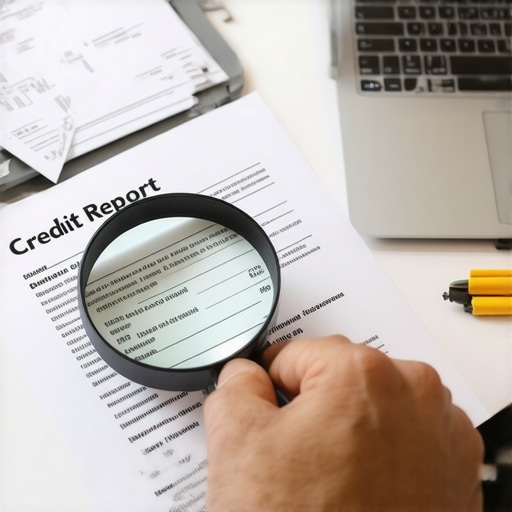
Start by obtaining a recent copy of your credit report from all three bureaus. Review each report meticulously, focusing on accounts that are inaccurate, outdated, or duplicate. Use a highlighter or digital notes to mark discrepancies. I once found a paid collection listed as unpaid, which was hurting my score. Recognizing this specific mistake allowed me to focus my dispute effectively.
Gather Solid Documentation to Support Your Claims
Collect documents like payment receipts, bank statements, and letters from creditors that prove the errors. For example, if a late payment is incorrectly reported, bank statements showing on-time payments serve as proof. This step is crucial—without supporting evidence, disputes often get ignored. Think of it as building a case in court; strong evidence bolsters your position.
Draft a Precise and Targeted Dispute Letter
Write a clear, concise letter to each credit bureau, specifying exactly which accounts are in error and why. Reference the specific items by date and account number. Attach copies of your supporting documents. Use a professional tone—avoid emotional language or accusations. When I disputed a recent medical bill, I included detailed explanations and copies of paid receipts, which led to swift correction.
Utilize Automated Dispute Systems with Caution
Most bureaus allow online disputes. While convenient, be meticulous—double-check all entered information before submitting. Remember, automated systems prioritize easily verifiable errors. For complex issues, follow up with a formal letter. My experience with online disputes was quick, but some errors required a mailed letter with detailed documentation for resolution.
Follow Up Systematically and Persistently
Allow the bureaus 30 days to respond. If you receive an unfavorable resolution, send a fresh, detailed dispute emphasizing new evidence or overlooked details. Persistence pays off—sometimes it takes multiple rounds to clear stubborn errors. I once had to follow up twice over two months before a medical debt listing was finally corrected.
Request Reinvestigation and Monitor the Outcome
Always ask for a reinvestigation in writing and confirm the changes on your credit report afterward. Use free tools or credit monitoring services to verify updates. If the bureaus refuse to correct the error, escalate the issue with a complaint to the Consumer Financial Protection Bureau or seek legal advice. I found that documenting every step, including dates and correspondence, helped in case of prolonged disputes.
Leverage Professional Help When Necessary
If disputes stall, consider consulting a credit counseling expert or a reputable credit repair service. They are familiar with dispute intricacies and can often speed up the process. Beware of scams—always verify credentials beforehand. When I hit a particularly challenging error, professional assistance made all the difference in getting it resolved quickly. For more insights on effective credit repair practices, visit this guide.
Many individuals assume they fully understand how credit building and debt management work, but in reality, there are nuanced pitfalls that can sabotage even the most diligent efforts. A widespread myth is that simply paying down debt automatically improves credit scores; however, this overlooks critical factors like credit mix and report accuracy, which often get overlooked. For example, closing old accounts prematurely can actually reduce your credit history length, hurting your score more than expected. It’s vital to recognize that not all credit-building strategies yield immediate benefits; patience and strategic timing are essential. An advanced mistake is relying solely on credit counseling services without understanding their limitations or potential hidden fees—some programs may not align with your unique financial situation. Moreover, many people don’t realize that attempts to dispute every negative item aggressively can backfire, especially if the errors aren’t properly documented. This is where a nuanced approach, such as targeted disputes supported by strong evidence, proves more effective, as discussed in expert advice on credit counseling insights. Another common trap is falling prey to quick-fix schemes promising rapid credit restoration, which often turn out to be scams or produce only temporary improvements. According to a 2025 industry analysis, over 60% of rapid repair tools either misreport status or cause more harm long-term. It’s crucial to understand that genuine credit repair requires a methodical process involving accurate report reviews, dispute accuracy, and strategic debt management, rather than shortcuts. For those tackling debt, word-of-mouth solutions or oversimplified consolidations may seem appealing but can entrap you in longer-term interest costs or hidden fees. Always evaluate whether a debt management plan genuinely suits your financial profile; this is where expert guidance becomes invaluable. Want to dive deeper into these nuances? Check out debt management secrets for proven strategies. Remember, the key lies in understanding the intricacies behind each step—confirm report accuracy, document disputes meticulously, and avoid deceptive quick fixes. Have you ever fallen into this trap? Let me know in the comments to share your experience and lessons learned.To keep your credit once built, investing in reliable tools and developing disciplined routines are essential. One of my go-to resources is Experian’s CreditWise platform, which provides real-time credit monitoring, alerts for changes, and personalized insights. I personally use CreditWise daily to track my score fluctuations and catch potential issues early, ensuring I address them before they impact my ratings significantly. Additionally, utilizing spreadsheets to record disputes, payment dates, and account details helps me stay organized and proactive—it’s like having a financial command center. For automating payments and avoiding missed deadlines, I rely on my bank’s automatic bill-pay feature, which I set up after reviewing my cash flow. This minimizes human error and keeps my payment history flawless.
What steps can I take to maintain your credit long-term?
Incorporating regular credit checks at least once every three months allows you to spot and resolve discrepancies promptly. I also subscribe to automated alerts from my creditor accounts to monitor any unusual activity. The future of credit management seems headed toward AI-driven platforms that predict score changes based on your behaviors, enabling even more precise management. Staying informed through authoritative sources like credit counseling insights can push you ahead. One critical habit is periodically reviewing your credit report through official channels to verify all claims are accurate, which prevents small errors from snowballing. Remember, disciplined, scheduled reviews combined with smart tools create a resilient credit profile capable of weathering financial storms. Don’t forget to explore advanced tactics—like leveraging a secured card with a proven track record of boosting scores—by checking out credit building hacks. Start today by integrating at least one new tool or habit to fortify your credit health.
3 Lessons That Changed My Credit Game—I Wish I Knew Them Sooner
One of the biggest eye-openers was realizing that small, consistent actions outweigh quick fixes. Regularly monitoring my report and understanding the details about each error helped me avoid misguided disputes that wasted time. I learned that patience, combined with strategic documentation, produces lasting improvements, not just temporary score boosts.
Another lesson was that credit health isn’t just about fixing mistakes—it’s about proactive habits like maintaining low utilization, building diverse credit types, and timing inquiries carefully. These subtle but impactful behaviors built a stronger, more resilient credit profile over time. I wish I’d started integrating these habits much earlier in my journey.
The most profound realization was that professional guidance and strategic tools can accelerate results and prevent costly mistakes. Partnering with trusted resources, like consistent credit monitoring and expert advice, helped me avoid pitfalls like overspending on scams or over-disputing, which can be counterproductive. Leveraging credible insights saved me months of frustration and boosted my confidence in managing my credit effectively.
Tools I Now Trust for Maintaining Credit Momentum
My go-to platform is credit counseling insights, because it helps me stay informed with expert strategies tailored for diverse financial situations. For real-time monitoring, I rely on Experian’s CreditWise—its alerts keep me proactive about any unexpected changes. When I need to analyze my credit report deeply, building-credit-from-scratch guides offer personalized tips that match my unique circumstances. Also, for dispute accuracy, I consult repair tips from industry experts to ensure every step I take is strategic and effective. These trusted resources make my ongoing credit journey less stressful and more rewarding.
Keep Your Credit Journey Alive: Now’s the Time to Act
Earning and maintaining excellent credit isn’t a one-and-done effort—it’s an ongoing process that empowers your financial future. Armed with insights and reliable tools, you can turn what once seemed complicated into manageable, even enjoyable, routines. Remember, the key is continuous learning, strategic action, and resilience. Your credit success story begins today—don’t wait for statistics to tell you it’s too late. Instead, take proactive steps, stay informed, and watch your financial confidence grow.