The Real Impact of a Hard Inquiry on Your Next Mortgage Loan
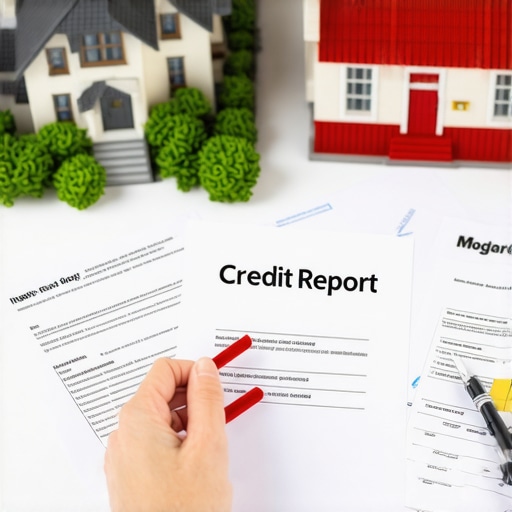
I remember the moment it hit me—seeing that tiny, almost insignificant question mark on my credit report, and realizing it could make or break my dream home. It was a classic case of underestimating the power of a single hard inquiry. Back then, I thought, “It’s just one inquiry, won’t hurt.” But as I dug deeper, I learned that even a single hard pull can reduce your credit score by several points, especially if your score is already fragile. That lightbulb moment convinced me I had to understand exactly how these inquiries impact my mortgage chances.
Why Even One Hard Inquiry Matters More Than You Think
Hard inquiries happen when lenders review your credit—say, during a mortgage application—and they can temporarily ding your credit score. Contrary to popular belief, these dents can be significant, especially if you’ve recently been trying to improve your credit. Research shows that even one hard pull can reduce your score by as much as 5 points, and the influence might linger for up to a year. This may seem minor, but it can be the difference between getting approved or being denied. I wish I had known earlier how critical timing is — I would have strategized differently, perhaps by consolidating my inquiries or spacing them out. If you’re about to apply for a mortgage, ask yourself: Have I minimized my credit inquiries, or am I unknowingly sabotaging my chances?
Could a Single Hard Inquiry Really Derail My Mortgage?
Here’s the honest truth—it’s possible, especially if your credit profile isn’t strong. But I’ve also learned that the impact of a hard inquiry diminishes over time as your credit ages. Plus, lenders look at the bigger picture—your debt-to-income ratio, payment history, and overall credit behavior. Early in my journey, I made the mistake of assuming all inquiries are equally harmful; in reality, timing and frequency matter. If you’re concerned about how a recent inquiry might affect your application, it’s smart to consult with a credit expert or visit reputable resources like [this guide](https://counselcredits.com/effective-credit-repair-tips-to-boost-your-score-today).
Are you worried that a recent hard inquiry could spoil your mortgage plans? You’re not alone, and the good news is, you can take concrete steps now to mitigate its effects. Up next, I’ll share proven strategies that helped me turn my credit around and set me on the path to my new home.
Tackle Your Debts Head-On
Start by listing all your outstanding debts, including credit cards, personal loans, and medical bills. Prioritize paying off high-interest accounts first, as they have the most detrimental impact on your credit score. Use the snowball or avalanche methods—whichever motivates you—to systematically reduce your debt load. I once consolidated my smaller debts into a single loan through a reputable [debt management program](https://counselcredits.com/debt-management-secrets-tackle-debt-before-it-takes-over), simplifying payments and lowering interest rates. Maintain consistent payments to prevent new late marks from appearing.
Balance Your Usage to Gain Points
Credit utilization ratio—the percentage of your available credit you’re using—directly affects your score. Aim to keep balances below 30% of your credit limits. For instance, if your credit card limit is $1,000, don’t exceed $300. I used to carry a $500 balance on a $2,000 limit, but after aggressively paying down and requesting credit increases on some cards (which doesn’t count as a new inquiry if done right), I saw my utilization drop to 15%, leading to quick score improvements. Check your credit reports regularly for inaccuracies you can dispute to ensure your utilization reflects real balances. You can learn effective dispute techniques [here](https://counselcredits.com/effective-credit-repair-techniques-for-a-fresh-financial-start).

Build Your Credit History Strategically
Establishing or rebuilding credit requires deliberate actions. Consider applying for a secured credit card, which involves depositing funds that become your credit limit. Make small purchases and pay them off in full each month. This method demonstrates responsible credit use and improves your score over time. If you already have a card but your history is limited, become an authorized user on a family member’s well-managed account—they can boost your credit without additional debt. For rapid progress, explore [credit-building hacks](https://counselcredits.com/credit-building-hacks-fast-track-your-credit-score) that can help you accelerate your score gains.
Manage Your Debts with a Clear Plan
Effective debt management isn’t just paying what you owe—it’s about strategic planning. Develop a budget that accounts for all expenses, cuts unnecessary costs, and allocates extra funds toward debt repayment. Use the snowball method for quick wins or the avalanche for saving on interest—choose based on what keeps you motivated. If debt feels overwhelming, consult a professional via [credit counseling](https://counselcredits.com/credit-counseling-insights-avoid-common-pitfalls-in-debt-management), which can offer tailored plans and negotiations with creditors. Remember, consistent, disciplined payments over months will stabilize your credit profile and make future applications less risky.
Simplify Credit Monitoring and Dispute Process
Set up automated alerts to track changes to your credit report—the faster you catch inaccuracies or fraudulent activity, the less damage they can cause. Review your reports regularly using free annual checks, or through trusted services. If inaccuracies appear, dispute them promptly; a well-documented dispute can lead to corrections that boost your score or remove negative marks. Familiarize yourself with [dispute techniques](https://counselcredits.com/how-to-dispute-an-incorrect-medical-bill-entry) that increase your success rate and understand the law behind credit reporting.
Many believe that credit repair is all about disputing negative items and waiting for scores to improve. However, experienced financial advisors understand that superficial fixes often overlook critical nuances. A common myth is that deleting accounts or aggressively disputing errors guarantees rapid score increases. In reality, these tactics can backfire if not executed carefully, leading to longer-term damage or legal complications. For example, disputing accurate late payments without good cause can result in penalties or further scrutiny by lenders. Additionally, some try to boost their score solely through credit utilization hacks, neglecting the importance of building positive credit history, which is equally vital for long-term financial health.
What’s the risk of relying solely on credit repair myths?
Relying only on quick-fix methods can give a false sense of progress, causing you to avoid foundational steps like strategic debt management and regular credit monitoring. Experts warn that neglecting the broader picture can leave you vulnerable to future setbacks. Studies from financial research institutions indicate that comprehensive, sustained credit-building efforts outperform piecemeal approaches. For instance, integrating debt management with responsible credit usage accelerates scores more reliably than disputed accounts alone. Don’t fall into the trap of thinking that disputing inaccuracies is enough—it’s just one piece of a multi-faceted process. To avoid pitfalls, consider proven strategies available at [effective credit repair tips](https://counselcredits.com/effective-credit-repair-tips-to-boost-your-score-today).
Why do some credit building methods work better for certain profiles?
Different financial situations demand tailored approaches. For example, individuals with limited credit history should focus on establishing a mix of credit types through secured cards or credit-builder loans, detailed in [building credit from scratch](https://counselcredits.com/building-credit-from-scratch-what-you-need-to-know-in-2025). Meanwhile, those with existing debts benefit from targeted debt management plans that prioritize high-interest accounts, which can be explored at [smart debt management practices](https://counselcredits.com/smart-debt-management-practices-for-maintaining-financial-health). A nuanced understanding of these factors helps avoid the common mistake of applying generic solutions across all scenarios, which often results in slower progress or setbacks. Remember, credit improvement isn’t just about quick wins—it’s about disciplined, informed actions over time.*Would you like more insight into customizing your credit strategy? Reach out through [contact us](https://counselcredits.com/contact-us-2) and get personalized advice. Have you ever fallen into this trap? Let me know in the comments.Maintaining good credit isn’t a one-time effort; it requires consistent oversight and strategic tool use. Over the years, I’ve honed a set of specific resources that make tracking and improving credit scores much more manageable. For example, I rely heavily on online credit monitoring services like Experian or IdentityIQ because they provide real-time alerts about changes to your credit report, allowing me to catch inaccuracies or potential fraud immediately. Personally, I prefer services that offer detailed activity logs and dispute assistance, which streamline correcting errors without me needing to navigate complex bureaus alone.
Another indispensable tool is budgeting software like YNAB (You Need A Budget). This isn’t just about tracking expenses; it helps me allocate funds for debt repayment systematically, ensuring I stay on top of payments that affect my credit score. I also utilize a custom spreadsheet—I designed it to monitor debt payoff progress and credit utilization ratios, so I can see at a glance whether my strategies are effective. For automating payments and reducing late payment risks, I set up recurring transfers through my bank’s online platform, which I review weekly to keep everything aligned with my financial goals.
Looking ahead, I predict that advanced AI-driven credit management platforms are on the horizon, making it easier than ever to personalize your credit building strategies and alert you to potential pitfalls before they impact your score. As technology evolves, integrating these AI tools can provide real-time insights and recommendations based on your unique financial profile, something I’ve started experimenting with and found promising.
How do I maintain my credit over time without slipping back into old habits?
Regularly reviewing your credit report—at least once every three months—is crucial. Additionally, setting up notifications for credit score changes and unusual account activity adds layers of security and oversight. I also recommend practicing disciplined credit use: keep utilization below 30%, pay bills on time, and avoid unnecessary inquiries. For those looking to take their credit management further, I encourage trying the latest credit-building hacks, like secured credit card automation, which you can explore in detail at this guide. Incorporating these tools into your fiscal routine has helped me sustain and even improve my credit standing over the years.
By combining technology, disciplined practices, and regular reviews, you build a resilient credit profile that withstands the inevitable financial ups and downs. Remember, consistent effort with the right tools can significantly accelerate your journey towards strong credit. If you’re interested in more tailored advice, don’t hesitate to reach out to me. Ready to test one advanced tip? Set up automated alerts for your credit report changes today—it’s a simple step that can save you money and stress in the long run.
Lessons I Wish Someone Told Me About Credit Building
One of the toughest lessons I learned was that credit management isn’t just about quick fixes; it’s about consistency and patience. I used to think paying off debts would instantly boost my score, but I realized that building a strong credit profile takes deliberate actions over time. Also, I underestimated the power of small, timely payments—these little habits compound into big credit improvements. Lastly, I discovered that understanding how each credit element interacts—like utilization, history, and inquiries—can totally change your approach and accelerate your progress.
Tools and Resources That Changed My Financial Life
My essential toolkit for credit repair and building includes reputable online monitoring services like Experian, which provide real-time alerts and dispute support. I trust them because they keep me informed and empower me to act quickly against inaccuracies. Additionally, I rely on budgeting software like YNAB, which helps me allocate funds effectively for debt repayment and keeps my credit utilization low. For learning more about hacks that speed up credit growth, I recommend exploring credit-building strategies—they provide practical tips that made a noticeable difference in my scores. And for comprehensive strategies, I found the master blueprint incredibly helpful in understanding the bigger picture.
Keep Moving Forward: Your Credit Future Awaits
Building and maintaining good credit isn’t an overnight achievement; it’s a journey that rewards persistence and smart choices. Every action you take—no matter how small—builds toward your financial independence. Remember, the tools, knowledge, and habits you develop today will shape your credit profile for years to come. So, stay committed, explore new strategies, and don’t hesitate to reach out through personalized guidance whenever you need it. Your credit success story is just beginning—ignite it today!