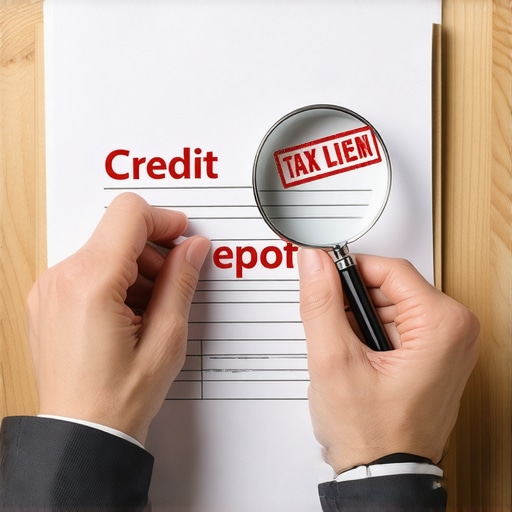
The Script for Asking a Credit Bureau to Verify a Debt
It was one of those mornings when I finally decided to face the truth about my credit report. I had received yet another notice of a disputed debt, and honestly, I felt overwhelmed and a bit hopeless. But then I had a lightbulb moment—what if I could take control by learning how to properly ask the credit bureaus to verify that debt? That realization changed everything for me.
Why Taking the Initiative Matters More Than Ever
In recent years, I’ve learned that many people, myself included at first, underestimate the power of a simple yet strategic request: asking the credit bureaus to verify debts. This step can be a game-changer, especially when dealing with inaccurate or outdated information on your credit report. According to a report by the Federal Trade Commission, wrong or outdated information is a common cause of credit report errors, which can negatively impact your credit score and borrowing options. Being proactive can help correct those inaccuracies and improve your financial health.
Is It Really Worth the Hassle? My Early Mistakes and What I Learned
When I first started my credit repair journey, I made the mistake of sending generic dispute letters without any follow-up. I thought that was enough. Trust me, it’s not. I soon realized that crafting a well-structured, specific request for verification was crucial. It’s akin to the difference between a vague complaint and a detailed complaint that demands action. Once I understood how to effectively communicate with the credit bureaus, I saw tangible improvements. This experience taught me the importance of detailed, respectful, and persistent communication—something I want to help you master today.
If you’ve ever felt frustrated with errors on your credit report or wondered if there’s a way to clean up your score, you’re not alone. And there’s good news: asking a credit bureau to verify your debt is a powerful step you can take right now. In the sections ahead, I’ll walk you through the exact process I used—step-by-step—to ensure your disputes are heard and acted upon. Ready to take charge of your credit report? Let’s dive into the practical strategies that can pave your way to better credit.
Gather Your Documentation and Know Your Rights
Before reaching out to the credit bureaus, collect all relevant documents: your recent credit report, account statements, and any correspondence from creditors or debt collectors. Familiarize yourself with your rights under the Fair Credit Reporting Act (FCRA), which stipulates that you can request verification of any debt listed on your report. This knowledge empowers you to demand clear evidence and assert your claim confidently. Think of it as preparing your weaponry before a negotiation—knowledge makes your requests more credible and effective.
Draft a Precise and Respectful Dispute Letter
Craft a letter clearly stating which accounts or entries you contest. Be specific—reference account numbers, dates, and the nature of the dispute. Use respectful language; remember, the goal is cooperation, not confrontation. For example, write: “I am disputing the accuracy of the $1,200 debt listed on my report from XYZ Collections, account number 123456, dated March 2023, as I have no record of this debt.” This is akin to being a lawyer presenting a solid case—clarity and detail are your best allies. You can find models of effective dispute letters [here](https://counselcredits.com/effective-credit-repair-tips-to-boost-your-score-today), which can be tailored to your situation.
Leverage the Bureau Push Technique for Faster Results
Send your dispute through the bureaus’ online portals or certified mail with return receipt requested. Follow up if you don’t receive a response within 30 days. In some cases, using the bureau push method—requesting the bureau to contact the creditor directly—accelerates the process. Think of it as a light push in a crowded room; it encourages the system to respond without hammering. Remember, persistence is critical; staying engaged ensures your dispute doesn’t get lost in the shuffle.
Use the Power of the 60-Day Rule to Strengthen Your Position
If the credit bureau responds and verifies the debt but you still believe it’s inaccurate, you have 60 days to escalate your dispute or dispute further. Use this window to gather additional evidence, like bank statements or proof of payment, to support your claim. It’s comparable to a chess game—anticipating the next move and being ready with your counter-arguments. This period allows you to build a compelling case, increasing the chance of the erroneous item being removed.
Document Every Interaction for Your Records
Keep detailed notes of all correspondence, including dates, contact names, and summaries of conversations. Save copies of letters sent and received, as well as proof of mailing. This record-keeping acts as your financial diary, ready to be referenced if disputes need to be escalated or if you decide to seek professional assistance [here](https://counselcredits.com/credit-counseling-insights-unlock-your-path-to-better-credit). It also demonstrates your diligence in rectifying inaccuracies, which can be useful if a dispute ends up in legal or regulatory review.
When to Seek Expert Help
If the process becomes too complex or unresponsive, consider consulting a credit counselor or a reputable credit repair service. They have experience navigating disputes efficiently, much like a seasoned detective decoding a complex case. Be cautious of scams—review the legal T&Cs and check for accreditation. Remember, this step is about empowering yourself, not surrendering control. Learning and applying these dispute tactics will significantly improve your ability to verify and challenge debts on your credit report, ultimately cleaning your credit history and boosting your financial health.
 Many people believe that credit repair is simply a matter of disputing outdated or incorrect entries on their reports, but in reality, there’s a nuanced landscape often misunderstood. A common myth is that paying off debts automatically boosts your credit score significantly. According to expert analyses, such as those highlighted in [effective credit repair tips](https://counselcredits.com/effective-credit-repair-tips-to-boost-your-score-today), the impact of debt payoff on your score depends heavily on how it affects your credit utilization ratio and account history. Simply paying down debt without managing your credit mix or keeping accounts active might not lead to the improvements you expect. Additionally, many assume that closing old credit accounts will improve their score, but this can backfire by reducing your overall credit history length and available credit, thereby increasing your utilization ratio—a key component of your score. Always approach credit actions strategically, perhaps by leveraging [credit building hacks](https://counselcredits.com/credit-building-hacks-fast-track-your-credit-score) to accelerate progress.
A significant trap in debt management involves the misconception that consolidating all debts into a single loan will resolve financial issues quickly. While consolidation can reduce monthly payments, it might prolong debt repayment and lead to higher total interest if not carefully managed. That’s why understanding the nuances and potential pitfalls is vital. For instance, some think that debt settlement programs are a quick fix, but experts warn that many are costly scams, as detailed in [top credit repair myths busted](https://counselcredits.com/top-credit-repair-myths-busted-by-experts-in-2025). Persistent reliance on such methods can damage your credit standings even further.
Advanced readers often ask: “How can I optimize my credit profile for future lending, especially when I have complex credit histories or past errors?” Make no mistake—simply correcting errors isn’t enough. Building a robust credit profile involves managing your credit mix, maintaining low balances, and making timely payments over time. Innovative techniques, such as leveraging credit tools and understanding scoring models, can dramatically influence future credit opportunities. For instance, strategic use of small, consistent credit lines can enhance your credit depth, an often-overlooked factor in scoring models. To master this, consider reading about debt management secrets and proven strategies to optimize your credit health.
But beware of the trap of over-disputing or chasing every minor error, which can lead to frivolous disputes and delays. Regulatory bodies emphasize focusing on significant inaccuracies rather than minor discrepancies to ensure effective use of your dispute rights. Remember, as with any complex process, patience and informed action are your best allies. To deepen your understanding, visiting resources like [credit counseling secrets](https://counselcredits.com/credit-counseling-secrets-for-smarter-debt-management-in-2025) can help you develop smarter strategies.
Have you ever fallen into this trap? Let me know in the comments.
Keep Your Credit Strategy Running Smoothly
Maintaining your credit health over the long term requires the right equipment and software to stay organized, informed, and proactive. Personally, I rely on a combination of trusted tools that help me monitor my credit report, manage debt, and build credit strategically. These tools not only save time but also provide insights that can prevent costly mistakes before they happen.
FICO Score Monitoring
Using a dedicated credit monitoring service like Experian, Equifax, or TransUnion’s own platforms allows me to track my credit score in real-time. I prefer services that offer alerts for any changes or inquiries, so I can catch suspicious activity immediately. Consistent monitoring keeps the process transparent and helps me adjust my habits quickly—an essential aspect highlighted in effective credit repair tips.
Spreadsheet for Debt Management
I maintain a detailed spreadsheet to track all debts, payment dates, and balances. This DIY method gives me complete control and enables me to see my progress at a glance. For example, I set specific milestones for paying down high-interest debt using the debt avalanche method, proven to save money and improve scores. Incorporating this approach aligns with debt management secrets.
Apps for Building Credit from Scratch
If you’re starting fresh or rebuilding, apps like Experian Boost or RentTrack report your utility and rent payments to the bureaus, boosting your credit profile. These tools are game-changers, especially when traditional credit history is thin or non-existent. I recommend trying out Experian Boost first—it’s free and easy to set up, and it can add points faster than you expect.
Automation and Alerts for Long-Term Maintenance
Automating minimum payments via your bank’s bill pay system ensures you never miss a due date. Simultaneously, setting up alerts for upcoming bills or credit limit breaches helps you stay disciplined. These small yet impactful habits can have a significant positive impact on your credit profile over time.
Where Do I See Credit Maintenance Heading?
Looking into the future, I predict these tools will become smarter, integrating AI to analyze spending habits and suggest personalized credit strategies. Enhanced data security will also be more vital as our financial lives become increasingly digital. Staying updated with the latest AI-powered credit tools will ensure your efforts remain ahead of the curve.
How do I keep my credit management effective over the years?
Consistency is key. Regularly reviewing your credit report, updating your debt management spreadsheet, and leveraging new reporting methods like alternative data will keep your credit profile healthy. As you become more comfortable, consider exploring credit building hacks to accelerate your progress. Try setting monthly reminders to review your report and update your plans—this small habit compounds into substantial benefits over time.

Remember, the right tools combined with disciplined habits create a powerful system for maintaining your credit health. Don’t hesitate to test out one of these tools—like automating your payments or reporting rent—today to solidify your progress. Staying proactive makes all the difference in achieving your long-term financial goals.
,
Less Than Obvious Lessons That Changed My Approach to Credit
- Patience Trumps Speed: I used to think quick fixes were the answer, but I learned that consistent, strategic actions lead to lasting improvement—rushing often backfires. Embracing patience transformed my credit journey into a sustainable process.
- The Power of Small Wins: Celebrating minor successes, like paying off a single debt or disputing a mistaken entry, kept me motivated. These small victories accumulated, boosting my confidence and credit profile over time.
- Understanding Data is Key: Deep dives into my credit report exposed patterns I hadn’t noticed—like how high utilization or old inquiries subtly drag down my score. Knowledge of these nuances empowered smarter decisions.
- Consistency Matters More Than Perfection: Missing a payment once wasn’t the end of the world, but inconsistent habits hurt my score more than a single lapse. Staying disciplined over months proved the most effective strategy.
- Seeking Help is a Strength: Reaching out to credit counselors or using trusted tools—like those I’ve come to trust—made a significant difference. Knowing when to ask for guidance prevents costly missteps.
Tools and Resources That Accelerated My Credit Goals
- Credit Monitoring Services: Platforms like Experian allow real-time tracking and alerts, so I stayed ahead of suspicious activity and learned how my actions impacted my score. These tools create a feedback loop that encourages smarter habits.
- Debt Management Apps: Using tools like a dedicated spreadsheet or apps helped me visualize my debts, plan repayment strategies, and stay motivated. They became my personal financial dashboard, making progress tangible.
- Educational Content and Guides: Reading trusted resources—such as effective credit repair tips—provided insights beyond surface-level advice, helping me understand not just the ‘how,’ but the ‘why’ of credit building.
- Rent and Utility Reporting Services: Tools like Experian Boost let me turn regular payments into positive credit history, rapidly improving my credit profile without extra debt. They showed me innovative ways to leverage everyday activity for financial gain.
The Heart of Taking Credit Repair Seriously
Your credit journey is uniquely yours, and the steps you take today set the foundation for your financial future. Staying proactive, utilizing the right tools, and keeping a learning mindset will empower you to navigate challenges confidently. Remember, credit repair isn’t about chasing perfection but building a resilient financial identity that can adapt and grow. If you’d like personalized advice on your credit situation, don’t hesitate to explore expert insights and proven strategies—like those available through reputable lenders and guides. Every small, consistent step moves you closer to your goals and unlocks new opportunities. Are you ready to take your next confident step in credit building? Share your story or questions below—your experience might inspire someone else on the same path.