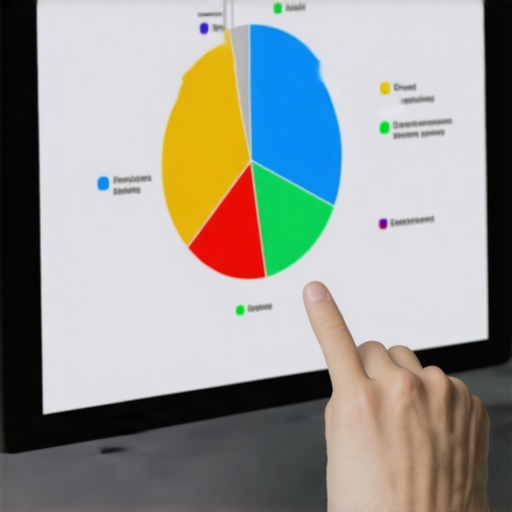
The Simple Chart That Shows Where Your Paycheck Actually Goes
There was a moment late one night, staring at my bank account with a sinking feeling. I had just received my paycheck, but come pay day, most of it seemed to vanish into thin air. I couldn’t keep track of where my money was really going, and honestly, it felt like I was running in circles—paying bills, spending on extras, and still wondering why I was never able to save anything. That lightbulb moment hit me: I needed a clear, straightforward way to understand my spending habits. It wasn’t about cutting everything out—it was about seeing the full picture for what it truly is.
The Power of a Simple Chart in Gaining Financial Clarity
Is Tracking Your Expenses Really Worth the Hype?
Initially, I was skeptical. Focused more on paying bills than monitoring my expenses, I thought, “Would a simple chart make any difference?” Turns out, it did. Early on, I made the mistake of relying on vague mental estimates or scattered online spreadsheets—an amateur mistake that led to more frustration than progress. But when I finally mapped out my income and expenses visually, everything changed. The clarity was shocking. I saw where my money was leaking, what was eating up my budget, and where I could make smarter choices. That simple act transformed my financial outlook. If you’ve ever felt overwhelmed by your spending or unsure where your paycheck goes, this approach can be a game-changer. Curious how? I’ll guide you through the process that finally brought me peace of mind and control over my finances. For more advanced strategies, check out [Mastering Credit Building](https://counselcredits.com/mastering-credit-building-proven-strategies-for-a-strong-financial-future) for tips on strengthening your financial foundation.
But before we dive into the practical steps, let’s address the elephant in the room: do you think a basic chart can truly make a difference? The truth is, many overlook this simple tool because they believe real change requires complex budgets or drastic cutbacks. That’s a mistake. In fact, a survey by the Consumer Financial Protection Bureau found that nearly 50% of Americans don’t know the exact details of their monthly spending—a huge gap in financial awareness that keeps many stuck in cycles of debt or living paycheck to paycheck.
Now, I want to ask you—have you ever faced this problem? Have you ever wondered where your money slips away each month and felt powerless to stop it? If yes, then we’re on the same page. The good news? By the end of this post, you’ll see how a simple visual tool can shed light on your finances, helping you make smarter decisions and regain control. Ready to take that first step? Let’s get started, and soon you’ll wonder how you ever managed without it.
Gather Your Financial Documents and Assess Your Credit Report
Start by collecting all relevant financial documents: bank statements, loan agreements, credit cards, and any notices of delinquency. Obtain your free credit report from each bureau, which you can do through credit counseling insights. Review each report carefully for errors, outdated information, or fraudulent activities. Think of your credit report as a map—without it, you can’t chart a clear course to improvement. During my own process, I once found an old delinquent account that was paid off years ago but still listed as unpaid—correcting that raised my score quickly. Be meticulous; inaccuracies hurting your score are more common than you think. Save this information securely; it’s your foundation for the next steps.
Many people believe that simply paying down debts or repeatedly disputing negative items will automatically boost their credit scores. While these actions are part of a comprehensive strategy, relying solely on them without understanding the nuanced mechanics can backfire. One widespread myth is that all collections or late payments are equally damaging, but in reality, their impact varies based on factors like timing, the type of debt, and how they are reported. For example, paying off a settled debt doesn’t erase its history; it may even flag your account as paid but still reflect negatively. Moreover, some assume that quickly removing a collection via dispute will improve their score instantly—however, if the item is legitimate, efforts to delete it without addressing the underlying issues are often wasted. This is especially true given that credit bureaus have become sophisticated at detecting fraudulent disputes, which can lead to account flags or holds instead of removals.
How can understanding the credit score algorithm give you a competitive edge?
Advanced credit strategies hinge on detailed knowledge of scoring models like FICO and VantageScore. For instance, understanding that your credit mix and recent inquiries influence your scores more than older positive history helps you prioritize actions effectively. A recent study by FICO revealed that models now weigh recent activity more heavily, so timely inquiries or new credit lines can temporarily decrease your score but set up for long-term gains if managed properly. Furthermore, many overlook the importance of credit utilization trends—maintaining a low balance consistently is better than sporadically paying down debt. Avoid falling into traps like closing old accounts, which can reduce your credit length and negatively affect your score. For in-depth insights into boosting your score using proven methods, see [Mastering Credit Building](https://counselcredits.com/mastering-credit-building-proven-strategies-for-a-strong-financial-future).
Another common mistake involves over-reliance on credit counseling services. While legitimate agencies offer valuable advice, some operate as sales funnels for debt settlement or consolidation products that may not suit your best interests. Always verify their credentials and avoid agencies that ask for hefty upfront fees. Reliable advice is grounded in transparency, emphasizing education and personalized plans—like those detailed in [Smart Credit Counseling](https://counselcredits.com/smart-credit-counseling-how-to-rebuild-your-financial-life).
Do you think all debt management tools are effective? The reality is that some methods work better when tailored to your specific financial situation. For example, the popular snowball method offers psychological wins but might be less cost-efficient than avalanche strategies, which target high-interest debts first. Recognize that each approach has nuances and potential pitfalls. For instance, paying off small debts early can sometimes harm your credit mix if it reduces overall account diversity, which is a subtle but significant factor in your score. Being aware of these details can help you craft a smarter, more effective plan.
Remember, the key to avoiding costly mistakes is to stay informed and strategic. Instead of reactive measures like hurried disputes or unnecessary closures, focus on understanding the intricacies of your credit profile. If you’re ready to deepen your knowledge and implement advanced tactics, visit [The Ultimate Credit Repair Blueprint](https://counselcredits.com/the-ultimate-credit-repair-blueprint-for-2025). Have you ever fallen into this trap? Let me know in the comments.
Invest in Reliable Software for Tracking Progress
Maintaining and scaling your credit improvement efforts requires precise oversight. I personally rely on **Credit Karma** and **Experian**’s free tools because they offer real-time updates and comprehensive reports. These platforms help me monitor fluctuations in my credit score, spot sudden inaccuracies, and stay motivated by visual progress. Unlike generic spreadsheets, dedicated apps can send alerts for new inquiries or changes, ensuring I catch issues early. As the trend toward automation and AI integration continues, future tools will likely become more predictive, helping us intervene before small glitches become big setbacks.
Building a Routine for Long-term Success
Consistency is key. I set monthly calendar reminders to review my credit reports, dispute discrepancies proactively, and update my debt repayment plans. Establishing this habit ensures my credit profile remains healthy and adapts to any life changes. Using secure, password-protected accounts aligns with privacy best practices—more on that later. Remember, credit strategies are not a set-and-forget scenario; they demand ongoing attention to sustain good scores. For a comprehensive guide on maintaining your credit health, explore smart credit counseling methods.
Optimize Your Credit Building with Specific Tactics
One of my favorite tactics is leveraging secured credit cards with low fees, such as the **Discover Secured Card**. I personally use this to rebuild my credit from scratch because it reports to all major bureaus and requires minimal deposits. Automating payments ensures I never miss due dates, crucial for positive payment history. Additionally, maintaining a low utilization ratio—ideally under 30%—and paying balances in full prevents interest charges and boosts scores steadily. The key is patience: consistent effort over months, combined with these tools and practices, creates a strong foundation that scales as your credit profile matures.
How do I keep credit maintenance sustainable over time?
To sustain progress, I integrate regular reviews into my financial routine, use tools like proven credit-building strategies, and stay informed about industry changes. Setting financial alerts helps me avoid repetitive mistakes like missed payments or unnecessary inquiries. Moreover, I limit the use of high-interest loans or credit products that can destabilize my score. As experts advise, diversifying credit types and avoiding closing old accounts ensures my credit age remains long, which is a significant scoring factor. Remember, long-term success requires discipline, continuous education, and leveraging the right tools, like Envestnet MoneyGuide or CreditWise, to keep your efforts aligned.
What I Wish I Had Known When I Started My Credit Journey
One of the most valuable lessons I learned was that there’s no quick fix in credit repair. Patience and consistency trump magic tricks every time. I also realized that understanding the underlying mechanics of credit scoring—like how inquiries and credit mix influence your score—empowers you to make smarter, targeted actions. Additionally, I discovered that honest communication with lenders and credit bureaus can resolve many issues without resorting to disputes or closures, saving your credit history’s integrity.
Essential Tools and Resources That Changed My Strategy
My go-to tools include Experian and Credit Karma for real-time updates, which keep me informed and motivated. I trust the Mastering Credit Building guide because it offers proven strategies that are easy to understand and implement. Lastly, I consult smart credit counseling resources to stay aligned with industry best practices, avoiding common pitfalls and scams.
Embrace the Power of Persistent Action
Remember, building and maintaining strong credit isn’t about perfection but perseverance. Celebrate small victories, stay informed, and adapt your strategies as your financial situation evolves. Your credit health is a reflection of your financial habits—cultivate it thoughtfully, and you’ll unlock opportunities you never thought possible. The future of your credit journey depends on your willingness to start today—so why not take that first step now? Share your thoughts and experiences below; I’d love to hear what’s worked for you or where you’re facing challenges.