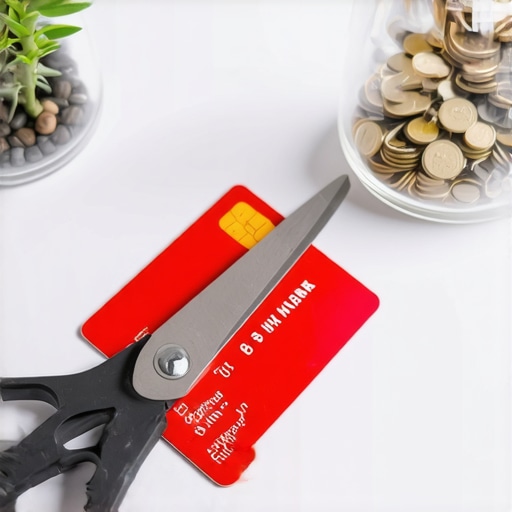
The ‘Store-Card’ Trap: Why That 10% Discount Costs More
I vividly remember the moment I thought I was getting a great deal at my favorite store. The smile on my face vanished quickly when I realized I was signing up for a store credit card with a tempting 10% discount on my purchase. What seemed like a smart move turned out to be a financial trap that complicated my credit profile and cost me more in the long run. That lesson was a lightbulb moment, and I want to share my experience to help you avoid the same pitfalls.
Why the Small Discount Can Lead to Big Trouble
Many shoppers, including myself in the beginning, see that tempting 10% or 15% off as a win. But what we often overlook is how these store cards can impact our credit over time. They usually come with high-interest rates, aggressive payment terms, and, unfortunately, can hurt your credit score if mishandled. I’ve seen firsthand how a small discount can lead to increased debt and lowered credit scores, making future financial goals, like buying a home or car, more difficult.
Early on, I made the mistake of opening multiple store cards to maximize discounts. That momentary saving turned into a cycle of small balances and high utilization rates—which experts say can lower your credit score. Did you know that canceling a store card after its initial use can sometimes harm your credit score even more? According to credit counseling insights, managing store credit wisely is crucial to your overall financial health.
Tackling the Root Cause Before It Takes Over
If you’ve ever felt that rush of ‘good deal’ temptation, my advice is to pause and evaluate how it fits into your broader financial plan. Those small discounts might seem harmless, but they can snowball into unmanageable debt and damage your credit profile if we’re not careful. The good news is that with some strategic planning and knowledge, you can avoid this trap altogether. Curious how? Stay tuned for our next steps, where I’ll guide you through practical techniques to protect your credit while still enjoying the perks of shopping smart.
Stop the Bleeding: Assess Your Credit Report
Begin by obtaining your free credit reports from all three bureaus at this link. Scrutinize each report for errors, outdated information, and fraudulent activity. Think of this step as a doctor diagnosing an illness—accuracy here informs your entire treatment plan.
Dispute Errors Like a Pro
Identify discrepancies such as wrong late payments, accounts not yours, or incorrect balances. Prepare a dispute letter for each error, including copies of supporting documents. Send these disputes via certified mail—this acts as your legal evidence when challenging inaccuracies. Regularly follow up to ensure corrections are made, which can swiftly boost your score.
Build Your Credit Strategically
Once inaccuracies are addressed, focus on positive activity. Consider applying for a secured credit card or a credit-builder loan; these are like planting seeds that will grow your credit over time. Keep utilization below 30%—your credit utilization ratio is a magic number that influences your score significantly. For example, if your limit is $1,000, aim to keep balances under $300.
Use Credit Wisely
Make all payments on time; late payments are like termites eroding your credit foundation. Automate payments when possible to prevent missed deadlines. If managing multiple debts, prioritize paying off high-interest accounts first—this is known as the debt avalanche method, proven to save money and improve your credit faster.
Manage Existing Debt Smartly
Consolidate multiple high-interest debts into a single lower-interest loan, if feasible. This simplifies payments and reduces stress—like organizing scattered tools into an easy-to-access toolbox. Avoid closing old accounts, as this can shorten your credit history and lower your score.
Seek Expert Guidance When Needed
If your credit situation feels overwhelming, consult a reputable credit counselor. These professionals can provide tailored strategies and help you avoid costly scams—think of them as financial coaches guiding you through a marathon, not a sprint. They can also help you establish a feasible repayment plan and track your progress.
Stay Consistent and Patient
Rebuilding credit is a marathon, not a sprint. Keep tabs on your progress through periodic checks, and stay disciplined with your financial habits. Remember, every positive action—whether paying on time or disputing an error—is like adding bricks to your credit fortress, making it stronger and more resilient.
Many people operate under common myths when it comes to managing debt and building credit. While strategies like consolidating debt or applying for credit can seem straightforward, there’s a nuanced layer that often gets overlooked. For example, the misconception that paying off all debts immediately will always boost your credit score can be misleading. In reality, paying certain types of debts too quickly might temporarily lower your score due to changes in your credit utilization or credit mix, as supported by recent studies from credit experts.When it comes to keeping your credit profile in top shape over the long term, having the right tools at your disposal can make all the difference. Personally, I rely on a combination of advanced software, strategic methods, and proactive routines to ensure my credit remains healthy and scalable. One of my go-to tools is a credit monitoring service that offers real-time alerts, like Credit Karma or Experian, which help me spot any unexpected changes immediately. These platforms are invaluable for early intervention, preventing small issues from snowballing into major setbacks.
Beyond monitoring, I utilize budgeting apps such as You Need a Budget (YNAB) because they lock me into disciplined financial habits, ensuring timely payments and optimal utilization ratios. I also set calendar reminders for bill due dates, automating payments whenever possible through my banking institution. Automating not only saves me from accidental late payments but also steadily builds my credit history — a critical factor in long-term credit growth.
On the strategic side, I frequently review my credit reports via credit counseling insights. Regular reviews help me understand my credit profile’s health and identify areas for improvement, like reducing debt or contesting inaccuracies. It’s essential to stay vigilant as the landscape evolves — for instance, the introduction of upcoming FICO model updates could redefine scoring benchmarks.
Looking toward the future, I predict a trend toward more integrated financial platforms that combine credit management with AI-driven personalized advice. These tools will likely leverage machine learning to offer targeted strategies, making credit maintenance more accessible than ever. Staying adaptable and leveraging such innovations will be key.
Ever wondered how to sustain your credit gains without turning it into a full-time job? The secret lies in consistent, intentional habits paired with smart tools.
How do I maintain my credit over time? It starts with disciplined monitoring, strategic use of automation, and continual learning — all grounded in tools that provide actionable insights. For example, setting up alerts for changes in your credit report, as discussed in debt management tips, can offer early warnings and opportunities for quick intervention.
For those serious about long-term credit health, I recommend exploring and integrating AI-powered platforms that analyze your spending and repayment patterns, then suggest tailored improvements. These systems, like Experian’s未来Credit or similar emerging solutions, are poised to become standard in personal finance management.
Don’t just take my word for it—try implementing a dedicated credit monitoring routine combined with automation. For instance, set up a monthly review with your chosen platform and automate your bill payments to keep your utilization low. Small steps like these, sustained over time, forge a resilient credit profile capable of scaling with your financial ambitions.
3 Lessons I Wish I Had Known Sooner About Credit Growth
One of my biggest lightbulb moments came when I realized that instant access to credit doesn’t mean instant financial freedom. I used to believe that paying off my debts quickly would always boost my score, but I discovered that sometimes, rushing payments can temporarily dip your credit profile. Aiming for consistent, manageable progress is smarter than quick fixes. Additionally, I learned that managing multiple store cards without strategy can backfire, increasing your debt utilization and lowering your score—quality over quantity truly matters. Finally, I found that regular, strategic use of credit monitoring tools, like credit insights, empowers you to stay ahead of potential pitfalls and maintain a resilient credit profile.
My Go-To Resources for a Stronger Financial Future
Over the years, I’ve relied on specific tools and sources that genuinely transform my approach to credit management. Resources like effective credit repair techniques have helped me understand effective strategies beyond quick fixes. I trust credit-building hacks for their practical advice on boosting scores. For ongoing monitoring, platforms like Experian or credit insights are invaluable—they alert me to changes before they become risks. These tools together form my blueprint for sustained financial health.
The Motivation to Keep Building, No Matter the Hurdle
Your credit journey is uniquely yours, and progress might sometimes feel slow or discouraging. But remember, every small step—timely payments, disputing inaccuracies, cautious use of new credit—adds up. My advice? Stay disciplined, leverage smart tools, and keep your eyes on your long-term goals. Building credit isn’t about perfection; it’s about persistence and smart habits. If I can do it, so can you. The future of your credit health depends on the consistent actions you take today. So, why not start now and watch your confidence and score grow?