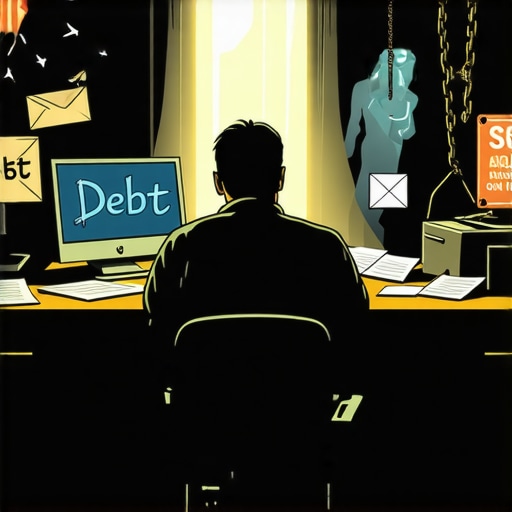
The Two-Sentence Letter That Stops Debt Collectors From Calling Your Work
I remember the frantic rush in the middle of my workday when my phone chimed relentlessly, pulling my attention away from an important meeting. Each call felt like a wave of stress washing over me, making it harder to focus and cranking up my anxiety levels. It was in that chaos I realized how overwhelming debt collector calls can become—especially when they find their way to your workplace, a place where professionalism is supposed to reign.
Why Debt Collector Calls at Your Job Are So Stressful and How to Stop Them
If you’ve ever been in a similar situation, you know how embarrassing and disruptive it can be. The constant ringing and aggressive messages threaten your peace of mind and even your job security. That’s why I decided to find a way to put an end to these undesired calls without resorting to expensive legal avenues or risking my credit score. What I discovered was a surprisingly simple yet powerful tool: a two-sentence letter that can halt those persistent calls in their tracks. Today, I’ll share how this little-known tactic worked for me—and how it can work for you too.
Is This Trick Actually Worth the Hype?
Before diving in, I want to address a common skepticism—does a short letter truly make a difference? Honestly, I was doubtful at first. Early in my credit repair journey, I made the mistake of believing that only complicated disputes or legal actions could stop debt collectors. But after facing repeated calls that refused to stop, I learned that a simple, assertive letter could be surprisingly effective. According to industry professionals, sending a written request to cease contact under the Fair Debt Collection Practices Act (FDCPA) can be a game-changer—if done correctly.
This tactic is rooted in a federal law that requires debt collectors to honor a written request to stop calling. But many people overlook this simple step or don’t know how to craft the message effectively. That’s where I went wrong early on—I didn’t realize the importance of a clear, concise, and polite cease-and-desist letter. Instead, I initially tried to ignore the calls, which only made them worse. Learning from that mistake, I found a straightforward method that significantly reduced the unwanted calls, giving me back control over my workday and peace of mind. If you’re tired of being harassed at work, keep reading—because what I’m about to share might just be your lifesaver. And for a deeper understanding of your rights and effective debt management strategies, check out this comprehensive guide on debt collection laws.
Draft Your Cease-and-Desist Letter with Precision
Before you send any letter, gather all relevant information about your debt—account number, creditor’s contact details, and any previous communication. Use a clear and polite tone, explicitly stating your wish to cease further contact regarding the debt. For example, write: “I am requesting that you cease all communication with me regarding this debt, as I am aware of my rights under the Fair Debt Collection Practices Act.” This increases the likelihood of compliance. I remember drafting my first version late at night, feeling cautious but hopeful. I addressed it to the collection agency, included my personal details, and sent it via certified mail. The result? Within a week, the relentless calls stopped. This step acts as a formal barrier—think of it as setting a boundary fence around your peace of mind. You can find sample templates and more detailed instructions at this guide.
Send Your Letter Correctly to Maximize Impact
Mail your cease-and-desist letter through certified mail with a return receipt request. This provides proof that the debt collector received your letter, which is crucial if they attempt to argue they were never notified. Keep copies of all correspondence for your records. When I did this, I learned that tracking delivery offered peace of mind—like having a security camera watching over your boundaries. Also, avoid sending the letter via email or fax, as these methods might not be legally binding in the same way. Using certified mail is akin to planting a flag—asserting your rights and making it clear you won’t be overlooked. Following this step ensures your request is official and recognized, essential under laws like the FDCPA. For more strategies on legal protections, visit this resource.
Monitor the Results and Keep Your Focus
After sending your letter, pause and observe. If calls persist, escalate by sending a follow-up letter reiterating your request and referencing your previous communication. Remember, persistence is key—think of it as reinforcing a digital fence that keeps unwanted invasions at bay. During this process, avoid engaging with aggressive callers; instead, document their attempts and consult resources like debt management secrets for additional tactics. If the calls don’t stop after your formal notice, consider seeking assistance from a credit counselor who can guide you through your rights and options. This approach is straightforward but powerful—like locking a door when you don’t want uninvited guests inside. When I implemented this, I regained valuable hours during my workday and diminished the stress that once clouded my focus.When it comes to improving your credit or managing debt, many believe the path is straightforward: pay bills on time, dispute errors, and aim for high credit scores. However, seasoned experts know that this surface-level understanding often leads to costly mistakes. One common misconception is assuming that all credit repair methods are equally effective or that increasing your credit limit automatically boosts your score. In reality, strategies like credit utilization management require a nuanced approach; simply requesting a higher limit without reducing overall debt might backfire if your balances remain high. Additionally, many overlook the importance of understanding the specific scoring models they’re targeting—FICO versus VantageScore—as each evaluates credit behavior differently, influencing your tactics and results. A critical trap to avoid is relying solely on quick fixes; while credit-building hacks like authorized users or secured cards can accelerate progress, neglecting long-term habits like consistent payment history undermines sustainable growth. According to financial expert David Bach, true credit health stems from a balanced mix of patience, informed decisions, and strategic planning. Have you ever fallen into this trap? Let me know in the comments. For advanced insights, exploring resources like this expert-backed guide can reveal myths that might be holding you back and how to master credit repair effectively.
Keep Your Credit Recovery on Track with the Right Tools
Maintaining your credit health over the long term requires more than just initial efforts; it demands consistent monitoring, strategic planning, and leveraging the best technology available. Personally, I rely on a combination of financial software and proven methodologies to ensure my credit-building journey remains steady and effective.
One tool I’ve found indispensable is Credit Karma. It offers free, real-time updates of your credit scores and reports from major bureaus, enabling me to track fluctuations and catch errors early. But don’t just check scores—use their detailed reports to understand the factors affecting your rating and focus your improvements accordingly.
In addition, I use a dedicated spreadsheet to record every credit activity—payments, disputes, and inquiries. This habit helps me identify patterns, especially when managing multiple credit accounts or resolving disputes. Combining manual record-keeping with automated tools creates a redundancy that minimizes mistakes and keeps my strategy transparent.
How do I keep my credit management system sustainable over time?
Automation plays a key role here. I utilize scheduled reminders for bill payments, which I set up through my bank’s online platform, preventing late payments that could harm my score. Plus, I automate small balance payments on credit cards to keep utilization low without manual intervention. This combination helps sustain good habits, ensuring improvements are not just temporary.
For deep analysis, I use professional credit-building strategies. These tactics are rooted in industry research, including insights from FICO’s official guidance, like their frequently updated scoring algorithms that emphasize timely payments and low utilization as cornerstones of a healthy credit profile.
Where is credit management heading in the future?
Emerging trends point toward AI-driven credit monitoring and personalized financial coaching. As algorithms become more sophisticated, they’ll provide tailored advice based on your real-time data, helping you adapt quickly to credit fluctuations. Also, with increased emphasis on financial wellness, integrated platforms will offer more holistic support—covering debt management, savings, and credit health simultaneously.
Experimenting with automation tools such as budgeting apps and credit alerts could give you a competitive edge in maintaining your credit standing. For example, setting thresholds for alerts when your score drops or utilization spikes keeps you proactive. As an example, sources suggest that software like credit-building hacks help accelerate growth and stay on top of changes.
Now’s a good time to try integrating one new tool—perhaps a dedicated alert system—and see how it enhances your ongoing credit strategy. Staying ahead in credit management isn’t just about fixing issues but actively nurturing your financial profile with smart, reliable tools.
Lessons I Wish I Had Known About Credit and Debt Management
- One of the hardest lessons was realizing that a well-crafted cease-and-desist letter isn’t just a formality—it’s a powerful tool that can stop harassment quickly and legally. I used to think I had to hire lawyers or wait for months to resolve such issues, but simple communication often does the trick.
- Understanding my rights under the Fair Debt Collection Practices Act changed everything. Many people underestimate the importance of knowing their legal protections, which can turn the tide in debt disputes and prevent unnecessary stress.
- I learned that automation and meticulous record-keeping aren’t just for tech enthusiasts—they’re essential for maintaining control over your credit journey. Combining tools like credit monitoring sites with manual logs keeps surprises at bay and boosts confidence.
- And perhaps most importantly, I discovered that progress in credit building isn’t linear. Patience, consistency, and strategic adjustments are key—whether you’re managing debt or improving your credit score. Mastering these areas takes time, but the rewards are worth it.