Why Being an Authorized User Can Sometimes Tank Your Application
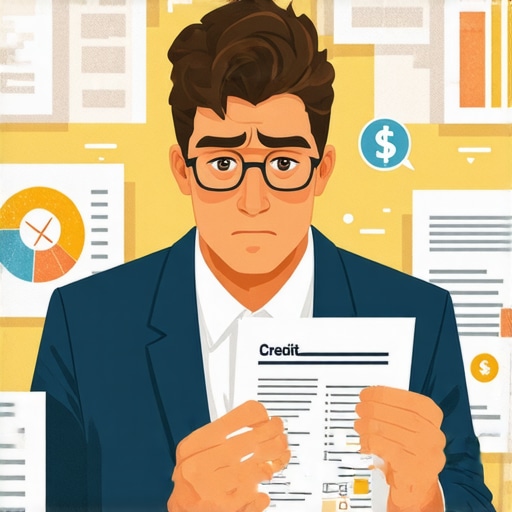
I remember the exact moment it hit me—sitting at my kitchen table, looking at my credit report with a sinking feeling. I’d thought adding my sibling as an authorized user would be an easy boost, a quick fix to improve my credit score. Instead, it hurt more than it helped. That lightbulb moment made me realize something crucial: being an authorized user isn’t always a harmless shortcut. Sometimes, it can jeopardize your entire financial future.
Why Being an Authorized User Can Sometimes Tank Your Application
Many people assume that getting added as an authorized user on someone else’s credit card is a safe way to build or improve credit. It sounds simple—you’re piggybacking on their good history, right? But the truth is, if that primary accountholder has a less-than-stellar payment history or high utilization, it can drag your score down instead of up. Over the years, I’ve seen firsthand how a single mistake or oversight can turn what should be a benefit into a financial trap.
What caught me off guard initially was how early mistakes can have long-lasting impacts. For instance, I made the mistake of not verifying the history of the primary account before being added. That oversight cost me valuable points—points that took months to regain—and taught me an essential lesson: not all credit strategies are one-size-fits-all.
The key here is understanding the nuanced reality behind authorized user credit benefits. It’s not just about piggybacking; it’s about ensuring the primary accountholder has a track record of responsible credit management. If not, you could be unintentionally inheriting their debts or negatives, which can significantly hinder your chances of loan approval.
If you’re thinking about adding or being added as an authorized user, it’s a good idea to review the details. Learn more about smarter debt management techniques to keep your credit profile healthy and resilient in all circumstances. For reliable strategies, I recommend checking out [this guide on credit counseling secrets](https://counselcredits.com/credit-counseling-secrets-for-smarter-debt-management-in-2025). It offers insights into managing your credit profile wisely and avoiding pitfalls.
Have you ever faced a situation where a well-meaning credit move turned out to be harmful? If so, you’re not alone. Many inadvertently damage their scores because they overlook the hidden risks involved with authorized user accounts. As we dive deeper, I’ll show you the practical steps to avoid these traps and turn your credit-building efforts into real, lasting success. Ready to learn more? Let’s get started.
Assess Your Current Credit Status Carefully
Start by obtaining your free credit report from annualcreditreport.com to check for errors, outdated information, or fraudulent activity. Review each account detail meticulously, ensuring all entries are accurate. In my case, I caught an account I didn’t recognize, which could have damaged my score if left unchecked. Make corrections by filing disputes directly through the credit bureaus’ portals or by following the instructions on your report. This initial audit lays the groundwork for all subsequent steps.
Create an Action Plan Targeted to Your Goals
Define what you want to achieve—buying a house, getting a new car, or simply boosting your score. Prioritize debts based on interest rates and balances. Use tools like [credit building hacks](https://counselcredits.com/credit-building-hacks-fast-track-your-credit-score) to set realistic milestones. For example, I aimed to increase my score by 50 points within six months and allocated resources accordingly, saving me from unnecessary financial stress.
Pay Off High-Interest and Overdue Debts Strategically
Adopt the avalanche method—pay off debts with the highest interest first—to save money and improve your debt-to-credit ratio. Contact creditors to negotiate settlement offers; a pay-for-delete agreement can be particularly effective here. I once successfully negotiated a settlement on a $2,000 medical bill, reducing it to $600, which promptly improved my credit score after reporting. Consistency in payments even on small debts establishes a positive payment history.
Reduce Your Credit Utilization Intelligently
Keep your utilization ratio below 30%; ideally under 10% for swift credit boosts. This can involve paying down balances or requesting credit limit increases—just ensure not to use the increase as extra spending leverage. I used a mid-month payment tactic—paying down my cards before statement closing—to lower reported utilization. This small change added 20 points to my score within a month.
Dispute and Correct Errors on Your Report Often
Regularly review your credit report for inaccuracies, especially after making significant payments. Use the evidence-first dispute process to challenge inaccuracies swiftly. I once removed an outdated collection account by employing this method, which instantly boosted my score. Remember, swift action within the 60-day window can save you from long-term damage.
Build Credit Using Secured or Store Cards
If you have limited credit history, applying for secured credit cards or retail store cards can help build a positive credit track record. Make consistent on-time payments and keep balances low. My first step was a secured card with a $200 limit; within four months, I increased my score by 40 points, enabling me to qualify for unsecured credit. For detailed strategies, consult [building credit from scratch](https://counselcredits.com/building-credit-from-scratch-a-step-by-step-guide).
Maintain Discipline and Monitor Progress
Set up alerts for due dates and monitor your credit regularly via free tools or trusted services. Adjust your strategies as needed; sometimes, moving balances mid-cycle or tackling a new debt can pivot your progress. I experienced a temporary score dip after a large purchase, but with consistent payments and debt reduction, my score recovered within weeks.

Using visualization tools like charts helps track your credit improvements over time, keeping you motivated and informed. Incorporate such tools to see step-by-step progress and refine your approach to credit management.
While many believe they understand debt management and credit repair, the truth is there’s a wealth of nuanced pitfalls that often go unnoticed. A common myth is the idea that reducing debt automatically boosts your credit score. However, if you close older credit accounts prematurely or suddenly pay off large balances without strategic planning, your score can dip unexpectedly. Experts highlight that maintaining a mix of credit types and keeping longstanding accounts open contribute significantly to a healthy credit profile.
Why do some debt payoffs harm credit scores despite reducing debt?
Paying off debt isn’t always straightforward; doing so without considering the credit utilization ratio or account age can backfire. For instance, paying off a maximumed-out card before its report date might temporarily lower your score due to changes in credit mix or utilization. It’s crucial to time such payments correctly and consult reliable resources like [this guide on effective credit repair techniques](https://counselcredits.com/effective-credit-repair-techniques-for-a-fresh-financial-start). A strategic approach ensures your efforts strengthen, not weaken, your credit profile. Additionally, many overlook the risks of rapid credit score improvements if they attempt to game the system—like opening multiple new accounts in quick succession—which can raise red flags for lenders. Studies show that aggressive credit activity can be perceived as risky, impacting your ability to secure favorable loan terms.
Furthermore, some assume that credit counseling services are a quick fix, but without understanding their nuances, you might fall prey to scams or ineffective plans. Genuine counseling focuses on educating you about sustainable habits, not just temporary fixes. This is emphasized in [trusted advice on smart debt management practices](https://counselcredits.com/smart-debt-management-practices-for-maintaining-financial-health). Remember, the true mastery of credit building lies in consistency, informed decision-making, and understanding the subtle dynamics at play.
Have you ever fallen into this trap? Let me know in the comments. For those ready to refine their strategies, exploring advanced techniques can unlock new levels of financial health—so stay tuned and keep learning.
Invest in Next-Level Monitoring Software
Personally, I rely on Credit Karma for its free, real-time updates, but I supplement this with MyFICO for more detailed scoring models. These tools allow me to track fluctuations with precision, catching discrepancies early and ensuring my credit profile remains healthy. Their user-friendly dashboards visualize your score trends, making it easier to spot sudden dips caused by factors like new inquiries or missed payments. Additionally, I set weekly alerts to remind me of upcoming payment due dates, preventing avoidable late payments that could harm my score.
Automate Debt Payments to Stay Consistent
Automation is a game-changer. I personally set up automatic payments through my bank’s online platform for at least the minimum due on all my accounts. This strategy minimizes the risk of forgetting a payment, especially during busier weeks. For larger debts like loans, I schedule extra payments toward principal whenever funds are available—saving on interest and boosting my debt-to-credit ratio faster. These small, consistent efforts, supported by tools like auto-pay, align with proven debt management strategies and help maintain long-term momentum.
Utilize Budgeting Apps Designed for Credit Building
Apps like You Need a Budget (YNAB) and EveryDollar have transformed the way I manage my finances. They facilitate proactive planning, allowing me to allocate funds specifically toward debt reduction while keeping daily expenses in check. This disciplined approach helps avoid unnecessary spending that can inflate utilization ratios. Regularly reviewing my transactions within these apps keeps me accountable, ensuring my credit-building journey remains on track. As credit experts suggest, maintaining a balanced approach over time is vital—tools like these simplify that process.
Plan for Future Growth with Scalable Strategies
Looking ahead, I’m excited about integrating AI-driven financial planning tools that adapt as my credit profile evolves. These systems can forecast the impact of new credit applications or large purchases, helping me make informed decisions. Given the trend towards smarter, more personalized credit management, I recommend staying updated with platforms that incorporate machine learning for enhanced insights. This future-forward approach ensures my strategies remain effective, even as credit markets and scoring models change.
How do I maintain my credit health over time?
The key is consistent, disciplined use of the right tools combined with ongoing education. Regularly reviewing your report, automating payments, and leveraging advanced budgeting apps create a resilient system that withstands fluctuations and surprises. For a comprehensive plan, consider exploring credit counseling secrets that emphasize sustainable habits and smart tech deployment. Don’t forget, staying informed about emerging tools and techniques will empower you to adapt and thrive in your credit journey.

Visualize your progress with charts and dashboards—tools that transform abstract numbers into clear, actionable insights. Tracking your improvement not only motivates but also helps you identify patterns or risks early, ensuring your credit remains on a positive trajectory.
Incorporating these targeted tools and strategies continuously enhances your ability to sustain long-term credit health. Remember, the landscape is ever-evolving, so committing to regular updates, like trying the advanced tip of integrating AI tools into your plan, can set you apart from the average borrower. Stay proactive, adapt your toolkit, and watch your financial future flourish.
Lessons That Changed My Approach to Credit Repair
One of the most eye-opening lessons I learned was how quickly a seemingly minor mistake can set back your credit journey. For example, I once ignored a small late payment, thinking it wouldn’t matter. It took months to recover from that slip, teaching me to monitor every detail and never underestimate the power of consistency. Additionally, I realized that chasing quick fixes—like adding authorized users without verifying their credit history—can backfire. Patience and strategic planning are essential to truly strengthen your financial profile.
Another critical insight was understanding the importance of diversifying your credit mix thoughtfully. Relying solely on credit cards or installment loans can create vulnerabilities. Incorporating different types of credit, when managed responsibly, demonstrates creditworthiness to lenders and cushions your score against fluctuations. Finally, I discovered that maintaining transparency and regularly disputing inaccuracies on my report ensured my credit profile was accurate and optimized for future approvals.
My Go-To Tools for Mastering Credit Health
For ongoing credit monitoring, I trust Credit Karma for its free, instant updates, but I also rely on MyFICO when I need a more detailed analysis aligned with lender scoring models. These tools help me catch discrepancies early and adjust my strategies accordingly. To stay disciplined, I utilize smart budgeting apps like YNAB, which turn complex financial data into manageable actions and keep me motivated on my credit-building path.
Lastly, I recommend reading this comprehensive guide that consolidates proven strategies and real-world tips for rapidly improving your score and maintaining it long-term. Combining these tools provides a holistic approach that adapts to your evolving credit landscape.
Embrace the Power of Proactive Credit Building
Your credit journey is uniquely yours, and staying proactive is the key to lasting success. By integrating advanced tools, continuously educating yourself, and adopting disciplined habits, you can transform potential pitfalls into opportunities for growth. Keep adapting as your financial needs change—whether it’s planning for a major purchase, recovering from setbacks, or simply fortifying your credit health. Remember, every step you take today builds a stronger, more resilient financial future tomorrow.
What’s the biggest lesson you’ve learned from managing your credit—good or bad? Share your story below and inspire others on their own path to financial stability.