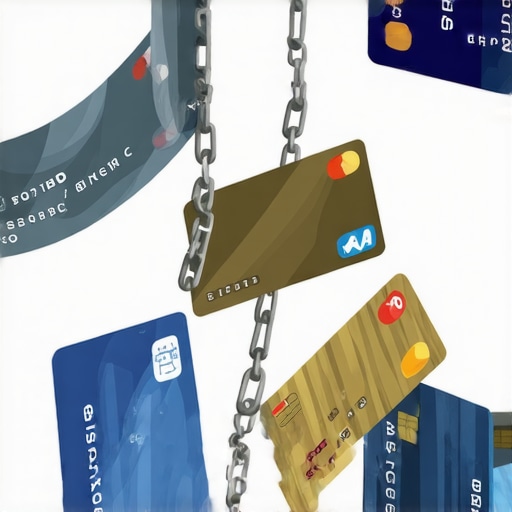
Why Consolidation Loans Are Usually a Band-Aid for Spending Habits
I remember the moment vividly—staring at my mounting credit card bills, feeling that knot tighten in my stomach, and thinking, “Maybe a consolidation loan can help me breathe easier.” It was a lightbulb that flickered on after I realized I was merely patching a deeper problem: my spending habits. I had convinced myself that rolling all my debts into a single payment would be the magic bullet, the quick fix to my financial chaos. But deep down, I knew it was more like slapping a bandage on a wound that still needed genuine care.
The Promise of a Real Financial Remedy
In this post, I want to share insights from personal experience and expert advice to help you see beyond the tempting allure of consolidation loans. We’ll explore why these options often serve as a temporary fix rather than a lasting solution. My goal is to guide you towards understanding the root causes of debt and how to really improve your financial health—not just hide the symptoms.
Is Relying on Consolidation Loans Just Putting Off the Hard Work?
I made the mistake early on of thinking that a consolidation loan would automatically resolve my debt issues. Instead, I found myself sinking deeper into the same spending patterns, just with a new loan in my name. It’s a common trap—people believe that simplifying payments is the same as addressing the underlying habits that got them into debt. Experts warn that without changing how you handle money, you risk cycling through the same financial pitfalls again and again. According to financial psychologist Dr. Brad Klontz, debt is often rooted in emotional and behavioral patterns we haven’t confronted.
If you’ve ever felt the fleeting relief of consolidating debt but then found yourself back in the same place months later, you’re not alone. This realization was my wake-up call. So, what’s the real solution? The good news is, you don’t have to stay stuck in this cycle. There are proven strategies to reshape your spending habits and rebuild your credit from the ground up. Ready to learn more? Keep reading, because I’ll walk you through practical, achievable steps to regain control over your financial future.
Create a Budget That Works for You
The first concrete step is setting up a realistic budget. I remember when I sat down with my bank statements, tallying every expense—from rent to coffee. Use a simple spreadsheet or budgeting app to categorize your spending. Prioritize essential payments like rent, utilities, and minimum debt payments. This clarity helps prevent overspending and directs funds toward debt reduction. Regularly updating your budget keeps you aware of your financial flow and highlights areas to cut back.
Address High-Interest Debt First
Focus on paying off high-interest credit cards and loans before consolidating or applying for new credit. For instance, I listed all my debts in a spreadsheet, sorted by interest rate. I targeted the highest rates with accelerated payments, saving money on interest and reducing total debt faster. Consider techniques like the avalanche method, which directs extra funds to the most expensive debt, or the snowball method for quick wins. This disciplined approach accelerates your debt payoff and improves your credit profile.
Negotiate with Creditors to Lower Rates or Payments
If you’re overwhelmed, contact your creditors directly through [Counsel Credits](https://counselcredits.com/contact-us). Explain your situation honestly—many lenders prefer a revised payment plan over default. Negotiation can lead to lower interest rates or extended repayment terms, making monthly payments more manageable. Remember, persistence pays off. Could you be missing out on negotiating a hardship plan? It’s worth trying, especially if you’ve experienced income loss or unforeseen expenses.
Build or Rebuild Your Credit Profile
Establishing good credit takes time, but strategic actions speed up the process. Consider applying for a secured credit card; make small purchases and pay them off in full each month. This demonstrates responsible credit use. If you’re starting from scratch, [Building Credit from Scratch](https://counselcredits.com/building-credit-from-scratch-what-you-need-to-know-in-2025) offers proven strategies. Remember, keeping your credit utilization below 30% and paying on time are key factors in boosting your score. I learned this firsthand when I kept my balances low, and over several months, my score increased steadily.
Monitor Your Credit Report Regularly
Checking your credit report helps identify errors, fraud, or outdated information hindering your progress. Use free tools or annualcreditreport.com to review your reports from major bureaus. Dispute inaccuracies promptly through [effective credit repair techniques](https://counselcredits.com/effective-credit-repair-techniques-for-a-fresh-financial-start). During my review, I found an outdated late payment record, which I disputed online, leading to its removal and a small score boost. Regular monitoring keeps you proactive and aware of your credit status.
Practice Smart Credit Usage Daily
Small habits have big impacts. Use your credit card for regular, manageable expenses—like groceries—then pay the balance in full. Automate payments when possible to avoid late fees. For example, I set up automatic payments for my utilities and credit card, which prevented missed payments. Over time, this consistency built a positive payment history, reinforcing good credit behavior. Remember, responsible usage and timely payments are your best tools for credit growth.
Seek Professional Guidance When Needed
If the process feels overwhelming, consider reaching out to [credit counseling](https://counselcredits.com/smart-credit-counseling-how-to-rebuild-your-financial-life). Professionals can help craft personalized strategies, negotiate with creditors, or set up debt management plans. In my case, consulting with a credit counselor gave me clarity and accountability, making my debt payoff more structured. Don’t hesitate to ask for expert help; it can be a game changer on your journey to financial health.
While many believe that simply paying down debt or opening new credit accounts is enough to improve credit scores, these shortcuts often overlook critical nuances that can hinder genuine financial progress. For example, relying solely on credit utilization ratios without addressing the underlying spending habits can give a false sense of security. Experts warn that superficial fixes may not lead to long-term credit health, especially if the behavioral triggers behind debt accumulation remain unexamined. In fact, a study published by the Consumer Financial Protection Bureau highlights that debt management strategies ignoring emotional and behavioral factors are less effective over time.
A common myth is that opening multiple credit accounts quickly boosts your score. However, this can backfire if it results in multiple hard inquiries or increases the perception of risk to lenders. Similarly, some believe that credit counseling services are quick fixes; in reality, their effectiveness depends on addressing root causes, not just repackaging debt. It’s crucial to approach credit repair with a nuanced understanding that includes reviewing your credit report for errors, understanding the impact of each action on your score, and recognizing the importance of sustainable habits.
### What pitfalls do most overlook in advanced credit repair techniques?
Many focus on credit disputes or debt settlement without considering the long-term implications on credit history length or account age, which are vital components of a credit score. Disputing outdated or incorrect entries can be beneficial, but overdoing it might lead to temporary score fluctuations or suspicion from lenders. Additionally, some strategies like rapid account closures or frequent inquiries can inadvertently damage your credit profile, counteracting perceived benefits. Always remember, consistency and patience are key—forcing quick fixes often results in setbacks.
An often-missed aspect is the role of personalized plans tailored to your unique financial situation rather than generic advice. Consulting with a professional via [credit counseling](https://counselcredits.com/smart-credit-counseling-how-to-rebuild-your-financial-life) can uncover personalized insights that online tips miss. This approach helps you avoid common pitfalls, such as neglecting to monitor credit reports regularly or misjudging the significance of certain negative marks. Prioritizing a balanced and informed strategy ensures that your efforts lead to genuine, lasting improvements in your credit health.
Are you aware of how these hidden nuances can impact your journey? It’s essential to dig deeper and avoid the simple traps that many fall into. If you want expert guidance tailored to your circumstances, consider reaching out through [this contact page](https://counselcredits.com/contact-us-2). Recognizing and addressing these overlooked aspects can make the difference between temporary fixes and durable financial stability. Have you ever fallen into this trap? Let me know in the comments.Keeping your credit in check over the long term requires more than just initial effort; it demands the right tools and consistent habits. I personally rely on a combination of specialized software and strategic methods to ensure my financial health stays on track. One indispensable tool I’ve found is the credit monitoring service ‘CreditWise.’ It provides real-time alerts whenever there’s activity on my credit report, allowing me to catch errors or fraudulent activity immediately. Unlike generic alerts, CreditWise integrates seamlessly with my financial planning, giving me peace of mind and actionable insights every month.
How do I maintain credit health over time?
For ongoing debt management, I swear by [Debt Management Secrets](https://counselcredits.com/debt-management-secrets-tackle-debt-before-it-takes-over), which offers effective strategies for reducing debt without overwhelming your income. I also set automated payments for all recurring bills through my bank’s online platform, which eliminates late payments—a critical factor in maintaining a high credit score. Additionally, I schedule quarterly credit report reviews, making it a habit rather than a chore. This proactive approach has saved me from surprises and kept my credit profile clean and healthy.
To strengthen and rebuild credit, I use the principles outlined in [Mastering Credit Building](https://counselcredits.com/mastering-credit-building-proven-strategies-for-a-strong-financial-future). This involves applying for secured credit cards, which I use responsibly in combination with credit-building apps such as Experian Boost to improve my credit utilization ratio. Regularly updating my budget with a tool like YNAB (You Need A Budget) helps me allocate funds toward debt payoff and savings, making long-term growth achievable and measurable.
For those serious about scaling their efforts, I recommend keeping an eye on emerging trends like AI-powered credit analysis. Experts predict that AI will soon recommend personalized strategies almost instantaneously, making debt and credit management more intuitive and tailored. Staying ahead means adopting tools that utilize technology for smarter decision-making.
Why tracking progress matters in credit health
One of the less obvious but crucial steps is monitoring your credit report for errors or fraudulent activity. Not only does this help prevent identity theft, but correcting inaccuracies can also give your score a quick boost. Disputing errors through [effective credit repair techniques](https://counselcredits.com/effective-credit-repair-techniques-for-a-fresh-financial-start) is a step I highly recommend repeating periodically, especially after close account closures or major financial changes. Remember, consistency in using these tools and techniques is what turns small successes into lasting results. Don’t forget to try automating your payments and alerts today—it’s a game changer in the journey toward financial stability. As an additional tip, set monthly reminders to review your report, ensuring your credit remains aligned with your goals and always under your control.
Three Surprising Truths About Building Credit and Managing Debt
One of the most eye-opening lessons I learned was that credit scores are more about habits than just numbers; consistent responsible behavior beats quick fixes every time. Another realization was that most so-called “quick fixes,” like rapid credit repair schemes or aggressive debt settlement, often do more harm than good in the long run. Lastly, I discovered that emotional and behavioral patterns—like impulse spending or avoiding financial tasks—are at the root of most credit challenges, making habits the real key to lasting change.
My Go-To Tools and Resources for Sustainable Financial Growth
I’ve come to rely heavily on trusted resources like [effective credit repair techniques](https://counselcredits.com/effective-credit-repair-techniques-for-a-fresh-financial-start) to guide my repair strategies. My secure credit card from [Building Credit from Scratch](https://counselcredits.com/building-credit-from-scratch-what-you-need-to-know-in-2025) served as a practical stepping stone, while tools like CreditWise keep me vigilant against fraud and errors. Additionally, [Debt Management Secrets](https://counselcredits.com/debt-management-secrets-tackle-debt-before-it-takes-over) taught me the importance of structured debt reduction without feeling overwhelmed. These tools collectively form my essential toolkit for ongoing financial health.
Keep Moving Forward: Your Next Step Could Be a Game-Changer
The journey to strong credit and manageable debt isn’t about perfection—it’s about persistence and informed actions. Every small step, like automating payments or regularly reviewing your credit report, builds a momentum that can transform your financial future. Remember, your credit health is worth the effort; the confidence and stability it affords are priceless. Are you ready to take the next step? Share your thoughts or ask questions below—your path to financial empowerment starts now.