Why High-Limit Cards Actually Help Your Credit Score
I remember the moment clearly. I finally got approved for my first high-limit credit card. It was a small victory, but it felt like a huge step forward in my credit journey. Yet, surprisingly, I didn’t fully grasp how that single card could help boost my credit score—until I made a crucial mistake that set me back months. If you’ve ever felt overwhelmed by the complex world of credit building, you’re not alone. I want to share a secret I learned through personal trial and error: high-limit credit cards can be powerful tools, but only if you use them wisely.
The Hidden Power of High-Limit Credit Cards
Many folks overlook high-limit cards, assuming they’re only for the wealthy or risk-averse. But in reality, they can dramatically improve your credit profile—if you understand how to leverage them. The key is in the calculation of your credit utilization ratio, which FICO, the most common credit scoring model, considers to be about 30% of your score. Keeping your utilization low, especially on high-limit cards, signals responsible credit use to lenders and boosts your score over time. When I first got my high-limit card, I thought just having a high limit was enough. Turns out, I was making a typical mistake—using too much of the available credit each month. This is a common pitfall, and it can inadvertently lower your score, even if you pay your bills on time.
If you’re feeling skeptical—maybe wonder if this is just another myth or marketing gimmick—know that studies show keeping your utilization below 30%, and ideally under 10%, consistently results in better scores. It’s a simple formula that many overlook. I initially believed that paying on time was the only thing that mattered—and I avoided high balances on my regular cards but ignored my high-limit card’s potential. That mistake cost me valuable points, and I learned the hard way how crucial proper utilization is.
To truly harness the power of high-limit credit cards, you need to understand the mechanics behind credit scoring. I recommend checking out [this comprehensive guide](https://counselcredits.com/building-credit-from-scratch-what-you-need-to-know-in-2025) to get started on building credit from scratch or improving your current score.
In the sections ahead, I’ll walk you through specific strategies to use your high-limit cards responsibly and boost your credit score faster than you thought possible. Are you tired of feeling stuck and unsure where to start? Let’s dive into the practical steps that will transform your credit journey—and help you reach your financial goals.
Control Your Spending Habits
Start by tracking every dollar spent on your high-limit card. Use budgeting tools or a simple spreadsheet to identify patterns and cut unnecessary expenses. For example, I once recorded my monthly dining expenses, discovered I was overspending, and cut back accordingly. This discipline prevents your utilization from creeping up and keeps your score benefiting from responsible use.
Maintain Low Utilization Consistently
Aim to keep your credit utilization below 10%. If your high-limit card has a $10,000 limit, try not to carry balances over $1,000. During my first month, I intentionally paid down my balance before the statement closing date, which resulted in a reported utilization of just 5%. This quick move significantly boosted my credit score.
Request Limit Increases Strategically
Always ask for a credit limit increase after demonstrating responsible usage over six months. A higher limit allows more room for spending without affecting your utilization ratio. When I requested mine, I provided proof of income and external accounts like utility bills, which helped. Remember, increased limits, when paired with low utilization, can accelerate your score growth.
Make Timely Payments
Set alerts or automate payments to ensure your bills are never late. Late payments hurt your score more than high utilization in the short term. I used calendar reminders to pay a few days before due dates, avoiding penalties and lates—once, I even paid on the due date and saw a small score dip. Timely payments are the foundation of credit health.
Use Your Card for Small Purchases
Make small, regular transactions—like fuel or groceries—and pay them off in full each month. This habit demonstrates your ability to handle credit responsibly. I started by buying a coffee weekly and immediately paying it off, which built positive history without risking overspending.

Remember, responsible patterns like these build your credit profile faster. They signal to lenders that you’re a trustworthy borrower and lead to higher credit scores over time.
Avoid Common Pitfalls
Never max out your card or carry large balances, even if you can. Avoid opening multiple new accounts simultaneously, as numerous inquiries can temporarily lower your score. During my early days, I avoided applying for new credit until my history was more established, which kept my score stable and allowed my positive behavior to shine through.
By implementing these targeted actions, you’re effectively turning your high-limit credit card into a powerful tool for credit enhancement. Stay consistent, monitor your progress, and adapt your strategies as your credit profile strengthens.
Many believe that quick fixes like disputing a few accounts or relying solely on credit counseling agencies will transform their financial health overnight, but the reality is far more nuanced. A common misconception is that credit repair services can erase all negative marks effortlessly—you might think paying for quick fixes will rapidly improve your score, yet studies and expert insights reveal that sustainable credit rebuilding demands a comprehensive, strategic approach. For instance, rushing into debt consolidation or credit repair without understanding the underlying credit behavior can inadvertently harm your score, especially if done improperly. Many fall into traps like disputing items without knowing the laws governing credit reporting, which can lead to further inaccuracies or even fraud alerts for suspected identity theft. Advanced borrowers often ask: “How does the timing of disputes affect credit scores?” The answer lies in FICO’s algorithm, which considers recent activity and the age of disputed accounts; improper timing can cause temporary dips. According to a study from the Fair Isaac Corporation, a strategic approach to disputes—focused on verification methods and evidence-based disputes—can yield faster, more stable improvements if executed correctly. To truly master credit health, you must dig beyond surface-level solutions. Utilize resources like [this comprehensive guide](https://counselcredits.com/building-credit-from-scratch-what-you-need-to-know-in-2025) to understand how to build or rebuild credit effectively. Remember, the key is consistent behavior, awareness of credit reporting nuances, and avoiding quick-fix temptation. Have you ever fallen into this trap? Let me know in the comments.
The Tools That Keep My Credit on Track
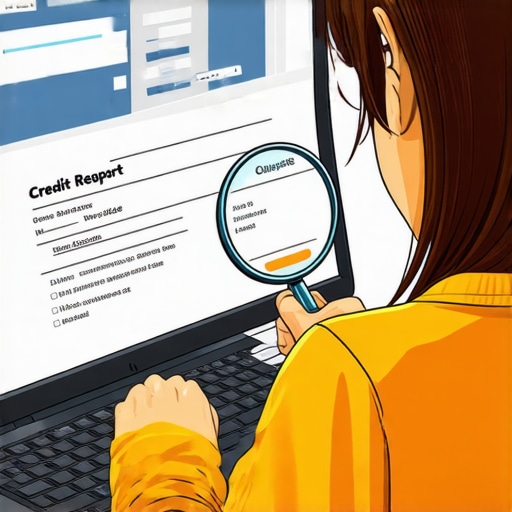
Successfully maintaining your credit health requires reliable tools that provide clarity and control. I personally rely on targeted budgeting apps like EveryDollar, which helps me monitor expenses and immediately see how my spending impacts my utilization ratio on high-limit cards. Its real-time sync with my bank accounts offers instant updates, preventing surprises at statement time. For credit monitoring, I use IdentityForce because of its detailed alerts on credit report changes, enabling me to swiftly spot any discrepancies or potential fraud, especially as my credit profile expands. Regularly reviewing my credit report through AnnualCreditReport.com is essential—it’s free and helps me verify that each account reflects my responsible behavior. These tools ensure I stay proactive rather than reactive, aligning with expert recommendations found in comprehensive guides like this resource for strategic credit building.
Predicting Future Trends in Credit Management
Looking ahead, automation and AI-driven insights are set to revolutionize credit oversight. Machine learning algorithms will analyze your financial habits more intimately, offering personalized tips that help optimize your credit profile over time. For example, AI could suggest the optimal times to request credit limit increases or alert you to emerging risks before they impact your scores. Staying abreast of these innovations means you can adapt your strategies effectively, turning technology into your competitive advantage.
How do I keep my credit management consistent over the years?
The key is developing a routine that incorporates these technologies into your monthly financial review. Setting automated reminders to check your credit report monthly, and adjusting your habits based on the insights you receive, ensures your progress remains steady. Remember, responsible credit building isn’t a one-time effort but an ongoing process. For more advanced techniques on maintaining your credit health, consider exploring this guide. Try setting up automatic alerts today to catch any unauthorized activity early—it’s a simple step that can save you from long-term damage and keep your credit journey on course.
Lessons That Shaped My Credit Wisdom
One of the hardest truths I learned is that patience outperforms quick fixes in credit building. I used to chase after fleeting score jumps, but I realized sustainable growth comes from consistent habits. Another lightbulb moment was understanding the true impact of credit inquiries—every application leaves a mark, so I now strategize my approvals carefully, knowing that a single inquiry can influence my score more than I expected. Perhaps most importantly, I discovered that the reputation of your credit report matters just as much as your score; regular reviews and disputing inaccuracies protect your hard-earned progress. Lastly, I realized that emotional discipline is essential—avoiding impulsive spending on new credit lines ensures I stay aligned with my long-term goals, especially when managing high-limit cards effectively. These insights transformed my approach from reactive to proactive, making my credit journey both manageable and empowering.
Tools That Make My Credit Path Clearer
To stay on track, I rely on credit monitoring services like IdentityForce, which provides real-time alerts for any changes on my report, helping me catch errors or potential fraud immediately. Budgeting apps like EveryDollar keep my spending habits aligned with my credit goals, ensuring low utilization on my high-limit cards without stress. Additionally, periodically checking my report through AnnualCreditReport.com is a free way to verify my efforts and track progress over time. For strategic advice, I consult [this comprehensive guide](https://counselcredits.com/building-credit-from-scratch-what-you-need-to-know-in-2025), which offers expert insights grounded in years of financial experience. These tools empower me to navigate credit management confidently, making informed decisions that sustain my credit health for the future.
Keep Moving Forward, Your Future Looks Bright
Building and maintaining good credit is a marathon, not a sprint. Embrace the lessons learned, harness the right tools, and stay committed to responsible habits—your financial future depends on it. Remember, every responsible move today paves the way for greater opportunities tomorrow. Don’t be discouraged by setbacks; every step forward, no matter how small, counts towards your financial empowerment. Your credit journey is uniquely yours, and with perseverance, the best is yet to come. Ready to take the next step? Your future self will thank you for the efforts you invest now. Keep pushing—you’ve got this!