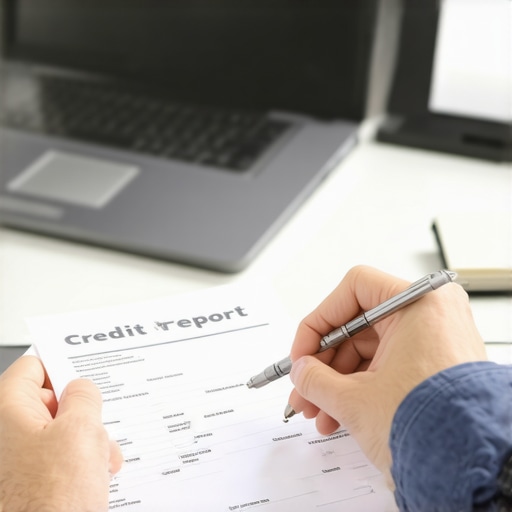
Why You Should Check Your Credit Report Every Month
Ever had that sinking feeling when you realize your credit score isn’t moving despite paying your bills on time? I’ve been there—frustrated, confused, and questioning if all my efforts were worth it. Then came a lightbulb moment: I wasn’t monitoring my credit report closely enough. That realization changed everything.
Why I Started Paying Closer Attention to My Credit Report
One day, I discovered a suspicious account on my report—an account I never opened. It was a rude awakening. If I hadn’t checked that report regularly, I might have never caught the mistake, which could have damaged my credit for years. This experience taught me the importance of reviewing my credit history every month, not just once a year.
Research supports this approach—studies show that consumers who monitor their credit regularly are more likely to identify errors, fraud, and opportunities to improve their scores. In fact, according to a 2022 report from the Consumer Financial Protection Bureau, roughly 5% of consumers’ credit reports contain errors significant enough to impact their creditworthiness. Imagine the financial advantages of catching these mistakes early!
Is Checking Your Credit Report Monthly Really Worth It?
Let me be honest—at first, I worried it would be a hassle or maybe even a waste of time. And yes, it can feel overwhelming to sift through your report, especially when you’re not sure what to look for. But the benefits far outweigh the effort. Regular monitoring helps you stay aware of your financial health, identify identity theft early, and spot any discrepancies before they cause lasting damage.
Early in my journey, I made a mistake—ignoring small discrepancies thinking they weren’t serious. Turns out, those small errors can snowball into big issues. That’s why I recommend checking detailed reports like those found on effective credit repair techniques and staying proactive about your credit profile.
In the next sections, we’ll explore how to make this habit both simple and effective. But first, ask yourself—have you ever faced a situation where checking your report could have saved you money or stress? If so, you’re not alone, and you’re about to learn how a little bit of effort each month can make a huge difference for your financial future.
,
Prioritize Your Credit Report Review
The first step is to schedule a monthly time slot dedicated solely to reviewing your credit report. Think of it like a health check-up; you wouldn’t skip it, and neither should your credit. I once set a recurring reminder, and it became a non-negotiable part of my financial routine, catching errors and suspicious activity early.
Pick Your Tools and Set Reminders
Use free resources like AnnualCreditReport.com to access your reports without hassle. Create a calendar reminder or use a budgeting app to keep your review consistent. The key is consistency—so pick the same day each month to make it habitual. Remember, it’s not enough to check once; ongoing scrutiny is the best way to stay ahead of potential issues.
Dissect Your Credit Report Like a Detective
When reviewing, imagine you’re a detective hunting for clues. Start with your personal information—look for outdated addresses or opened accounts you don’t recognize. Next, scrutinize the account details: payment history, credit limits, balances. I once found an outdated late payment mark that was dragging my score down. Disputing it through the [effective credit repair techniques](https://counselcredits.com/effective-credit-repair-techniques-for-a-fresh-financial-start) cleared the path to a higher score.
Spot and Dispute Errors Swiftly
If you find inaccuracies, document them thoroughly: take screenshots, note account numbers, dates, and descriptions. Then, file a dispute directly with the credit bureaus—experts suggest starting with a formal letter. Keeping detailed records will support your case and help expedite corrections. Remember, correcting small errors can lead to tangible improvements in your credit score.
Identify Fraud and Unauthorized Accounts
Uncovering fraudulent activity is like finding hidden weeds in your garden. It can severely damage your financial health if left unchecked. Once, I noticed an unknown account with a high balance. I immediately flagged it as suspicious and initiated a fraud report. Regular monitoring enables you to catch these issues early, potentially saving you from long-term damage.
Report Suspicious Activity Immediately
If you suspect fraud, act fast. Contact the credit bureaus, place a fraud alert on your report, and consider freezing your credit to prevent further unauthorized activity. For detailed strategies on handling debt and fraud, visit [debt management tips](https://counselcredits.com/debt-management-tips-to-navigate-financial-challenges-successfully).
Leverage Reports for Strategic Credit Improvements
Each review should be about more than fixing errors. Use your report to identify areas for growth—paying down high-utilization accounts, diversifying your credit mix, or adding positive accounts through secured credit cards. I once used insights from my report to target specific accounts for payment, which led to a noticeable score increase within months.
Develop a Customized Action Plan
Create a list of targeted actions based on your report’s insights. For example, if your utilization ratio is high, focus on paying down high-balance accounts first. For more tailored strategies, explore [fast-track credit-building hacks](https://counselcredits.com/credit-building-hacks-fast-track-your-credit-score) and [step-by-step guides](https://counselcredits.com/step-by-step-guide-to-credit-building-for-new-borrowers). Consistent, targeted efforts will accelerate your credit health.
Maintain Vigilance Beyond the Monthly Check
While monthly reviews are crucial, adopting other habits solidifies your credit health. Set up account alerts for significant changes like new inquiries or balances. Regularly monitor your bank accounts for suspicious activity, and stay informed about best practices in [smart credit counseling](https://counselcredits.com/smart-credit-counseling-how-to-rebuild-your-financial-life). Think of your credit report as a live document; the more vigilant you are, the safer your financial future becomes.
Many believe that paying bills on time and minimizing debt are enough for strong credit health, but in my extensive experience, this oversimplifies a complex system. A common myth is that rapid credit repair solutions, like quick-fix software or aggressive disputes, can rapidly boost scores. In reality, these tactics often backfire or lead to temporary gains that quickly fade without sustainable habits. Experts like those at effective credit repair techniques warn against relying solely on quick fixes, emphasizing the need for strategic, long-term approaches.
Are all debt repayment strategies equally effective for credit growth?
Contrary to popular belief, not all methods are equally beneficial. For example, while the debt snowball approach can motivate, it may not always maximize your credit score improvements, especially if high-utilization accounts are ignored. The debt avalanche method prioritizes high-interest debts, but might overlook the credit utilization ratios that heavily influence your score. Combining insights from credit-building hacks with proper debt management can produce balanced results. Overlooking these nuances is a mistake many make when attempting to accelerate their credit. Instead, developing a tailored plan based on comprehensive reports and behavioral patterns is vital. Rushing into debt consolidations or credit repair programs without understanding their long-term impact can cause more harm than good.
Furthermore, many underestimate the importance of a well-rounded credit profile. Diversification of credit types, such as installment loans and revolving accounts, plays a subtle but crucial role. As shown in studies by financial analysts, maintaining varied credit types can positively influence your overall score and financial stability. So, rather than fixating solely on lowering balances or removing negatives, focus equally on building positive, diverse credit accounts. Check out step-by-step guides for actionable strategies.
Finally, avoid the trap of neglecting the security of your personal information. Fraudulent accounts can quietly damage your credit scores, and many overlook the importance of proactive monitoring beyond monthly reviews. According to credit counseling insights, regular vigilance and swift dispute of suspicious activity are essential. The misunderstanding that only large errors matter can leave you vulnerable to persistent threats.
Have you ever fallen into this trap? Let me know in the comments. Remember, mastering credit management involves understanding these nuances and avoiding common pitfalls. By aligning your strategies with expert advice and nuanced knowledge, you can build a resilient, healthy financial future.
Keeping your credit management system efficient over time requires not only discipline but also the right tools that adapt to your evolving financial landscape. Personally, I rely on a combination of dedicated software and strategic habits to ensure my credit stays on track and continues to improve. One essential tool I swear by is Credit Karma. I use it daily to monitor my credit scores and receive personalized tips for improvement, thanks to its real-time alerts and comprehensive dashboard. The platform’s user-friendly interface makes it easy to spot fluctuations or suspicious activity without feeling overwhelmed.
Another indispensable resource is Experian’s CreditWorks, which offers more detailed credit reports and advanced analytics. I opted for this service because it provides tailored recommendations based on my unique credit profile, including insights into debt utilization and account mix that I wouldn’t get from free tools alone. By actively analyzing these details, I can prioritize paying down specific accounts or diversifying my credit mix as needed. For someone serious about maintaining long-term credit health, integrating such detailed reports into your routine is a game-changer.
Automation plays a vital role in my strategy. Setting up automatic payments ensures bills are paid on time, which is crucial for maintaining a solid payment history—arguably the most influential factor on your credit score. Additionally, I use budgeting apps like YNAB (You Need A Budget) to track my cash flow and ensure I stay within my means, decreasing the risk of high utilization that could drag my score down.
Predicting where this trend is headed, I believe we’ll see increasingly sophisticated AI-powered tools that not only analyze credit reports but also suggest personalized financial actions, forecast score trajectories, and automate dispute processes. Staying ahead involves embracing these innovations now—like regularly reviewing reports and leveraging automation—to ensure your credit remains resilient amidst economic shifts.
How do I maintain my credit health over time?
One effective method I’ve adopted is regularly challenging inaccurate entries using reliable dispute software—studies show that nearly 5% of reports contain significant errors. Investing in a tool like effective credit repair techniques can help automate this process, saving time and increasing accuracy. Remember, proactive vigilance with these tools not only protects your current score but also paves the way for future financial opportunities.
Don’t forget to keep your strategy flexible. As your financial situation changes, so should your tools and tactics. Schedule semi-annual reviews of your credit management system to evaluate new apps or services that may better suit your goals. For instance, advancing from basic monitoring to comprehensive analytics can uncover hidden opportunities for score boosts or debt reduction. Making continuous improvements ensures your credit-building journey remains on a steady upward trajectory.
Ultimately, combining consistent monitoring with strategic tool use and automation fortifies your credit foundation. Try setting a monthly calendar reminder to review your detailed reports and activate alerts for suspicious activity—small steps that yield big rewards over time. By staying vigilant and leveraging the right technologies, you’re investing in a more secure financial future that can withstand economic uncertainties and capitalize on new opportunities.

Image Prompt: Person reviewing credit report on laptop with graphs and checklists, demonstrating diligent credit management. Alt: Person analyzing credit report digitally, ensuring financial health. Title: Effective Credit Monitoring in Action.
,
The Hardest Lesson I Learned About Credit Strategies
One of the most profound lessons was realizing that quick fixes can be misleading. Relying solely on software or rapid dispute tactics often leads to short-term gains, only to face setbacks later. true credit resilience comes from long-term habits and strategic planning, not instant solutions.
3 Myths About Credit Repair That Held Me Back
I believed that removing every negative mark would instantly elevate my score, but I learned that stacking positive credit behaviors and diversifying accounts make a much bigger difference. debunking these myths was key to my financial progress.
What Experts Won’t Tell You About Credit Building
Many overlook the significance of maintaining a diverse credit profile—mixing installment loans with revolving credit—because they think only lowering balances matters. understanding the subtle influences of credit variety has propelled my score forward.