
Why You Should Never Close a Credit Card Account
I remember sitting at my kitchen table a few years back, feeling like I’d finally “arrived” in adulthood. I had just paid off my very first credit card—a beat-up piece of plastic from a local bank I hadn’t visited in years. With a smug sense of accomplishment, I called the bank and told them to close the account forever. I thought I was “cleaning house.” Boy, was I wrong. Within weeks, my credit score took a nosedive that felt like a punch to the gut. It turns out, that “responsible” move was actually a wrecking ball to my financial reputation. Today, I want to show you why that dusty plastic in your drawer is actually a gold mine for your financial future and how you can avoid the same heart-wrenching mistake I made.
Your Oldest Cards Are Secretly Protecting Your Score
When I closed that account, I didn’t realize I was essentially deleting a decade of good behavior. Lenders love to see a long history. It’s like a marriage; the longer you’ve been in it without a disaster, the more stable you look. By cutting up that card and shutting the account, I shortened my average credit age significantly. This is one of those credit building hacks that people often overlook because it feels counterintuitive to keep something you don’t use. I learned the hard way that why you should keep your oldest account open isn’t just a suggestion—it’s a fundamental rule of the game.
Wait, isn’t having fewer cards actually safer for me?
I get it. You’re worried that an open line of credit is just a temptation to overspend or a security risk. You might think that why closing a store card is often a huge mistake is just talk from people who want you in debt. But here is the reality: your credit score relies heavily on your “utilization ratio.” If you close a card with a $5,000 limit, you’ve just wiped out $5,000 of your “safety net” in the eyes of FICO. According to Experian, the length of your credit history accounts for about 15% of your total score, and the amount of available credit you use (utilization) accounts for a whopping 30%. When you close an account, you usually hurt both of those numbers at the same time. Have you ever closed an account thinking it would help, only to see your score drop the next month? You aren’t alone, and it’s a trap we are going to fix today.
We are going to dive into the specifics of how to manage these “zombie cards” without spending a dime on interest. I’ll share the exact strategy I use now to keep my old accounts active and my score climbing. If you’ve been focused on effective credit repair tips to boost your score today, keeping your accounts open is the easiest win you’ll ever find. Let’s get your financial health back on track by doing less, not more.
The Small Charge Tactic That Saves Your Score
The trick to keeping these accounts alive isn’t about spending more money; it’s about strategic automation. I call it the ‘Subscription Anchor.’ You take that dusty card, link it to one small, recurring monthly charge—like a $5 streaming service or a cloud storage fee—and then set the card’s bill to auto-pay from your checking account. This keeps the account active in the eyes of the bank so they don’t shut it down for inactivity. When I tried this with an old card I hadn’t touched in three years, I saw my score stabilize almost immediately because I was maintaining that crucial length of credit history. If you are building credit from scratch, this is a foundational habit you need to master early.
Your Available Credit acts as a Score Buffer
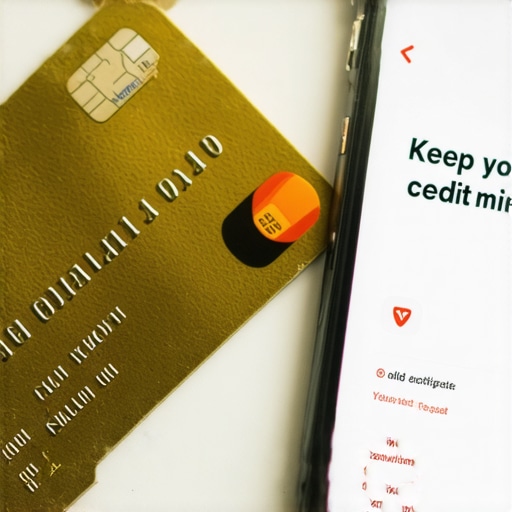
Think of your total available credit like a giant umbrella. Even if it is a sunny day and you don’t need it, the size of that umbrella determines how safe you are in the eyes of a lender. When you keep an old card open, even with a zero balance, that unused limit is added to your total pool of credit. This lowers your overall utilization ratio. For instance, if you have $10,000 in total limits and a $1,000 balance, you’re at 10% utilization. If you close an old $5,000 card, your limit drops to $5,000, and suddenly that same $1,000 balance puts you at 20% utilization. Your score takes a hit simply because your buffer shrunk. This is why the credit limit move that fixes your utilization is so powerful—it’s often about what you don’t close rather than what you pay off.
Keep the Age but Drop the Annual Fee
Sometimes the reason we want to close a card is that pesky annual fee. I had a premium travel card once that I didn’t use anymore, but the $95 fee felt like a waste. Instead of closing it and losing seven years of history, I called the bank and asked for a ‘product change’ or a ‘downgrade’ to a no-fee version of the same card. Most major banks will let you do this. You keep the same account number, the same credit age, and the same limit, but the fee vanishes. This is a core part of credit counseling secrets for smarter debt management in 2025 that the big banks don’t exactly advertise.
Vigilance prevents the dreaded zombie debt
The only danger to an open, unused card is fraud or a forgotten bill. I once missed a $2 ‘minimum interest charge’ on a card I thought was empty, and that 30-day late payment stayed on my report for years. Now, I set mobile alerts for every single account. If a charge of more than $0.01 hits the card, I get a text immediately. This level of control is essential for effective credit repair techniques for a fresh financial start. You want your money working for you, not hiding in corners waiting to trip you up. If you are struggling with older issues, knowing the best way to handle zombie debts from a decade ago can prevent these small accounts from turning into big headaches. By keeping these accounts quiet but active, you are effectively gaming the system in your favor without spending a dime on interest or fees.
If you’ve been following the standard advice, you probably think that paying off an old collection account is the ultimate way to clean up your record. But here is the nuance most ‘experts’ miss: in the eyes of the most common scoring model, FICO 8, a paid collection is often worth exactly as much as an unpaid one—nothing. While newer models like FICO 9 ignore paid collections, most lenders still use the older versions. I’ve seen people sink their last $500 into a five-year-old medical bill only to see their score stay exactly where it was. This is why the truth about those fix your credit fast ads is so important to understand; they rarely tell you which scoring model they are targeting. You need to focus on the ultimate credit repair blueprint for 2025 to actually move the needle for your specific situation.
The Sneaky Way a Tiny Payment Restarts Your Debt Clock
Then there’s the ‘acknowledgment trap.’ You get a call about a debt from six or seven years ago, and you offer to pay $20 just to get them to stop calling. Stop right there. In many states, that tiny payment resets the statute of limitations, giving the collector a brand new window to sue you. A study by the Consumer Financial Protection Bureau (CFPB) highlighted that many consumers are unaware that ‘zombie’ debts can be legally revived through simple interactions or partial payments. If you’re dealing with old balances, check out why you should never pay a debt older than 7 years before you pick up the phone. 
Why Consolidation Loans Often Lead to a Deeper Hole
Everyone says consolidation is the answer to high interest, but in my experience, it’s often a dangerous band-aid. According to a study by LendingTree, nearly 70% of consumers who took out a debt consolidation loan ended up with more total debt two years later than when they started. Why? Because the loan cleared the credit card balances, but didn’t change the spending habits. Suddenly, those cards have a zero balance and look like free money again. If you aren’t using debt management secrets to tackle debt before it takes over, you’re just moving the chairs on the Titanic. You have to address the ‘why’ behind the debt before you address the ‘how’ of the interest rate.
Will settling a debt for less than the full amount destroy my chances of a mortgage?
Many people fear that ‘settled for less than full balance’ is a scarlet letter on their report. The reality is far more nuanced. While it’s not as clean as ‘paid in full,’ most mortgage underwriters care more about the fact that the debt is resolved than the exact dollar amount you settled for. The real danger is when that settlement leads to a 1099-C tax form, which can create a whole new debt to the IRS if you aren’t prepared for it. This is a huge part of credit counseling secrets for smarter debt management in 2025. You have to look at the total financial picture, including tax implications, not just the three-digit number. By mastering these nuances, you stop being a victim of the credit system and start being its master. Have you ever fallen into this ‘paid collection’ trap? Let me know in the comments.
Stop Guessing and Start Using Real Data
I spent years obsessing over those free scores you get from banking apps, only to realize I was looking at a distorted map. If you want to actually win, you need to see what lenders see. I personally pay for a premium subscription to MyFICO because it’s the only place I can see all 28 versions of my FICO score—including the specific ones used for mortgages and auto loans. Most people rely on ‘VantageScore’ models, but as I’ve discussed before, why you should ignore the credit karma score becomes obvious when you’re denied a loan despite having a ‘750’ on your app. To stay ahead, I use the checklist method for passing a loan application audit every six months. I sit down and manually verify that my debt-to-income ratio and utilization are exactly where they need to be before I ever think about applying for new credit.
The 5-Minute Habit That Keeps Rates Low
Maintenance isn’t about massive overhauls; it’s about micro-adjustments. Every quarter, I perform what I call the ‘Rate Audit.’ I spend literally five minutes calling my card issuers to ask for a lower APR or a limit increase. It sounds simple, but the 5-minute check-in call that could cut your apr by 5 percent is a real tactic that has saved me thousands in potential interest. This habit ensures that even if I do carry a balance for a month, I’m not being penalized at 29.99%. For those who are mastering credit building proven strategies for a strong financial future, this level of proactive communication is what separates the masters from the amateurs. I also use YNAB (You Need A Budget) religiously because it forces me to give every dollar a job, ensuring I never spend money I don’t actually have in the bank.

How do I keep my score from dropping after I hit my goal?
The biggest mistake people make is reaching a 760 and then ‘retiring’ from credit management. Financial health is like physical fitness; you can’t stop going to the gym just because you hit your target weight. To maintain your gains, you need to double down on smart debt-management practices for maintaining financial health. This includes keeping your oldest accounts active, even if you only use them once a year. I predict that over the next few years, we will see a shift toward ‘cash-flow underwriting,’ where lenders look at your actual bank account transactions rather than just your credit report. John Ulzheimer, a noted credit expert formerly of FICO and Equifax, has often pointed out that the industry is moving toward more real-time data. This means your daily spending habits will soon matter just as much as your monthly payment history. If you’re serious about staying on top, I highly recommend downloading your full credit reports from AnnualCreditReport.com every quarter—not just the scores—to check for the ‘data ghosts’ that simple apps miss. Try performing one ‘Rate Audit’ call this week; the results might shock you.
What Experts Won’t Tell You About Long-Term Credit Growth
After years of trial and error, I’ve realized that the math of credit is secondary to the psychology of it. Here are the lightbulb moments that changed everything for me:
- Consistency beats intensity every time. You don’t need a massive windfall to fix your score; you need months of boring, repetitive consistency. This is the heart of mastering credit building proven strategies for a strong financial future.
- Silence is your enemy. When life hits the fan, calling your creditors before you miss a payment is a superpower. Early transparency often leads to hardship programs that protect your history.
- Automation is the only way to stay safe. I don’t trust myself to remember a $2 charge on a card I never use. Setting every single ‘zombie card’ to autopay is the only way I sleep at night.
- Your score is a tool, not your identity. Don’t let a temporary dip during a job loss define you. Focus on effective credit repair techniques for a fresh financial start and move forward with purpose.
The Resource Stack I Use to Stay Ahead
I don’t believe in guessing when it comes to my mortgage eligibility or interest rates. These are the specific tools I trust to keep my financial house in order:
- The Ultimate Credit Repair Blueprint for 2025: This is my go-to recommendation for anyone who feels overwhelmed by conflicting advice. You can find the framework here: the ultimate credit repair blueprint for 2025.
- MyFICO: While it requires a subscription, it’s the only way to see your actual FICO mortgage scores, which are often lower than what free apps show you.
- YNAB (You Need A Budget): This tool changed how I view cash flow, which is the fuel for all debt management secrets to tackle debt before it takes over.
#IMAGE_PLACEHOLDER_E#
Your Path Toward a Stress-Free Financial Life
Building a top-tier credit score isn’t about being perfect; it’s about being prepared. By keeping your old accounts active, staying vigilant about tiny charges, and refusing to fall for the ‘consolidation trap,’ you are already ahead of 90% of the population. Take it one small win at a time, and remember that smart debt management practices for maintaining financial health are meant to serve your life, not consume it. You have the tools and the knowledge now—it’s time to put them into action. Have you ever had a bank close an old account because you forgot to use it? Let me know in the comments below!