Why Your ‘Available Credit’ Is the Key to Your Score
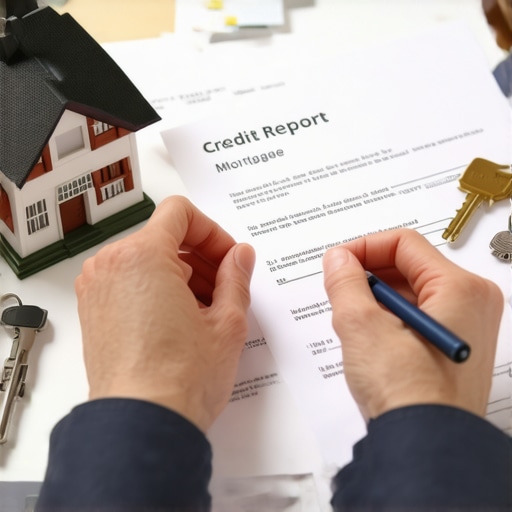
I remember staring at my credit report, frustrated and confused. Every time I tried to boost my score, I felt like I was spinning my wheels, especially because I kept missing one crucial detail—my available credit. It was a lightbulb moment when I realized that simply paying down debt wasn’t enough; I needed to understand how my credit limits and utilization impacted my score. If you’ve ever felt overwhelmed by the maze of credit advice or wondered why your scores seem stuck, you’re not alone. Today, I’m going to share a game-changing insight that transformed how I approached credit management—the power of your available credit—and how it can help you unlock better financial opportunities.
The Hidden Power of Your Available Credit
Is Your ‘Available Credit’ Actually Worth the Hype?
When I first got serious about improving my credit, I made the mistake of focusing solely on paying off debts without paying attention to my credit utilization ratio—the proportion of your available credit that you’re using. I thought clearing debt was the magic bullet, but I was slow to realize that having a high credit limit can do more for your score than paying off everything immediately. An impressive credit limit can help lower your utilization, which FICO and VantageScore algorithms prioritize when calculating your score. In fact, experts say that keeping your utilization below 30% is a best practice, and the lower, the better.
Thinking I needed to close accounts to manage debt was a mistake. Instead, I should have kept those accounts open to maximize my available credit. Early on, I also underestimated the importance of regularly reviewing my credit report for errors that could be artificially inflating my utilization. Trust me—checking your report frequently and disputing inaccuracies can make a significant difference.
Have you ever felt like you’re doing everything right but still seeing that stubborn number on your credit report? If yes, then understanding and optimizing your available credit might be the missing piece in your puzzle. For a step-by-step approach tailored to your situation, consider exploring [building credit from scratch](https://counselcredits.com/building-credit-from-scratch-a-step-by-step-guide) or [effective credit repair tips](https://counselcredits.com/effective-credit-repair-tips-to-boost-your-score-today) for practical strategies.
This is just the beginning. Let’s dive into how you can leverage your available credit to elevate your credit score and open doors to better financial products.
Set Clear Credit Goals and Review Your Report
Start by pinpointing your target credit score and understanding what actions will get you there. Obtain your free credit report weekly at no cost to identify errors or outdated info. I vividly recall pulling my report and discovering a duplicate account that inflated my utilization. Disputing this error quickly improved my score by 20 points.
Strategically Increase Your Credit Limit
Request a credit limit increase on existing cards, but do so only after demonstrating consistent payments over 6 months. Think of your credit limit as a dam; raising it allows more water (credit) to flow without overflowing your boundaries, lowering your utilization ratio. I called my card issuer after three months of on-time payments and successfully increased my limit by 50%. This lowered my utilization from 40% to under 20%, giving my score a quick lift.
Maintain Open Accounts and Manage Utilization
Keep old accounts open; they contribute to a longer average credit history and boost available credit. Close only if a card has high fees or low usage. For example, I kept my first-ever credit card open for over a decade, even when I used it infrequently, because it increased my total available credit significantly. Aim to keep utilization below 30%, ideally under 10% for optimal scores. Regularly monitor balances and pay down high-utilization cards promptly—it’s like balancing a scale, where every small action tips your score upward.
Use Burner or Promotional Credit Accounts Wisely
If you need to build credit from scratch or improve a thin file, consider secured cards or retail store cards. These often have higher approval thresholds and can help you establish or rebuild credit quickly. Just ensure they report activity to the major bureaus. I opened a secured card with a small deposit, which reported as a positive account and helped me build a foundation. Continue making small, regular payments to keep the account active and positive.
Nurture Your Credit Profile Over Time
Don’t get tempted to close old accounts prematurely—they add length and stability to your profile. Instead, use credit responsibly, pay bills on time, and avoid unnecessary inquiries. Remember, patience is key: your credit history is a marathon, not a sprint. I maintained disciplined behavior, monitored my scores via credit hacks, and saw steady growth over months.
 Many people believe that simply paying bills on time or avoiding new credit inquiries is enough to build a solid credit profile. However, this oversimplification overlooks several critical nuances. For instance, a prevalent myth is that closing old credit accounts will boost your score—contrary to popular belief, it often reduces your available credit, increasing your utilization ratio, and damaging your score. Instead, maintaining longstanding accounts can help establish credit history length, a factor that significantly influences your score. Moreover, some assume that applying for multiple credit cards simultaneously will diversify their credit mix and improve their score. In reality, multiple hard inquiries in a short period can signal financial distress and lower your score—expert advice suggests spacing out applications and only opening new accounts when necessary.
A common but costly mistake is neglecting to review your credit report regularly for errors. Studies indicate that errors affect about 5% of reports and can artificially deflate your score. Regular monitoring and disputing inaccuracies through proper channels can swiftly improve your credit standing. For advanced credit repair strategies, consult [effective credit repair tips](https://counselcredits.com/effective-credit-repair-tips-to-boost-your-score-today).
You might wonder, what about the impact of your credit mix? A diverse credit profile, including installment and revolving accounts, can benefit your score if managed responsibly. However, overextending yourself by opening multiple accounts just to diversify is risky. Instead, focus on responsible usage and paying down existing debts. To understand how your credit behavior influences your score intricately, ongoing education is vital. For more insights, explore [building credit from scratch](https://counselcredits.com/building-credit-from-scratch-a-step-by-step-guide).
Beware of the trap where individuals believe that paying off high-interest debts alone will improve their score. While reducing debt is crucial, neglecting utilization ratios or closing accounts prematurely can negate these efforts. Strive for a balanced approach: pay down balances strategically while keeping older accounts open and maintaining low utilization levels.
Is it better to pay off debts quickly or keep them open for the score?
This question often puzzles even seasoned credit users. Experts argue that a nuanced approach matters: paying down high balances to lower utilization, while simultaneously preserving older accounts, can maximize score improvements. Rapid pay-offs are beneficial, but only if they don’t lead to closing valuable accounts. To develop a comprehensive plan tailored for your goals, consider [smart credit counseling](https://counselcredits.com/credit-counseling-insights-unlock-your-path-to-better-credit) with professional guidance.
Remember, credit management isn’t just about quick fixes but understanding how various factors intertwine. Avoid common pitfalls, stay informed, and take deliberate actions tailored to your financial profile. Have you ever fallen into this trap? Let me know in the comments.Achieving excellent credit health isn’t a one-and-done effort; it requires consistent maintenance and strategic scaling. I rely on a combination of specialized software, online tools, and disciplined methods to keep my credit profile in top shape. Let me share the tools I personally swear by and how they help me stay ahead in the game.
First, I use **Credit Karma** not just for its free credit score updates but for its real-time monitoring of my credit report. Its alert system notifies me immediately of any changes or new inquiries, enabling quick action against potential errors or fraudulent activity. For those serious about optimizing credit utilization, I also recommend **Experian Boost**, which adds positive utility payments like streaming subscriptions to your credit profile, potentially boosting your score. This is particularly valuable if you’re building credit from scratch or trying to enhance a thin file.
Managing debt strategically matters deeply, so I leverage **Unbury.me**, a debt snowball calculator that helps me plan incremental paydowns. While many tout aggressive payments, understanding the impact of different strategies on your total payoff time is crucial. This calculator, coupled with a disciplined payment plan, ensures I’m pressing in the right direction.
For long-term monitoring and dispute management, I utilize **Smart Credit**—a comprehensive platform offering credit score tracking, report analysis, and dispute management tools. Its deep dive into account history reveals suspicious activities or outdated information that could dampen scores. Regularly reviewing my report through it helps spot inaccuracies before they impact my credit.
**Automation tools** also play a role. I set up scheduled payments via my bank’s online system to ensure I never miss a bill. Utilizing automatic payments for credit cards and loans keeps my payment history pristine, which is the backbone of good credit.
Looking into the future, AI-driven analytics are becoming more integrated into credit management software. I predict more platforms will offer predictive insights about score fluctuations or recommend personalized strategies based on your unique financial behavior.
So, how do I maintain my credit health over time? I adopt a routine of weekly checks using these tools, paired with quarterly reviews of my credit report with a professional counselor when needed. For those ready to elevate their game, I suggest focusing on **regularly disputing inaccuracies**—a generally overlooked yet impactful step—using platforms like **Smart Credit** that streamline the process.
One practical tip: try setting up automated alerts for any account activity or score variations. This proactive approach keeps you informed and responsive, preventing small issues from snowballing.
If you’re serious about scaling your credit strategy, consider exploring [building credit from scratch](https://counselcredits.com/building-credit-from-scratch-a-step-by-step-guide) to lay a strong foundation or [effective credit repair tips](https://counselcredits.com/effective-credit-repair-tips-to-boost-your-score-today) to correct course swiftly. Remember, discipline and the right tools make the difference. Now, take charge—set up your monitoring system today and see the benefits firsthand!
Lessons I Never Fully Paid Attention To
- One of the toughest realizations was that closing old credit accounts can actually harm my score rather than help it. Preserving those aged accounts keeps my credit history long and credible, which the scoring models love.
- I used to think that applying for multiple new credit cards at once would diversify my credit mix, but I learned that many hard inquiries in quick succession signal risk to lenders. Spacing out applications is key.
- Regularly reviewing my credit report uncovered errors—like outdated balances or duplicate accounts—that artificially inflated my utilization and damaged my score. Disputing these small mistakes can give your score a surprising boost.
My Go-To Arsenal for Credit Success
- Smart Credit: This platform is my personal detective, helping spot suspicious activity and errors. I trust it for its detailed insights and dispute management tools, which keep my report clean.
- Credit Karma: For free, real-time updates about my credit, it’s invaluable. The instant alerts about changes help me stay proactive rather than reactive about my credit health.
- Unbury.me: Planning my debt pay-downs with this debt snowball calculator keeps me motivated and on track. Seeing the tangible effects of my payments encourages consistent discipline.
- My Bank’s Automated Payments: Setting up automatic payments ensures I never miss a bill, forming the backbone of my good payment history and overall credit profile.
Your Next Step in Credit Mastery
Building and maintaining stellar credit isn’t just about quick fixes; it’s about sustained effort, smart tools, and continuous learning. Embrace the strategies that resonate with you, use the suggested tools to stay vigilant, and remember: your credit health is an ongoing journey. Ready to take charge and watch your score soar? What’s the first step you’ll implement today? Drop a comment below—let’s grow together in this credit-building adventure!
,