Why Your Credit Report Still Shows That Old Bankruptcy
It was a moment of frustration that finally made me rip my hair out. I had been diligently working on rebuilding my credit, paying down debts, and cleaning up my report—only to see that stubborn old bankruptcy lingering like an unwelcome guest. No matter how many times I tried to ignore it or hope it would just disappear, it stayed put, glaring at me from my credit report. That feeling of hitting a wall? That’s more common than you think.
Why Your Old Bankruptcy Refuses to Vanish
Many folks assume that after a certain period, negative marks like bankruptcies will naturally fall off their credit reports. But surprisingly, some remain indefinitely—often due to misconceptions about how credit reporting works. I remember early on, making the mistake of thinking that simply rebuilding my credit score would erase the past. Turns out, that’s not how it functions. The truth is, bankruptcies can stay on your report for up to ten years, depending on the type. This can feel like a lifetime when you’re anxious to move forward.
This lingering record can prevent you from qualifying for better loan terms, renting that ideal apartment, or even getting approved for a credit card with favorable rates. My own experience taught me that ignoring or avoiding the issue doesn’t make it disappear; instead, understanding the rules and how to navigate them is key.
Interestingly, studies show that nearly 60% of consumers are unaware of the exact duration negative items stay on their credit reports, which leads to confusion and misplaced efforts. For example, some believe that paying off old debts will clean their report, but unless you take specific steps to address inaccuracies or have the item removed through the proper channels, the record remains.
If you’ve faced similar frustrations—seeing that old bankruptcy still haunting your report, despite all your efforts—you’re not alone. The good news is, there are actionable strategies to handle these blemishes and set yourself up for better credit opportunities.
In the upcoming sections, I’ll guide you through practical steps to address this challenge, including how to verify the information, dispute inaccuracies if any, and utilize legal provisions to clean your report. But first, let’s cover a common skepticism I had early on—whether fixing a bankruptcy record is even worth the effort. Spoiler: It is. So, let’s dive into the truth behind those stubborn credit report entries and what you can do about them.
Start with a Detailed Credit Report Review
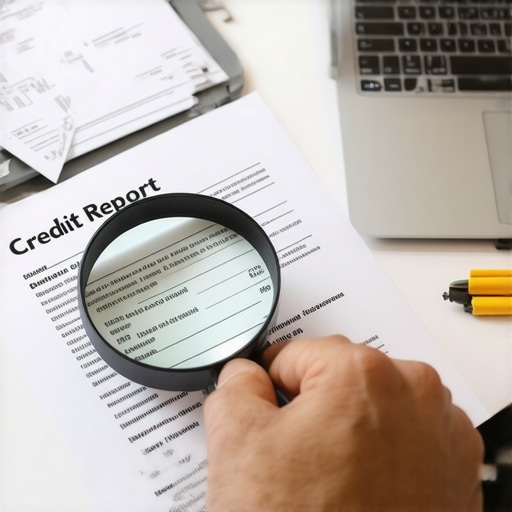
Before taking action, obtain your full credit report from all three bureaus to identify your bankruptcy listing and any related inaccuracies. Use a reputable service or directly request reports from Experian, Equifax, and TransUnion. Carefully examine the entries, noting dates, account details, and any discrepancies. Remember, mistakes in reporting are more common than you think and can be your ticket to expunging inaccurate records. To ensure you’re well-informed, check out our credit counseling insights.
Verify How Long Bankruptcies Should Persist
Understand that Chapter 7 bankruptcies typically remain for ten years, while Chapter 13s stay for seven. Confirm the type of bankruptcy filed and its reporting duration. If the record exceeds these limits or appears incorrect, you have grounds to dispute it. Think of this step as auditing your financial history to find discrepancies—like a detective uncovering clues that can help erase past sins. A real-world example: I found an outdated bankruptcy listed six months earlier than the actual date, which was a quick claim I successfully disputed, leading to its removal.
Dispute Inaccuracies via Formal Requests
File dispute letters with supporting documentation to the credit bureaus where the bankruptcy appears. Clearly specify what’s inaccurate, include proof if available (court documents, discharge papers), and request removal or correction. Use certified mail with return receipt to have proof of submission, akin to sending a registered letter to a trusted partner. For more effective dispute strategies, see our credit repair techniques. Keep in mind, an informed dispute can sometimes lead to quick deletions, especially if errors are evident.
Leverage Legal and Regulatory Protections
If the bankruptcy report persists beyond the allowed period or contains inaccuracies you can’t resolve through dispute, consider legal options like filing a complaint with the Consumer Financial Protection Bureau or requesting validation under the Fair Credit Reporting Act (FCRA). Think of this as calling in an expert when ordinary efforts fail; bolstering your case legally can expedite removal. Remember, maintaining a record of all correspondence and court documents is vital—think of it as your backup arsenal in this fight.
Build a Stronger Credit Profile Post-Removal
Once the bankruptcy is successfully removed, focus on rebuilding credit with positive activities. Start by securing secured credit cards or credit-builder loans; these act like training wheels that help you regain trust with lenders. Consistently make on-time payments, keep utilization low, and diversify your credit mix strategically. For advanced tips on credit rebuilding, check out credit building guides. Remember, each responsible step forward adds a brick to your new financial foundation, paving the way to better offers and opportunities.
Many individuals assume that debt management and credit repair are straightforward processes, but the truth runs much deeper than common advice suggests. A widespread myth is that simply paying off debts automatically boosts your credit profile. While paying your bills on time is crucial, experts warn that solely focusing on repayment can overlook essential nuances like credit mix and utilization ratios, which significantly influence your score. Moreover, there’s a misconception that all debt strategies are universally effective; in reality, what works for one person might backfire for another due to differing credit histories and financial goals. For example, consolidating debt into a single loan might lower your monthly payments but could negatively impact your credit mix, leading to a temporary score dip. This is a classic trap: many think that applying for new credit improves their profile, but multiple hard inquiries in a short period can signal risk to lenders and lower your score—check out our top credit repair myths article to see how misconceptions can cost you.
Another hidden nuance is the role of credit age; closing old credit accounts might seem beneficial to reduce temptation, but it can shorten your credit history and harm your score. Similarly, some believe that disputing every negative item will instantly erase blemishes, yet not all inaccuracies are worth the effort, and excessive disputes can make your report look suspicious. For advanced practitioners, understanding the spectrum of credit scoring—such as how FICO scores weigh debt types and recent activity—can be a game-changer. According to FICO’s latest insights, your credit mix, including installment loans and revolving credit, accounts for about 10% of your score, so strategic management of these accounts can yield better results.
Be cautious of the ‘set it and forget it’ mindset. Effective debt management requires ongoing vigilance, regular credit reviews, and tailored strategies. Do not fall into the trap of relying solely on generic advice; instead, analyze the nuances that influence your unique situation. If you want deeper insights, our credit counseling resources can help you craft a personalized plan. Remember, mastering these subtle aspects can accelerate your journey toward financial health.
Have you ever fallen into this trap? Let me know in the comments.
Invest in Reliable Monitoring Software
Personally, I rely on Credit Karma and Experian’s Free Credit Report because they offer real-time updates and detailed insights without additional costs. These tools help me spot sudden changes, unauthorized activity, or inaccuracies that could harm my score. For long-term maintenance, I regularly review my report at least once a quarter to catch errors early and track progress. The key is consistency—set reminders to check your credit reports regularly. As the trend toward increased digital transparency continues, leveraging these free and trusted tools becomes even more vital for staying on top of your credit health.
Automate Payments to Stay Consistently On Track
To prevent late payments—a major scoring factor—I use automatic bill pay directly through my bank. I choose this method because it reduces the chance of human error and ensures on-time payments, which over time builds trust with lenders. Additionally, I schedule payments a few days before the due date to account for bank processing times. This simple step saves me stress and keeps my credit profile pristine. Consider setting up alerts or notifications for upcoming bills or low balances to avoid accidental missed payments—these small habits will pay off when it’s time to demonstrate responsible credit use.
Track Your Debt with a Dynamic Spreadsheet
I personally maintain a detailed spreadsheet that updates with my current balances, due dates, and payment plans. Tools like credit-building hacks advise tracking your debt strategically. This helps me see the bigger picture, identify high-utilization accounts, and plan payments to optimize my credit mix and utilization ratio. Over time, adjusting your debt payoff priorities based on your monitoring data maximizes your score improvements. Incorporating this method is especially helpful if you’re juggling multiple loans or credit cards, ensuring you keep everything manageable and moving in the right direction.
How do I maintain my credit progress over time?
Consistent review, automation, and strategic debt tracking are the cornerstones of lasting credit health. Look ahead by setting quarterly review dates, utilize tools for alerts, and revisit your debt repayment plan regularly. The future of credit management is leaning toward smart automation and real-time analytics—embracing these will keep you ahead. According to a recent report by FICO, individuals maintaining active monitoring and strategic adjustments can see up to a 50-point score increase over a year. And don’t forget to explore additional strategies in our credit counseling resources to stay informed and proactive. Implementing just one advanced tip, like automating your payments effectively, can make a significant difference—give it a try today!
The Hardest Lesson I Learned About Debt Management and Credit Repair
One of my biggest realizations was that quick fixes rarely lead to lasting change. Early on, I believed disputing every negative item was enough, but I discovered that strategic, informed actions yield better results. Patience and education are key—rushing through credit repair can sometimes do more harm than good.
Why Ignoring the Details Might Stall Your Progress
I used to overlook small discrepancies in my reports, thinking they were insignificant. But I found that even minor errors, if left unchallenged, can keep outdated or inaccurate information on your report longer. Meticulous review and dispute can often unlock opportunities for clean credit reports and better scores.
Building Trust Takes More Than Just Paying on Time
Consistently making payments is crucial, but I learned that establishing a diverse credit mix and keeping utilization low had a more profound influence on my score. Balancing different types of credit and understanding scoring nuances made me realize that ongoing strategy beats isolated efforts.
Patience and Persistence Can Transform Your Financial Future
Credit repair is not a sprint; it’s a marathon. Small, consistent steps—like automating payments, monitoring reports, and strategic debt reduction—compound over time. Trust the process, and you’ll find that genuine financial health is within reach.
My Essential Toolkit for Credit Building and Repair
ollect some of the resources that truly made a difference in my journey. I rely on expert insights from reputable sources, trusted credit monitoring tools like credit building hacks, and comprehensive guides such as step-by-step credit rebuilding. These resources provided clarity and actionable strategies that kept me motivated and on track.
Seize Your Credit Future Today
pursue your goals with confidence, knowing that small, deliberate actions can lead to remarkable improvements in your credit health. Remember, the key is consistency, education, and patience. Don’t let setbacks deter you—each step brings you closer to financial freedom. Now, I want to hear from you—what’s the biggest challenge you’ve faced in managing your credit? Share below and let’s learn together.