
Why Your Grocery Bill is Secretly Killing Your Credit Application
It was a typical Saturday afternoon when I finally had that lightbulb moment. Staring at my dwindling grocery receipts, I realized that my hefty spending habits were silently dragging down my credit prospects. I’d always thought of my grocery bill as just a necessary expense, but I learned it’s more intertwined with my financial future than I ever imagined. Have you ever felt that your daily spending habits might be doing more harm than good? Well, you’re not alone.
Why Your Grocery Spending Could Be Hiding Serious Credit Risks
Many folks overlook how mundane expenses like grocery shopping can impact their credit application process. Even small, consistent overspending can lead to higher-than-allowed debt-to-income ratios, which lenders scrutinize closely. This isn’t just about maxing out credit cards; it’s about understanding how everyday financial decisions, like your grocery budget, are connected to your ability to qualify for loans or favorable interest rates.
Research shows that debt-to-income ratio accounts for up to 30% of your credit score calculation, making overspending in areas like groceries a subtle but impactful factor (source: [FICO Score Factors](https://counselcredits.com/mastering-credit-building-proven-strategies-for-a-strong-financial-future)). If your grocery bills are habitual and unplanned, they could be pushing your debt levels into a risky zone, blocking your path to financial opportunities.
The good news? You can course-correct once you recognize this link. Today, I want to share how mindful spending on essentials can actually boost your credit profile, clearing the way for better credit offers and larger loan approvals. But first, let’s address some common fears and misconceptions that might be holding you back.
Is this really the cause of my credit troubles? You might think it’s just bad luck or financial instability, but often, the culprit is simpler—and closer than you think. Early in my own journey, I made the mistake of ignoring small recurring expenses, thinking they didn’t matter. That was a costly oversight. If you’re curious whether your grocery habits are hurting your credit prospects, keep reading, because understanding this connection is the first step to turning things around.Track and Categorize Your Spending
Start by recording every grocery purchase for at least one month. Use a budgeting app or a simple spreadsheet. This helps you identify patterns—are you overspending on snacks or convenience foods? When I did this, I discovered I was impulsively buying premium brands, inflating my grocery bill unnecessarily. Cutting back on non-essential items freed up funds and reduced my debt load, positively impacting my credit profile.
Create a Realistic Grocery Budget
Set a monthly limit based on your actual spending history. For example, if youUsually spend around $400, allocate that as your ceiling. Consider using the 50/30/20 rule: Allocate 50% to needs (including groceries), 30% to wants, and 20% to savings and debt repayment. Sticking to this cap prevents overspending that could increase your debt-to-income ratio—one of the key credit score components explained in credit building strategies.
Plan Your Shopping Trips Smartly
Instead of wandering the aisles, make a list based on a weekly meal plan. This minimizes impulse buys, which can quickly derail your budget. I once failed to plan ahead and ended up buying expensive ready-made meals, pushing my grocery costs over budget. After adopting a strict shopping list aligned with my meal plan, I saved hundreds monthly, which helped in paying down credit card debt faster.
Implement the Envelope Method for Cash Purchases
To curb overspending, divide your grocery budget into envelopes—cash only. When the envelope is empty, no more shopping until the next cycle. This physical limit reinforces discipline and prevents credit card usage for small extras. I tried this during a financial reset period; it was messy at first, but it made me conscious of every dollar spent, facilitating faster credit improvement, especially when combined with debt management practices detailed in debt management tips.
Negotiate Better Deals and Use Coupons
Look for weekly deals, buy in bulk when possible, and utilize coupons. These strategies not only lower your grocery costs but also free up cash for debt payments. I once negotiated a price reduction on my produce, citing a store policy I read about in an article. This small act saved me $10 that month—money I applied directly to my highest-interest credit card. Small savings like these can cumulatively improve your creditworthiness by decreasing your overall debt burden.
Automate Payments and Use Alerts
Set up automatic bill payments for your credit cards and utility bills. Use alerts to notify you before a payment is due, avoiding late fees and negative reports that hurt your credit. When I linked my account to my phone’s banking app, I received reminders for upcoming payments, which prevented accidental missed or late payments, thus safeguarding my credit score as discussed in credit repair tips.
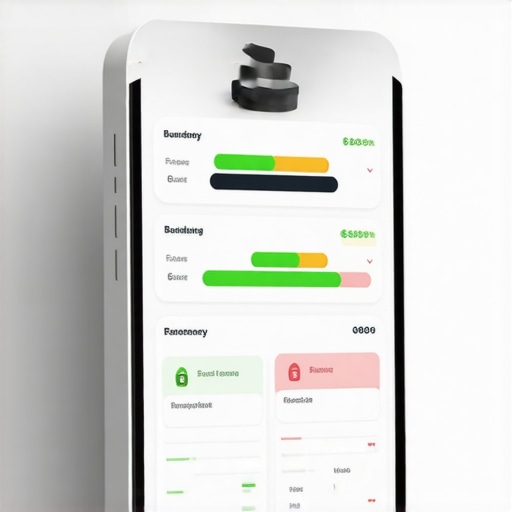
Visual aid showing a budgeting app interface with expense categories and progress bars to help manage grocery spending effectively.
Many individuals believe that simply paying off debts or disputing errors on their credit reports will automatically lead to a higher score. However, this misses the nuanced reality that credit repair isn’t just about quick fixes but understanding the complex factors influencing your credit profile. One common misconception is that aggressive debt settlement strategies always serve your long-term credit health, but rushing into such agreements without proper guidance can lead to missed opportunities for rebuilding credit effectively. According to studies from the Consumer Financial Protection Bureau, hurried or uninformed decisions often result in residual negative marks that persist longer than expected, damaging your score instead of improving it.
Are credit counseling programs truly the best path for everyone?
While many advocate for debt management plans or credit counseling, evidence suggests that a one-size-fits-all approach can sometimes do more harm than good. For instance, enrolling in a plan that consolidates debts but doesn’t address underlying spending habits may result in the same cycle repeating. Additionally, some programs may charge high fees or fail to deliver actionable strategies tailored to your financial situation. Experts recommend thoroughly researching and consulting with a trusted financial advisor before committing to such services. You can learn more about effective and personalized approaches by exploring our credit building strategies and understanding how to tailor solutions to your specific goals.
Building or repairing credit involves more than just paying debts; it requires a strategic plan that considers your unique financial landscape. For example, focusing solely on paying off small accounts without addressing high-interest loans may result in limited score improvements. Furthermore, many overlook the importance of maintaining a low credit utilization ratio; even a small increase in available credit combined with diligent payments can lead to significant score boosts. Remember, understanding the intricacies of credit scoring models can help you avoid common pitfalls. The FICO algorithm emphasizes factors like payment history, credit mix, and length of credit history, which often get overlooked in typical repair efforts. Educating yourself on these nuances positions you for smarter decisions and sustainable credit health in the long run.
Have you ever fallen into this trap? Let me know in the comments.Once you’ve taken steps to repair and improve your credit, the journey doesn’t end there. Sustaining these gains requires the right tools and a proactive mindset. Personally, I rely heavily on specialized software to keep track of my credit profile and identify areas for ongoing improvement. One tool I use is Credit Karma; it’s free, user-friendly, and provides real-time updates on your credit score and report changes, allowing me to catch any inaccuracies or sudden dips early on. I’ve also integrated a budgeting app like YNAB (You Need A Budget) to meticulously monitor my spending habits, especially on essentials like groceries, helping me avoid slipping back into debt. The key is to select tools that offer actionable insights and automate routine tasks, freeing you to focus on strategic credit building.
In addition to software, establishing routine check-ins—such as monthly reviews of your credit report—can prevent small issues from escalating. Setting up alerts for major credit report changes ensures you’re immediately informed of any suspicious activity, which is crucial in today’s digital landscape. Furthermore, developing a long-term plan with clear milestones, like increasing your credit limit or reducing debt ratios, keeps you motivated and on track.
Looking ahead, I believe the trend will shift towards more integrated financial platforms that combine credit monitoring, budgeting, and debt management seamlessly. Embracing these technological advances now will position you to adapt quickly and maintain your financial health effortlessly.
**How do I maintain my credit progress over time?** Regularly updating your strategies and leveraging the latest tools—like the comprehensive dashboards offered by sites such as [Counsel Credits](https://counselcredits.com/mastering-credit-building-proven-strategies-for-a-strong-financial-future)—ensures your credit remains strong and resilient against future setbacks.
If you want to get serious about staying ahead, try setting up automated alerts for your credit report changes and schedule monthly reviews. These simple yet powerful actions can make a significant difference in preserving your hard-earned improvements. Remember, the more proactive you are with your tools, the less likely you’ll slip back into old habits or face unexpected issues—keeping your financial future secure and steady.
What I Wish I Knew Before Starting My Credit Repair Journey
One of the most eye-opening lessons I learned was that small, consistent habits—like managing grocery spending—have a disproportionate impact on credit health. Realizing this transformed my approach from reactive to proactive, emphasizing the importance of daily financial choices.
Trusting quick fixes alone can be misleading; sustainable credit improvement requires understanding the nuanced factors that influence your score. I found that educating myself about credit scoring models enabled me to prioritize strategies that yield long-term growth.
Developing a personalized plan, rather than following generic advice, made my credit repair efforts more efficient. Tailoring methods to my specific spending patterns and debt profile allowed me to see tangible results faster.
Tools That Made a Difference in My Credit Building
- Credit Karma: Providing real-time updates and credit monitoring, it kept me informed and motivated to stay on track.
- YNAB (You Need A Budget): This budgeting app helped me allocate funds wisely, especially for essentials like groceries, preventing overspending and debt accumulation.
- Counsel Credits’ Strategies: Their comprehensive guides and insights gave me actionable steps for repairing credit and managing debt effectively, which I now recommend to others seeking clarity.
Your Next Step Toward Financial Confidence
Remember, credit repair isn’t just about fixing scores—it’s about building a resilient financial foundation. Embrace every lesson, leverage the right tools, and keep your goal in focus. Your efforts today set the stage for a brighter, more secure financial future.
Are you ready to take control of your credit? What’s the first step you’re planning to implement? Share your thoughts below and join the conversation on making smarter financial choices.