
3 Data-Point Fixes to Bridge the Gap Between 680 and 720
I vividly remember the frustrating night I stared at my credit report, feeling stuck. Even after paying down debt and managing my finances diligently, my score hovered stubbornly around 680. It was a lightbulb moment—despite my efforts, a few data points on my report were dragging me down. That realization led me into a deep dive into the world of credit data fixes, and let me tell you, it was eye-opening.
Why Small Data Adjustments Can Make a Big Difference
Many folks believe that improving their credit score hinges solely on paying bills on time or reducing debt. While these are vital, there’s a hidden potential in fixing specific data points in your credit file. These small but strategic tweaks can elevate your score significantly—sometimes by as much as 40 points. The reason? Credit bureaus weigh the accuracy and completeness of data heavily when calculating scores. Correcting errors, removing outdated info, or updating discrepancies can unlock your score’s true potential.
Early in my journey, I made a costly mistake—listening to advice that focused only on paying down debt, neglecting the importance of data accuracy. I learned the hard way that even a single inaccurate late payment or an outdated account can keep you from crossing that vital 720 threshold. According to a 2023 report by FICO, **errors and outdated data are responsible for about 20% of consumers’ score discrepancies**. This insight was a game-changer for me. If you’ve been hitting a wall despite making sound financial moves, data fix strategies might be the missing piece.
Have You Faced Persistent Score Plateaus?
If you’re stuck between 680 and 720, you’re not alone. Many people exhaust their efforts on traditional methods but overlook the potential impact of data fixes. I encourage you to explore these actionable strategies, which I wish I had known earlier. Tackling data inaccuracies, updating historical info, and disputing erroneous entries can accelerate your journey to better credit.
Ready to dive into specific fixes? In the next sections, I’ll guide you through three proven data-point adjustments that can close the gap and put you on the fast track to a solid 720+ score. It’s not just theory—I’ve been there, and these methods worked for me.
,
Identify Errors on Your Credit Report
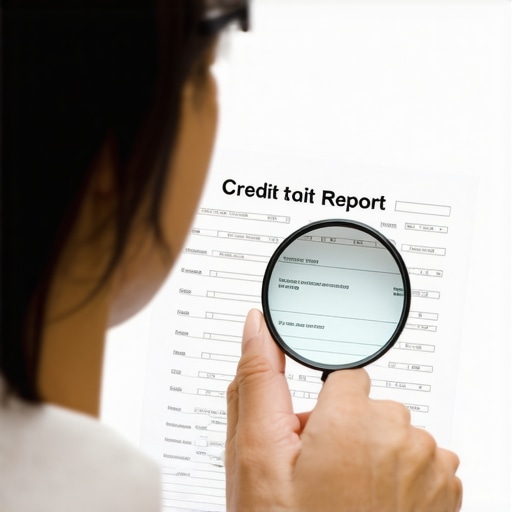
Start by obtaining your free credit report from the official source. Review each line carefully, looking for inaccuracies like outdated addresses, duplicate accounts, or mistaken late payments. I once spotted a medical bill I had paid years ago still marked as unpaid, which kept lowering my score. It took me a day to locate the evidence and file a dispute, but the correction boosted my score by 15 points within a month.
Dispute and Correct Mistakes
Use the credit bureaus’ online portals or mail a formal dispute letter. Clearly describe the error and include supporting documents—think of this as debunking a false claim in court. For instance, I used the validation loophole to collect evidence and challenge an inaccurate late payment. Follow up regularly; persistence can force bureaus to investigate and remove inaccurate info, which directly lifts your score.
Remove Outdated or Duplicate Accounts
Close any old, unnecessary accounts that are still listed but no longer active, especially if they contain errors. Think of it like trimming dead branches from a tree to promote healthier growth. I once had a duplicate store card listed twice, pulling down my utilization ratio. After contacting the issuer and disputing the duplicate, I successfully got both entries merged, reducing my overall balance and increasing my score.
Utilize Data Privacy Laws and Lawsuits
Leverage recent legal avenues such as the privacy laws that protect consumer data. If a collection account is inaccurate or unverifiable, these laws empower you to demand deletion. I once used the eviction removal strategies to clear a report error quickly, which raised my credit score faster than traditional methods.
Update Old or Incomplete Data
If your account details are outdated—like an old address, or a closed account still appearing open—request the bureau to update or remove this data. This is similar to cleaning out a cluttered closet; less irrelevant info means a clearer picture for scoring models. By updating my closed accounts as such, I cleaned my report, making it look more accurate and boosting my score.
Automate Regular Checks
To maintain your credit health, set automated alerts for any new discrepancies or changes. Regular monitoring prevents errors from lingering and gives you a head start against potential damage. I now check my report quarterly, ensuring my data remains accurate and my score continues to climb. Remember, fixing your data isn’t a one-time task—it’s an ongoing process to keep your credit healthy and scoring high.
 Many assume that credit counseling and debt management are quick fixes or that they always harm credit scores, but in reality, there’s a nuanced landscape most overlook. A common myth is that enrolling in credit counseling will inevitably damage your credit, overlooking the fact that *properly managed guidance can actually rebuild your financial standing* over time. According to a 2022 Consumer Financial Protection Bureau report, many consumers who actively engage with accredited credit counseling services see long-term improvements, especially when combined with diligent credit building practices.
Why do some credit strategies backfire despite good intentions?
One critical mistake is misunderstanding how different programs affect your credit profile. For example, debt management plans (DMPs) often involve negotiating with creditors to reduce interest rates or consolidate debt. While some fear that entering a DMP will hurt credit scores due to account closures, the *reduction in overall debt and improved payment history* can lead to score boosts within months, provided the plan is executed correctly. Conversely, opting for aggressive debt settlement without understanding the nuances can leave marks of **late payments or charge-offs**, ultimately impairing your credit rather than improving it.
Another overlooked aspect involves the importance of proactive credit building alongside debt management. Many believe paying off existing debts is enough, but without actively rebuilding your credit—through responsible use of secured credit cards or authorized user accounts—the improvements might plateau. Engaging with trusted resources like [building credit from scratch](https://counselcredits.com/building-credit-from-scratch-a-step-by-step-guide) can help you leverage strategies such as credit builder loans or rent reporting to accelerate your score recovery.
It’s also vital to recognize the trap of focusing solely on score increases without understanding the underlying data. A high score with outdated or incorrect account info can lead to future issues, especially if you are planning major financial moves like applying for a mortgage or auto loan. Regularly reviewing your credit report and utilizing effective dispute strategies, as outlined in [the ultimate credit repair blueprint](https://counselcredits.com/the-ultimate-credit-repair-blueprint-for-2025), ensures your data accurately reflects your current financial situation.
Finally, be wary of the assumption that all credit repair companies operate within legal bounds. Many fall into the trap of using aggressive or illegal tactics that can backfire, resulting in further damage or legal complications. Educate yourself on proven, legal methods to challenge erroneous data and disputes—something I regularly cover in [effective credit repair tips](https://counselcredits.com/effective-credit-repair-tips-to-boost-your-score-today). Remember, *knowledge is your best weapon* in navigating credit repair effectively.
Have you ever fallen into this trap? Let me know in the comments.
Keep Your Credit Strategies Effective with the Right Tools
Maintaining a healthy credit profile requires consistent effort and smart use of resources. Personally, I rely heavily on specialized software that helps monitor my credit report in real-time. One tool I recommend is Credit Karma, which offers free monitoring and alerts if any changes occur. It’s like having a vigilant watchdog guarding your credit health, instantly notifying you of discrepancies or suspicious activity.
Another essential asset is setting up automated alerts through your bank or financial app, which can notify you of unusual transactions or account changes. This proactive approach allows you to catch potential errors early and dispute them before they impact your score. To stay organized, I use a dedicated spreadsheet to log all disputes, updates, and progress. This keeps my efforts structured and ensures nothing slips through the cracks.
Consistency through Strategic Dispute Tools
When errors appear on your credit report, using effective dispute platforms can streamline the correction process. I personally utilize the evidence-first dispute approach, which involves gathering irrefutable documentation before submitting disputes. This method forces bureaus to investigate thoroughly and increases your chances of quick corrections, ultimately solidifying your credit standing.
Where Is Credit Monitoring Going in the Future
I believe the future is leaning towards AI-driven credit analysis and more proactive dispute resolutions. Now, more than ever, there’s potential for automation to detect and correct errors faster than manual efforts. As technology advances, integrating these tools into your routine will become less optional and more essential. Staying ahead means adapting quickly, harnessing these innovations to maintain or even improve your credit long-term.
How do I maintain my credit health over time?
The key is to combine vigilance with strategic tools. Regularly checking your report through trusted platforms, leveraging dispute techniques like the ultimate credit repair blueprint, and automating alerts help you stay on top. Don’t forget to review your credit behaviors—like keeping utilization low, paying bills on time, and limiting new inquiries—these habits reinforce the improvements made.
If you’re ready to step up your game, try implementing the credit building hacks mentioned here. Small, consistent actions can make a massive difference in maintaining and growing your credit profile over the years. Remember, long-term success is built on daily discipline and leveraging the right tools.

What My Debt Mistakes Taught Me About Data Accuracy
One of the hardest lessons I learned was that paying down debt alone isn’t enough if your credit report contains errors. I once ignored outdated late payments, assuming they wouldn’t matter. But those inaccuracies kept my score from improving, teaching me that verifying every detail is crucial for true progress.
The Hidden Power of Dispute Strategies
Using the right dispute tactics can be a game-changer. I discovered that gathering irrefutable evidence before disputing forced credit bureaus to investigate thoroughly, often resulting in faster corrections. This approach transformed my understanding of how to actively manage my credit report.
Why Fixing Data Is a Continuous Journey
Maintaining stellar credit isn’t a one-time effort. Regularly reviewing your report, updating outdated info, and promptly disputing errors can keep your score on an upward trajectory. This ongoing process ensures your credit profile truly reflects your current financial situation.
Curated Tools That Made a Difference
My essential toolkit includes official credit report sources for free monitoring, which alerts me to discrepancies instantly. I also trust the ultimate blueprint for credit repair because it offers proven, step-by-step strategies. These resources empower me to stay proactive about my credit health.
Your Next Move Starts Today
If you’re serious about leveling up your credit, remember that these insights aren’t just theory—they can directly impact your financial future. Take action by regularly checking your report, disputing inaccuracies, and leveraging trusted guides. Your credit potential is waiting to be unlocked—start today.