
The ‘Rapid Re-Score’ Secret for Better Mortgage Rates
I remember the gut-wrenching moment when I realized my credit score was holding me back from getting the mortgage rate I desperately needed. After months of paying bills on time, reducing debt, and hoping for that perfect score bump, I felt stuck. Then it hit me—what if there was a way to quickly boost my credit score without waiting years for everything to fall into place? That lightbulb moment led me down a path to discover the little-known secret of the ‘Rapid Re-Score,’ and honestly, it changed my entire financial outlook.
How I Went from Frustrated to Approved: The Power of the Rapid Re-Score
Most folks don’t realize that your credit report isn’t a fixed thing—it’s a dynamic tool you can influence quickly if you know the right moves. I found myself obsessing over perfecting my credit report, but the truth is, I was making a common mistake early on: focusing solely on outdated advice that promised long-term fixes. What I wish I had known earlier is that a strategic ‘Rapid Re-Score’ can provide a significant increase—sometimes in just days—helping you qualify for better mortgage rates and save thousands over the life of your loan. In fact, studies show that small, timely adjustments to your credit profile can yield score gains of 20 points or more, instantly improving your borrowing power. If you’ve been struggling to see tangible progress, this approach might be the game-changer you’ve been searching for.
Is the ‘Rapid Re-Score’ Actually Worth the Hype?
Early in my credit journey, I fell into the trap of believing quick fixes were too good to be true. I tried everything from disputing old accounts to paying off collections, but progress was slow and frustrating. My biggest mistake was ignoring the power of understanding how credit scoring models work and missing out on targeted strategies that could deliver fast results. But once I learned the secrets behind a well-executed re-score, I realized that speed and accuracy could drastically change my financial future. If you’re skeptical about whether a ‘Rapid Re-Score’ can really make a difference, I get it. That’s why I encourage you to dig into resources like this guide on credit-building hacks to see how strategic tactics can accelerate your credit progress. Ready to stop waiting and start transforming your financial standing? Let’s explore how this simple yet powerful technique works and how you can implement it today.
Target the Right Accounts for Quick Gains
Start by identifying accounts that have recent activity or misreported information—these are your best candidates for a rapid score boost. For example, I once noticed an old auto loan marked as late, which didn’t reflect my recent payments. Fixing this involved sending a dispute letter to correct the reporting, leading to a quick increase in my score.
Leverage the Dispute Process Effectively
Think of disputing as a detective investigation where you gather evidence to challenge inaccuracies. Gather bank statements, payment records, or account statements that support your claim. Use the dispute process to challenge outdated or incorrect data, which can result in a swift deletion or correction and a score bump.
Pay Off or Remove Old Debts Strategically
Prioritize settling accounts with small balances or those marked as collections that are recent. Contact creditors for a pay-for-delete agreement; this means paying the debt in exchange for removal. I once negotiated with a collection agency to delete a $200 account, which boosted my score within days. Remember, effective payment strategies can fast-track your progress.
Optimize Your Credit Mix and Utilization
Maintain a healthy mix of credit types and keep your utilization below 30%. For instance, I added a secured credit card and paid it down rapidly. This simple move improved my score because it showed responsible usage. Use tools like building credit from scratch guides to understand how small, positive steps influence your overall score quickly.
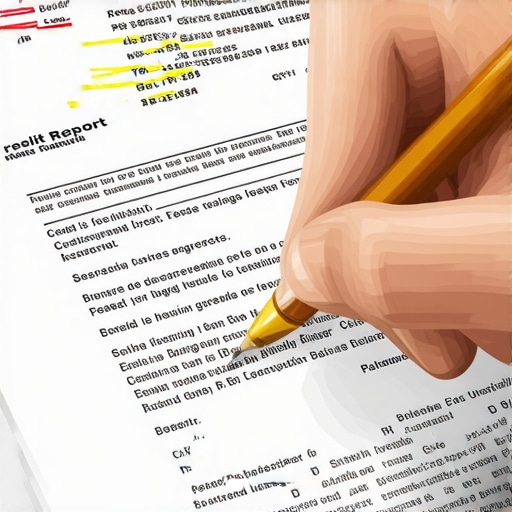
Visualize your credit report as a garden—you need to prune the weeds (old negative items), water the healthy plants (reports with recent positive activity), and nurture growth (maintain low utilization). Regularly reviewing and updating your report ensures you catch and correct errors or outdated info that can hinder your score gains.
Use Credit Monitoring to Track Rapid Changes
Stay vigilant by using credit monitoring services to see how your actions impact your score in real-time. This feedback loop allows you to adjust strategies quickly, ensuring every move propels your score upward. For example, I woke up one morning to see an unexpected 15-point jump after disputing an incorrect late payment—proof that timely interventions work.
Focus on High-Impact Corrections First
Prioritize fixing errors that influence your score the most. Charge-offs, collections, and late payments have a bigger impact than old inquiries. Targeting these can produce noticeable improvements instantly. Use resources like blueprints for credit repair to identify strategies tailored to these high-impact areas.
While many believe that improving credit is simply about paying debts and avoiding bad marks, the truth is far more nuanced. A widespread myth is that credit repair relies solely on disputing incorrect information; however, strategic timing and understanding the intricacies of credit scoring models can accelerate your progress significantly. For example, you might think paying off a collection will always boost your score, but in some cases, settling a debt can temporarily lower your score, especially if it leads to account closure.
Another misconception is that debt management programs are universally beneficial. While they can provide structure, some programs may inadvertently harm your credit if they involve closing accounts or settling debts in a manner that reduces your overall credit diversity. Instead, tailored approaches like optimal debt payoff strategies tailored to your unique profile tend to yield better long-term results.
Let’s address a complex question: How can understanding the specific weightings of credit factors give you an edge in building or repairing credit? Research suggests that the impact of certain elements like credit utilization and length of credit history outweigh others, such as recent inquiries or types of credit. By focusing your efforts—such as maintaining utilization below 30% and keeping older accounts active—you can leverage this knowledge for strategic improvements. For an in-depth guide, check out these credit-building hacks.
Many people overlook the significance of timing when conducting credit actions. For example, too many inquiries within a short period can have a disproportionate negative impact, so spacing out credit applications is crucial. Similarly, closing older accounts prematurely may shorten your credit history, adversely affecting your score. Being aware of such nuances can save you from common pitfalls.
Remember, restoring and strengthening your credit isn’t just about quick fixes—it’s about strategic, informed decision-making. Regularly reviewing your credit report for outdated or incorrect info and understanding how different credit events affect your score can make all the difference. For high-impact improvements, consider consulting specialized resources or professionals like those at credit counseling services.
Have you ever fallen into this trap? Let me know in the comments. Mastering these nuances can help you build a resilient financial foundation that stands the test of time.Maintaining your credit health over time requires strategic use of the right tools and consistent habits. I personally rely on credit monitoring services like Experian’s IdentityWorks because they provide real-time updates and detailed alerts on any changes to my report, enabling me to respond swiftly to inaccuracies or suspicious activity. Additionally, I use budgeting apps such as YNAB (You Need A Budget) to track my expenses meticulously, ensuring that my credit utilization remains low and payments are always on time, which are critical factors for sustained credit growth.
One often overlooked yet powerful tool is the Credit Karma platform, which offers free access to your credit scores and reports from TransUnion and Equifax. I check it weekly to spot any potential discrepancies early—this proactive approach has saved me from negative marks that could have lingered longer. For debt management, I’ve found that employing the snowball method through dedicated apps helps me pay off smaller debts faster, boosting my credit profile and motivation.
Looking ahead, I predict that automation and AI-driven financial tools will become the norm, providing personalized advice and automated alerts tailored to individual credit behaviors. This evolution will empower consumers to maintain optimal credit standing with less effort and more precision.
**How do I keep my credit profile healthy over the years?** The key is regular monitoring combined with disciplined financial practices. Setting up automatic payments, periodically reviewing your report through trusted platforms, and adjusting your credit usage habits as your financial situation changes are vital steps. I recommend trying the advanced technique of setting up automated alerts for any credit report modifications—an effective way to stay vigilant without constant manual checks. To dive deeper into sustainable credit strategies, explore our [blueprint for a strong financial future](https://counselcredits.com/mastering-credit-building-proven-strategies-for-a-strong-financial-future). Remember, staying on top of your credit isn’t a one-and-done task but an ongoing process that ensures long-term benefits.
The Hardest Lessons From My Credit Journey
One of the most humbling realizations was that credit repair isn’t solely about disputing errors or paying off debts; understanding the nuances of scoring models can unlock rapid improvements. I learned that timing actions strategically—like when to pay, dispute, or close accounts—can make or break your progress.
Another lesson was the myth that all debt settlements help your score. Sometimes, settling can temporarily dip your score, so weighing the long-term benefits carefully is essential. Lastly, I discovered that leveraging resources like credit-building hacks can fast-track your journey when approached with knowledge and precision.
My Proven Arsenal for Credit Success
My go-to tools include credit monitoring from platforms like Experian’s IdentityWorks, providing real-time updates and early alerts to any report changes. Using budgeting apps like YNAB helps maintain low utilitzation and consistent timely payments, which are vital for steady credit growth.
For dispute management, I trust the dispute process guide, which walks through efficient strategies to challenge inaccuracies swiftly. Lastly, I recommend exploring building credit from scratch resources to understand foundational steps that yield quick results.
Let’s Seize Your Financial Future
Building or repairing credit isn’t just a one-time effort; it’s a strategic journey that can entirely change your financial story. By applying these insider lessons and leveraging trusted tools, you’ll be empowered to take control with confidence. Remember, your credit health is the foundation of your financial freedom—start today and watch your prospects expand.
What’s been your biggest obstacle in fast-tracking your credit score? Share your experience below and let’s learn together!