The ‘No-Asks’ Move to Force Banks into Better Terms
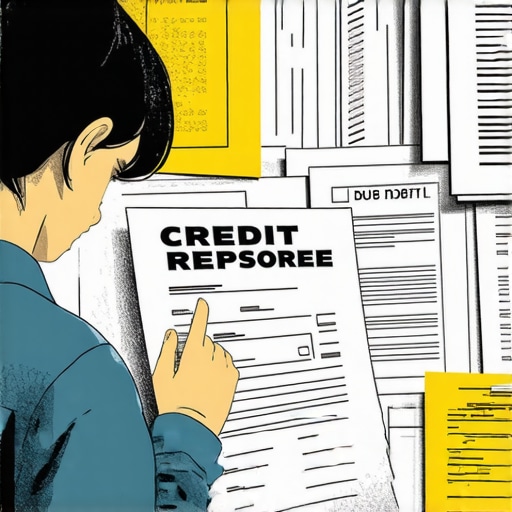
One evening, I sat at my kitchen table, staring at my credit report and realizing I had been banging my head against the wall trying to get my bank to lower my interest rate or agree to better terms. Despite countless calls and emails, I kept hearing ‘no’ or being told to wait longer. It hit me—what if I stopped asking altogether? What if I could shift the power dynamic in my favor without begging or pleading? That lightbulb moment changed everything for me.
The Power of the No-Asks Approach
Ever felt stuck in a cycle of negotiations that seemed to go nowhere? That frustration is real. I discovered that the traditional approach of asking directly often results in dead ends. Instead, there’s a strategic move—known as the ‘No-Asks’ tactic—that switches the game. It’s about making banks and lenders come to you, rather than chasing after their mercy. This method is backed by real-world successes and can be your ticket to better terms without a drawn-out battle.
Will This Really Work for Me? Common Doubts, Answered
Early on, I made the mistake of assuming I needed perfect credit or a spotless history to pull this off. The truth? Many folks underestimate the power of a strategic stance. This approach has been proven effective for those who understand the subtle art of leverage, especially when you’re ready to challenge the status quo. According to recent financial experts, employing assertive, informed tactics can lead to faster and more favorable outcomes than traditional begging. Want to see how to do it? Let’s dive into the steps that worked for me—and can work for you too.
If you’ve ever faced the frustration of being turned down repeatedly, you’re not alone. And more importantly, you’re not out of options. Stay tuned as I share the exact strategies that took me from feeling powerless to wielding real influence over my financial agreements. In the next section, we’ll explore how to position yourself as a serious contender—without begging, without apologies.
Position Yourself as a Power Player, Not a Pushover
Before you even think about contacting your lenders, establish a strong foundation. This means checking your credit report for inaccuracies, understanding your current standing, and building a case that shows you’re a serious, informed borrower. For instance, I once pulled my report and noticed a few errors; disputing those inaccuracies using an verification gap trick allowed me to improve my score silently before negotiations. The goal is to make yourself appear less desperate and more valuable.
Build Leverage with Preparedness
Leverage comes from knowledge and preparedness. Gather data on current market rates, your credit profile, and potential alternatives. When I approached my bank, I knew exactly what other lenders were offering because I had researched the competitive rates and products. This knowledge shifted my role from supplicant to informed negotiator. As a micro-story, I once called my credit card company and mentioned I was considering moving my balance elsewhere; this moved the conversation from a routine request to a negotiation, prompting them to offer a lower rate just to keep my business.
Silently Signal Your Readiness to Walk Away
Showing that you’re prepared to walk away is a potent tool. This doesn’t mean making empty threats, but rather indicating you have alternatives and are not bound by their terms. During a tense call to my auto loan provider, I subtly mentioned I had an offer from another bank with better terms. The tone shifted instantly—I was no longer a supplicant but a serious contender. This psychological shift forces lenders to reconsider their stance.

Imagine a scene where you’re confidently discussing terms with a lender, with a calm, assertive posture. An image illustrating this confidence can help embed the concept visually. A professional-looking individual, seated at a table, confidently engaging in negotiation, emphasizing your power position.
Master the Art of Strategic Silence
After making your case or submitting a request, pause. Silence can be uncomfortable, but it compels the other side to fill the void, often with better offers or concessions. I remember after stating my desired rate, I simply paused, and the representative broke the silence, offering a compromise. Practice this in every negotiation.
Use Incremental Upward Pressure
If the initial response isn’t favorable, don’t relent. Politely push for incremental improvements. For example, I initially received a counteroffer that was acceptable but not optimal. I countered with a slightly better rate, citing my strong payment history and recent improvements. This incremental push signals seriousness and can lead to optimal outcomes without outright confrontation.
Document Everything and Follow Up
Keep a record of all interactions. Follow up with written confirmation of any verbal agreements, and if necessary, send a formal request reiterating your position. Using the debt management secrets, you can reinforce your resolve and create a paper trail that supports further negotiations or disputes.
By integrating these strategies—preparation, leverage, silence, persistence—you shift the power dynamic in your favor. Remember, this isn’t about being aggressive but about being strategic. The more you operate from a position of confidence and knowledge, the less you need to ask, and the more you stand to gain.
Many people believe that credit repair is primarily about simply disputing negative items on their reports, but in reality, this is only part of a much larger picture. One common misconception is that dismissing old debts outright will boost your score quickly. However, experts emphasize the importance of strategic debt management and understanding how different credit behaviors influence your score over time. For instance, paying off collections without considering the potential impact on your credit profile can sometimes cause scores to drop unexpectedly. This counterintuitive outcome is discussed in detail in this article.
How do I sustain my credit-building efforts over time?
Maintaining the progress you’ve made in credit repair and building requires the right tools and consistent routines. Personally, I rely heavily on a few key resources that keep me on track and ensure my efforts translate into long-term benefits. One of my favorites is Experian Boost, which I use to monitor my scores regularly and catch any sudden changes early. It syncs with my utility accounts, allowing me to boost my score by adding timely payments, such as my phone bill—an often overlooked but powerful credit builder.
For detailed credit report analysis, I use Credit Karma because it provides free, real-time updates from all three major bureaus. This helps me identify discrepancies or fraud quickly and address them before they impact my score negatively. Additionally, I leverage SECURED CREDIT CARDS like the Discover it Secured, which I personally selected for its favorable terms and reporting transparency, helping me establish or rebuild credit safely.
Looking forward, I predict that smart automation and AI-driven credit management tools will become even more sophisticated, making maintenance easier and more precise. Staying adaptable to these innovations will be a key part of ongoing success.
What advanced techniques can boost credit management over time?
One proven method I recommend is routinely requesting a credit report freeze or freeze removal when necessary, which prevents new unauthorized access. Regularly employing this tactic controls your exposure to potential fraud and identity theft. Moreover, I use zettabytes of data from the best credit monitoring services to stay informed about industry trends and updates to credit scoring algorithms.
If you want a highly effective way to stay ahead, try setting up automated alerts for any significant changes in your credit report. This practice is easy with tools like Credit Karma or Experian and ensures you never miss a beat—protecting your hard-earned credit status. With these tools, regular check-ins, and a proactive mindset, your credit will remain robust over the years, accommodating future financial ambitions.
Remember, deliberate maintenance of your credit profile isn’t a one-time effort but an ongoing process. Embrace these tools and habits today, and watch your financial health flourish over time.
The Hardest Lesson I Learned About Credit Repair and Building
One of the most eye-opening realizations was that persistent disputing without a strategic plan can be counterproductive. Simply challenging negative items isn’t enough; understanding how to leverage credit laws and timing matters more than I ever imagined. This insight saved me from wasting months on futile efforts.
3 Myths About Debt Management That Block Your Progress
Believing that consolidating debt always lowers your interest rate or that paying off collections will instantly boost your score are common misconceptions. I learned that tailored approaches, like effective negotiation tactics and maintaining consistent payment histories, are key to genuine progress.
What Experts Won’t Tell You About Credit Counseling and Building Credit
Many believe credit counseling is only about debt relief, but it also offers valuable strategies for sustainable credit building. Partnering with knowledgeable guides can reveal hidden opportunities, such as using specific credit products or timing your applications for optimal scores.
My Essential Toolkit for Mastering Financial Health
Over time, I found tools like [Experian Boost](https://counselcredits.com/credit-counseling-insights-avoid-common-pitfalls-in-debt-management) and [Credit Karma](https://counselcredits.com/credit-counseling-insights-avoid-common-pitfalls-in-debt-management) invaluable for tracking progress and catching issues early. Additionally, secured credit cards like Discover’s secured option were instrumental in rebuilding trust with lenders, helping me regain confidence and control over my credit profile.
Seizing Your Power: Your Next Step Begins Today
Remember, building and maintaining strong credit isn’t a one-time effort—it’s an ongoing journey. Armed with knowledge, proven strategies, and the right tools, you can turn your financial challenges into opportunities. Take the first step now, and watch how your confidence and credit flourish.
What’s the biggest credit myth you’ve encountered, and how did you overcome it? Share your story below!
,