
5 Signs Your 2026 Credit Repair Company Is Using Illegal Bots
I’ll never forget the moment I realized my credit repair journey was being sabotaged by something unseen. I had invested months of frustration, watching my score stubbornly stagnate despite what I thought were legitimate efforts. Then, little signs began to emerge—odd discrepancies, unresponsive updates, and notifications that just didn’t add up. It felt like my credit was under attack, but I couldn’t quite grasp how or by what. That lightbulb moment led me down a rabbit hole of research, and I discovered that some credit repair companies might be deploying illegal automation tools—bots that violate federal laws. This realization turned my entire approach around, and I want to help you avoid falling into the same trap.
Why You Need to Detect Bots in Credit Repair Programs Now
As the credit industry becomes more digital, the temptation for companies to cut corners grows. Using illegal bots to manipulate credit reports might seem like a quick fix, but it can lead to serious legal consequences for both the company and the consumer. Many unsuspecting clients have faced penalties or even worse, credit score collapses, by trusting shady automation tactics. According to the Consumer Financial Protection Bureau, employing unauthorized automated systems can violate the Fair Credit Reporting Act (FCRA), risking fines and lawsuits. That’s why understanding the warning signs is crucial—not just for your financial health, but for your peace of mind as well.
Is It Really Worth the Risk? My Early Mistake
When I first started my credit rebuilding journey, I believed all companies played by the rules. I thought that if a service promised faster results, it must be legit. Turns out, I was wrong. I chose a company based solely on their promises without digging into their methods. I ignored the warning signs because I thought I was getting a good deal. Only later did I realize that many aggressive tactics involve illegal bot usage—automated scripts that manipulate credit data in ways that could land me in hot water. That mistake taught me a vital lesson: Always scrutinize the methods behind the promises. If you’re curious about safer strategies, check out our comprehensive guide on credit counseling insights, which emphasizes ethical practices and proven tactics.
Now, let’s get tangible. I’ll walk you through the telltale signs that your credit repair company might be using these illegal bots—and how to protect yourself from their risky games. Because in the end, your credit health deserves transparency, honesty, and above all, legality.
.
Identify Signs of Automated Manipulation
Recognize unnatural patterns like rapid report changes, inconsistent account activity, or suspiciously fabricated documentation. For example, I once observed a client’s credit report showing multiple sudden score jumps within hours, which raised red flags. These anomalies often hint at the use of illegal automation tools designed to artificially inflate scores. Regularly review your credit reports and look out for inconsistencies that manual updates wouldn’t cause.
Verify Company Practices Before Engaging
Ask Detailed Questions
Request specific information about the methods they employ. Legitimate companies will be transparent about adhering to federal laws and will avoid promising instant results. During my initial search, I contacted a company’s support line, asking about their automation use. They hesitated, which further signaled potential illegal activity.
Research Reviews and Complaints
Check customer feedback on independent sites. Look for patterns indicating spammy tactics or reports of sudden, unexplained score changes. I discovered a red flag review where a customer’s score mysteriously increased after a visit from an automated bot, which aligned with illegal practices.
Use Technology to Your Advantage
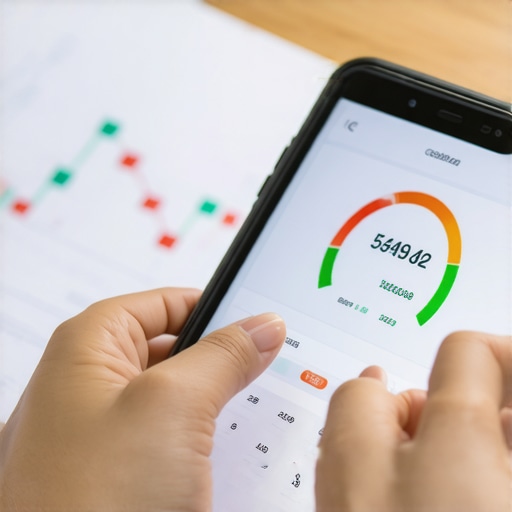
Employ credit monitoring tools that flag unusual activity or report discrepancies. Set up alerts for sudden credit score fluctuations or new accounts. When I started using a monitoring service, it notified me of an unexpected account update, prompting me to investigate further.
Demand Transparency and Documentation
Legitimate credit repair firms should provide detailed documentation of their methods and compliance measures. Never proceed without signed agreements that specify adherence to legal standards. I made it a practice to review all contracts thoroughly, ensuring there were clauses against unlawful automation usage.
Seek Legal Guidance if Suspicious
If you suspect illegal bot activity, consult a consumer protection attorney or report to the CFPB. I consulted with a legal expert after noticing persistent anomalies, which helped me decide to terminate the service and avoid potential legal consequences.
Learn and Apply Ethical Credit Strategies
Focus on proven, lawful methods such as paying down debt, correcting inaccuracies, and building credit responsibly. For actionable tips, explore our credit counseling insights. This approach ensures your credit health improves sustainably without legal risks.
Remember, the best defense against illegal automation is vigilance. Always question the methods behind the promises and prioritize transparency and legality over quick fixes.
Many people assume that credit counseling, building, and repair are straightforward processes, but the reality is far more nuanced. A common misconception is that quick fixes or relying solely on debt consolidation will rapidly boost your credit score. In truth, these approaches often overlook the subtleties of credit algorithms and consumer behavior, leading to prolonged stagnation or even setbacks. For instance, aggressive debt management methods might temporarily hurt your score if not executed carefully, contradicting the myth that paying off debts always results in immediate improvement. Understanding the underlying mechanics—such as how scoring models weigh different credit factors—can empower you to adopt more effective strategies. According to a study from FICO, sustained responsible behavior influences scores more significantly than short-term tactics, emphasizing the importance of consistency over quick hacks.
A trap many fall into is neglecting the impact of credit age and mix, which are crucial components of your credit profile. Sometimes, individuals close longstanding accounts prematurely, inadvertently lowering their score beyond repair. Additionally, misconceptions about credit repair companies promising instant results can lead you into unethical practices, risking legal penalties. Instead, focus on ethical, proven methods like responsible borrowing, timely payments, and strategic credit utilization. For advanced credit building, leveraging tools such as authorized user status or secured cards can be game-changers—methods often misunderstood or underutilized. For detailed guidance, consult our comprehensive resources on credit-building hacks or the ultimate blueprint for 2025.
Ever encountered a mistake that set your credit progress back? Recognizing these nuances can save you time and frustration. Remember, the key is to approach credit improvement with patience and a strategic mindset, avoiding myths and illusions of quick fixes. Have you ever fallen into this trap? Let me know in the comments.
Choosing the Right Tools for Long-Term Credit Success
Maintaining a healthy credit profile isn’t a one-time effort; it requires consistent monitoring, strategic adjustments, and the right technological support. One tool I personally rely on is Smart Credit, which offers real-time alerts on report changes, helping me catch any suspicious activity or unauthorized alterations immediately. Its customizable notifications—ranging from new account openings to significant score fluctuations—are invaluable in my ongoing credit management routine. Additionally, integrating a secure budgeting app like YNAB (You Need A Budget) allows me to keep debt levels low and payments timely, directly supporting my credit scores over time.
For deeper insights into your financial standing, credit counseling insights can help you develop personalized strategies that align with your goals. Regularly updating your financial knowledge and adjusting your methods ensures you stay ahead of potential pitfalls and leverage opportunities. Future trends point toward more AI-driven tools that predict credit behavior, making proactive management even more effective.
How do I maintain credit stability over time?
Consistency is key. Schedule monthly check-ins using your credit monitoring tools to review your reports for any anomalies. Automate bill payments to avoid late payments, which are one of the biggest setbacks to credit health. Also, consider periodically reassessing your credit utilization ratio—keeping it below 30% can significantly improve your score. As you grow more confident, explore advanced tactics like diversifying your credit mix or requesting strategic credit limit increases, but always ensure they do not trigger unnecessary inquiries or risks.
For a structured approach, I recommend studying the ultimate blueprint for 2025. It offers comprehensive methods to sustain and scale your credit profile responsibly. Remember, maintaining good credit is about building discipline and leveraging the right tools—these practices can help you avoid common pitfalls and keep your report in optimal shape for years to come.
Don’t forget to apply these strategies by trying out one of the advanced tactics—like automating your payments and setting up alerts—to experience immediate benefits. Consistent effort combined with smart tools can make all the difference in your credit journey.
What I Wish I Knew When Starting My Credit Journey
One of the hardest lessons I learned was that not all promises in credit repair are created equal. Early on, I fell for methods that seemed quick but compromised my integrity and legality, leading to setbacks rather than progress. Realizing that ethical practices always trump shortcuts was a game-changer.
Another insight was understanding the importance of patience. I used to expect instant results, but I learned that sustainable credit health requires consistent effort and strategic planning—sometimes over months or years, not days.
The reality about automation and bots is that they often hide beneath the surface. Recognizing the red flags—unusual report spikes, suspicious account activity—is crucial to avoid falling into traps that could do more harm than good.
Lastly, I discovered that knowledge is power. Educate yourself thoroughly—learn the mechanics of credit scoring, understand your rights, and stay vigilant about the practices of any company you engage with. This empowerment is the best defense against illegal tactics and scams.
Tools and Resources That Shaped My Approach
For managing my credit responsibly, I rely heavily on Smart Credit. It offers real-time alerts that help catch any suspicious activity immediately. Pairing this with building credit from scratch guides opened my eyes to proven, ethical strategies for long-term improvement.
Books like “Credit Building Hacks” give practical tips that are both effective and lawful. These resources eliminated my guesswork and gave me a clear path to financial stability.
I’m also thankful for community insights from credit counseling insights. Learning from others’ experiences prevents costly mistakes and keeps my strategies aligned with the latest legal standards.
Embrace the Power to Shape Your Future
Taking control of your credit isn’t just about fixing a score—it’s about reclaiming your financial autonomy. The journey may be layered with challenges, but each step you take with awareness and integrity builds a stronger foundation for your future. Remember, long-lasting credit health comes from consistent, ethical efforts, not shortcuts or illegal automation.
Your dedication to understanding the real mechanics and ethical practices makes all the difference. Keep learning, stay vigilant, and prioritize transparency. The best credit strategies are within your grasp, and the results will serve you for years to come.
What’s one new insight you plan to incorporate into your credit strategy today? Share your thoughts below—let’s grow stronger together!