
7 Credit Score Fixes to Beat 2026 AI-Powered Identity Fraud
I’ll never forget the moment I realized my credit report had become a playground for identity thieves—an unsettling feeling that hit me during a routine check. To my surprise, I discovered unauthorized accounts and suspicious activities I didn’t recognize, which threatened my financial future. That lightbulb moment made me question just how vulnerable our credit profiles truly are, especially with AI-powered fraud tactics escalating.
Why Protecting Your Credit Score Matters More Than Ever
In today’s digital landscape, your credit score isn’t just a number—it’s your financial reputation, a key that opens doors to loans, housing, and even employment. But with advancements in AI technology, cybercriminals are becoming more sophisticated in stealing and manipulating identities. According to a recent report, AI can now generate highly convincing fake documents and impersonate individuals convincingly, making it harder to spot fraud (source). That’s why taking proactive steps now is crucial; the threat isn’t slowing down anytime soon.
If you’ve ever felt overwhelmed trying to keep your credit safe or patch up damage caused by fraud, know you’re not alone. I’ve been there, and I understand how frustrating it can be to navigate these challenges without a clear plan. The good news? There are proven methods—seven, to be precise—that can significantly strengthen your credit profile against AI-driven threats. Over the years, I’ve learned that a strategic approach makes all the difference, whether it’s repairing errors or building resilient credit habits.
So, let’s dive into these essential fixes that can help you stay a step ahead of fraudsters and secure your financial future. Ready to take control? Keep reading, because this guide will lay out straightforward steps you can implement today.
ensure you check your credit report regularly, stay informed about emerging scams, and adopt these effective strategies to protect and boost your score.
Dispute Errors with Precision and Evidence
Start by reviewing your credit report thoroughly for inaccuracies like outdated information or unfamiliar accounts. When you identify a mistake, gather supporting documents—such as bank statements or official letters—and file a dispute online or via certified mail. I once found a closed account still listed as active; submitting a well-documented dispute resulted in swift correction, boosting my score and reducing the risk of fraud exploitation.
Optimize Your Credit Utilization Smartly
Keep your credit utilization ratio below 30%—meaning if you have a $10,000 limit, aim to stay under $3,000 in balances. Use your credit cards regularly for small purchases and pay them off in full each month. I once used this tactic during a business trip, paying off the charges immediately; it not only improved my score but also heightened my financial resilience against AI-generated fraud attempts that often target high-utilization accounts.
Layer Your Defense with Fraud Alerts and Credit Freezes
Activate fraud alerts on your credit files; this notifies lenders to verify your identity before opening new accounts. For more robust protection, place a credit freeze, which prevents unauthorized lenders from accessing your report. I did both after reading a case of AI-created identities. The process was straightforward—requiring a call or online request—and it added an extra security barrier, making it harder for automated fraud schemes to manipulate my profile.
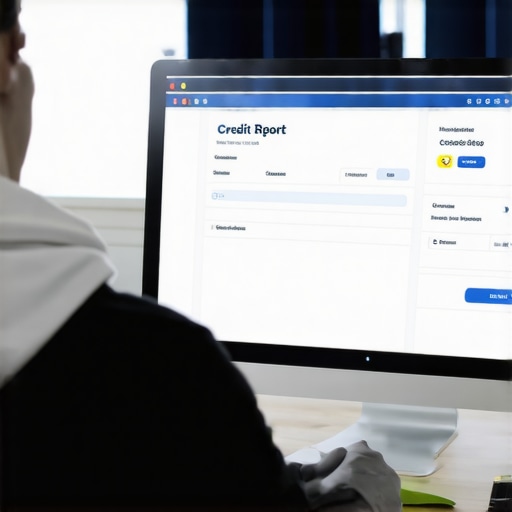
Automate Continuous Monitoring and Alerts
Use reputable credit monitoring services that automatically scan your reports and alert you to suspicious activity or changes. Many services offer real-time notifications, crucial when AI tools rapidly alter data toFabricate, so staying alert is vital. I signed up for a service that provided daily updates—so whenever an unexplained inquiry appeared, I caught it immediately, enabling quick action to prevent further damage.
Limit Sensitive Data Sharing and Secure Your Digital Footprint
Be cautious about sharing personal information online or on unsecured sites. Use strong, unique passwords for your financial accounts and enable two-factor authentication wherever possible. Once, I changed my passwords to complex combinations after a phishing attempt almost compromised my account. This extra layer protected me against AI-driven impersonation attempts that rely on scraping publicly available data.
Master Debt Management with Strategic Planning
Keeping debts under control reduces vulnerability—especially since AI tools can exploit high debt levels for scams or to manipulate scores. Explore proven strategies for debt management, such as consolidating loans or prioritizing high-interest debts. I applied these principles during a tough financial phase, consolidating multiple debts through a reputable service, which improved my credit health and diminished the attack surface for automated fraud schemes.
Build Credit From Zero Using Secure Methods
If you’re starting fresh, techniques like secured credit cards or rent reporting can help establish a trustworthy profile. For step-by-step guidance, see building credit from scratch. I once rented a new apartment and linked my rent payments to my credit report, which over time successfully built my score without risking exposure to risky credit lines.
Stay Ahead Through Education and Vigilance
Remain informed about emerging AI fraud tactics and common scams. Follow reputable sources and learn about credit counseling insights. I dedicate time weekly to reading articles, which helps me spot evolving threats early and adapt my defenses proactively—turning knowledge into a powerful weapon against automated threats.
Many assume that credit counseling, building, repair, and debt management are straightforward processes, but beneath the surface lie nuances that can significantly impact your financial health. Contrary to popular belief, most individuals focus solely on quick fixes, overlooking the long-term consequences of certain tactics. For example, while disputing errors can immediately boost your score, repeatedly challenging accurate information might raise red flags with creditors, potentially disrupting your credit profile rather than enhancing it. This nuanced understanding emphasizes the importance of strategic actions over impulsive repairs.
Another common myth is that closing old credit accounts always benefits your score. In reality, closing seasoned accounts can shorten your credit history, which negatively influences your score—an advanced insight many overlook. To navigate this, consider maintaining longstanding accounts while strategically reducing overall debt levels. This approach not only preserves your credit age but also demonstrates responsible management to lenders.
Beware of the trap where individuals believe that debt consolidation always improves their situation. While consolidation can lower interest rates and simplify payments, if not executed carefully, it may extend your repayment period or include fees that hinder your progress. Always analyze the terms thoroughly before proceeding. For expert guidance on effective debt reduction strategies, review proven practices outlined in debt management secrets.
What if you’re tempted to skip regular credit monitoring? This is a critical mistake. Automated alerts and periodic reviews detect sophisticated AI-driven fraud, such as fake account creation or manipulated data, before substantial damage occurs. According to a report by the Federal Trade Commission, proactive monitoring can prevent up to 70% of identity theft issues from escalating. Don’t fall into the misconception that occasional checks suffice; consistency is key.
A sophisticated question arises: How can understanding the subtle differences in credit scoring models influence your repair and building plans? Different models prioritize factors like payment history, credit utilization, or length of credit history uniquely. Recognizing which model a lender uses can tailor your strategy—focusing on targeted actions such as increasing credit limits or lengthening existing accounts to maximize scores. For comprehensive techniques, explore credit-building hacks that leverage this knowledge.
In essence, mastering your credit journey involves more than surface-level efforts. It requires a keen awareness of nuanced impacts and strategic planning, avoiding common pitfalls that could set you back. Have you ever fallen into this trap? Let me know in the comments.
Stay Ahead with Reliable Monitoring Tools
One of my top recommendations for ongoing credit maintenance is using reputable credit monitoring services like Smart Credit Counseling. I personally use Credit Karma because it provides real-time updates, which are crucial in detecting AI-driven fraudulent activities early. For example, I receive daily notifications whenever there’s a new inquiry or change in my report, allowing me to respond swiftly and prevent exploitation.
Looking forward, I believe automation in credit management will become even more sophisticated. Future tools will likely utilize AI to flag anomalies proactively, reducing manual oversight. Keeping pace with this evolution means investing in the right software now is more vital than ever.
Strategic Use of Software and Apps
Managing debt and credit health effectively requires more than just monitoring; it demands strategic tools. I recommend Debt Payoff Planner, which helps visualize debt repayment timelines and strategies. I’ve found that having a clear plan reduces anxiety and ensures consistent progress. Additionally, using spreadsheet templates—optimized for debt tracking—can give you granular control. For instance, I set up a custom Excel sheet that tracks every payment and interest accrual, which made it easier to prioritize high-interest debts in my repayment plan (debt management secrets).
Implementing Automation for Continuous Progress
Automation extends beyond monitoring; it can streamline actual debt payments and credit building. Setting up automatic transfers for bill payments prevents late payments, boosting your score and maintaining good standing. I use banking apps’ scheduled payments feature, ensuring that my bills are paid on time, no matter how hectic my schedule gets.
Furthermore, for building credit safely, I leverage micro-loans and rent reporting services like credit-building hacks. These tools help me establish or rebuild credit without exposing myself to risky credit lines, turning everyday financial activities into powerful building blocks.
How do I keep my credit tools effective over time?
Regularly updating your software, reviewing your data, and staying informed about new threats are paramount. I schedule monthly check-ins to review my reports and update my monitoring settings. Trusted external sources—like those shared on credit counseling insights—offer valuable updates that keep my defenses sharp. Remember, the more proactive and consistent you are, the better you can adapt to evolving automation in fraud and credit scoring.
If you haven’t already, try integrating automated alerts with your credit monitoring service this month. It’s a proactive step that can save you from significant distress and ensure your credit remains a reliable asset for your financial future.
What I Wish I Knew Before Diving Into Credit Repair
The biggest lesson I learned was the importance of patience. Rushing to dispute every error or close old accounts without understanding their impact can backfire, potentially harming your credit score rather than helping it. I also realized that not all advice is suited for everyone; personalized strategies make a significant difference in long-term success.
How Overconfidence Can Sabotage Your Credit Goals
I once believed that activating multiple credit accounts simultaneously would boost my score faster. Instead, I overwhelmed my credit utilization ratio, causing unnecessary dips. This taught me to be strategic and measured, ensuring each move aligns with my overall credit health.
The Power of Consistency Over Quick Fixes
Consistently monitoring my credit report and maintaining good habits proved more effective than sporadic efforts. Regular check-ins and small, responsible actions built a solid foundation, ultimately leading to more stable and improved scores over time.
My Go-To Tools That Transformed My Credit Journey
I’ve found that reputable credit monitoring services, like Credit Counseling Insights, provide invaluable alerts that caught fraudulent activity early. For debt management, tools like Debt Management Secrets offered clear strategies to pay down debts faster, saving me money and stress. These resources gave me confidence and clarity during my credit rebuilding process.
Embrace the Future of Your Financial Health
Taking control of your credit isn’t just about fixing errors—it’s about forging a resilient, long-lasting financial foundation. Every small, deliberate step builds momentum toward a more secure future. Remember, the journey is personal, but the results are empowering. Are you ready to take that first step today? Share your experiences or questions below—you’re not alone in this!