
4 Ways to Get a Credit Limit Increase Without a Credit Check
I vividly remember the frustration of hitting that dreaded credit limit cap, only to find out my next increase would require a dreaded hard inquiry—something I wanted to avoid at all costs. It felt like a never-ending cycle of waiting, applying, and sometimes getting denied, leaving me stuck with a stagnant score and a growing sense of helplessness. That lightbulb moment when I realized there had to be a better way changed everything for me.
Why You Should Care About Rising Your Credit Limit Without a Check
Increasing your credit limit without triggering a hard inquiry isn’t just a nifty trick—it can significantly enhance your credit health. A higher limit lowers your credit utilization ratio, which accounts for nearly 30% of your FICO score, according to Experian. This means you can boost your credit score without the risk of hard inquiries that temporarily ding your score or the hassle of endless approval processes. Plus, having a higher limit gives you more breathing room for emergencies or larger expenses, reducing the temptation to overspend.
Is This Approach Really Effective or Just Smoke and Mirrors?
When I first heard about these methods, I was skeptical. I made the mistake early on of believing that any increase would necessarily require a hard pull—after all, that’s what most lenders advertise, right? Actually, I learned that many credit card issuers offer softer ways to increase your limit, especially if you’ve been a responsible borrower over time. Understanding these options can save you time, stress, and even a few points on your credit score. If you’re like I was, wondering whether these strategies truly work or if they’re just hype, keep reading. I’ll walk you through proven tactics that I’ve tested myself and that experts swear by. And if you’ve faced the frustration of being denied a limit increase because of a recent hard inquiry, know that there’s hope, and it starts with knowing your options.
Keep in mind, the real trick to success with these methods is knowing where to look and how to approach your card issuer. For more insights on improving your credit health holistically, check out credit building hacks that can fast-track your score.
Let’s explore those tactics next so you can start growing your credit line—without the unwanted side effects of a hard inquiry.
Check Your Current Credit Standing First
Before attempting any limit increase, review your credit report and score. Aim for a score above 700, as lenders are more willing to increase limits for responsible borrowers. You can get a free annual report from this resource to identify potential issues and areas for improvement. Ensuring your report is accurate and free of errors will position you better for a soft limit increase.
Engage Your Card Issuer Strategically
Communicate Your Intentions Clearly
Contact customer service via phone or secure messaging and explicitly request a “limit increase without a hard pull.” When explaining your request, highlight your responsible payment history and steady income. Use a tone that emphasizes your loyalty and reliability. For example, say, “I’ve been a responsible customer for over a year, consistently paying on time, and I’d like to request an increase in my credit limit. Could you process this as a soft inquiry?”
Request During Periods of Financial Stability
Timing matters. Seek an increase when your income is stable and your credit utilization is low—preferably below 30%. Avoid requesting during recent late payments or after applying for other credit, as these can trigger automatic declines or hard inquiries. Doing so maximizes the chance of a soft increase and minimizes the risk of a hard hit.
Cultivate a History of Responsible Credit Use
Once your issuer grants a soft increase, maintain disciplined use. Keep balances low, ideally under 30% of your new limit, and pay in full each month. This responsible behavior signals future creditworthiness. Over time, the issuer may automatically increase your limit further without your intervention.
Utilize Alternative Tactics to Grow Your Limit
If your issuer refuses your soft request, consider diversifying your credit sources. Opening a new, unsecured credit card through an online pre-approval process often requires only a soft inquiry and can boost your overall credit availability. Be cautious—opening too many new accounts within a short period can negatively impact your score, so proceed strategically.
Leverage Data-Driven Strategies
Some lenders offer pre-qualifications without affecting your credit score. If available, use these tools to identify potential increases or new credit options. Additionally, maintaining a healthy mix of credit accounts—like installment loans and credit cards—can positively influence your credit profile and increase your chances of more favorable limit increases over time. Explore more expert tips on building credit fast.
Stay Consistent and Patient
Building a higher limit through these methods requires patience. Regularly monitor your credit report and score, and continue practicing responsible credit management. Avoid applying for multiple increases or new credit lines simultaneously, as this might trigger hard inquiries or scrutiny. Persistence pays off, especially when your credit profile improves and your issuer recognizes your responsible habits.
Remember, the key is to create a narrative of reliability without incurring unnecessary inquiries. By following these steps, you can effectively increase your credit limit, lower your utilization, and boost your score—all while keeping your credit report healthy and clean.

Many individuals embark on credit repair or debt management with the assumption that a quick fix or obvious tactic will lead to long-term success. However, this misconception often results in wasted effort or even worsening their financial situation. A common mistake is believing that increasing credit scores is solely about paying down debt quickly or disputing every negative item without understanding the nuanced factors influencing credit health.
One myth that persists is the idea that closing old credit accounts always hurts your score. In reality, closing such accounts can sometimes LOWER your credit age and increase utilization on remaining cards, harming your score. Recognizing these nuances allows for smarter decisions, especially when planning for substantial credit score boosts or applying for large loans.
Another trap many fall into involves relying heavily on credit counseling services that promise rapid improvements. While some organizations offer legitimate guidance, others use aggressive tactics, such as encouraging unnecessary debts or disputing errors without proper investigation, which can damage your credit profile long-term. It’s crucial to approach credit counseling with a strategic mindset, focusing on education and sustainable habits.
Is There a Hidden Factor Behind Successful Credit Repair?
In my experience, the most overlooked aspect is understanding the impact of an actively managed credit mix and the timing of inquiries. Credit scores don’t just react to individual actions but to the overall credit profile’s health over time. The interplay between different types of credit, your payment history, and recent inquiries creates a dynamic picture that requires a calculated approach. For instance, intentionally diversifying your credit types while maintaining timely payments can accelerate improvements, a tactic I detail in the ultimate credit repair blueprint.
Equally important is avoiding common pitfalls like over-utilization or sporadic payments, which can sabotage gains made elsewhere. Understanding and adapting to these subtle influences can make a significant difference. For example, staggering payments or utilizing balance-shifting tricks can effectively lower utilization without triggering unnecessary inquiries or new account openings, which might complicate your credit trajectory.
Moreover, consulting with a knowledgeable credit professional—rather than relying solely on generic advice—can help tailor strategies suited to your unique profile. As outlined in credit counseling insights, personalized plans that focus on holistic credit health outperform simplistic, one-size-fits-all solutions. This is especially true when attempting complex tasks like dispute management or rebuilding after significant negative marks.
Finally, be wary of the false promise that rapid results are sustainable without establishing disciplined habits. True credit mastery involves consistent responsible behavior, patience, and strategic interventions. If you’re eager to learn proven ways to build or repair credit without falling into common traps, be sure to explore resources like building credit from scratch.
Have you ever fallen into this trap? Let me know in the comments. Remember, understanding the nuanced factors that influence credit health can make all the difference in achieving lasting financial stability.

Tools I Recommend for Maintaining Your Credit Progress
To ensure your credit health stays on track, I rely on a combination of precise software and disciplined methods. My favorite tool is Credit Karma, which offers free weekly credit monitoring and insights into your score fluctuations. This platform helps me catch errors or suspicious activity early, providing peace of mind and actionable data. Additionally, I use Experian’s CreditWorks subscription, which grants access to detailed credit reports, updates, and personalized tips. I specifically appreciate how it pinpoints the causes behind score changes, allowing me to address issues promptly. For ongoing debt management, I swear by Tally, an innovative app that consolidates multiple credit card payments and automates payments to reduce balances and interest. It keeps my debt payoff goals disciplined without manual tracking, which can be time-consuming and error-prone.
Incorporating these tools into my routine has enabled me to monitor my credit consistently, identify opportunities for limit increases without a hard inquiry, and catch potential problems before they escalate. As technology advances, I predict AI-driven credit analytics will become more personalized, helping consumers optimize their credit profiles dynamically. Staying ahead of these trends requires integrating smart software with proactive habits.
How do I maintain my credit health over time?
The secret is developing a habit of regular review and disciplined use of your credit tools. Schedule weekly check-ins using your chosen platforms, like credit building hacks, to spot inaccuracies or signs of fraudulent activity early. Keep balances low on revolving accounts, pay bills on time, and avoid unnecessary inquiries. Combining software with strategic behaviors creates a resilient credit profile that can withstand economic shifts or unexpected financial setbacks.
For instance, leveraging manual review methods—such as quarterly deep dives into your reports—can complement automated alerts, ensuring nothing slips through the cracks. And if you’re serious about sustaining your progress, consider consulting with a professional using credit counseling insights, which I highly recommend as the next step in building enduring financial health.
Remember, maintaining your credit is an ongoing process. Start incorporating these tools today, and for advanced tactics, don’t hesitate to try techniques like the ultimate credit repair blueprint. As you get comfortable, you’ll see your scores stabilize and even improve consistently over time.
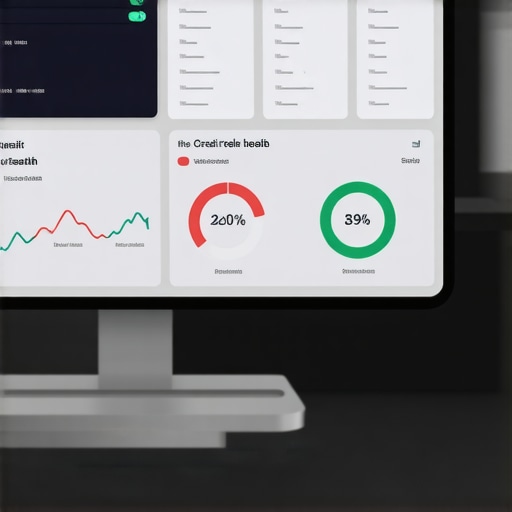
Illustration of a financial dashboard with credit scores, graphs, and alerts, emphasizing the importance of monitoring tools. Alt: Financial dashboard with credit metrics. Title: Essential Tools for Credit Maintenance.
Throughout my journey of improving credit, I realized that some lessons only become clear after making mistakes or facing setbacks. These nuggets of insight transformed my approach from guesswork to strategy. Sharing these with you might help you avoid the pitfalls I fell into and accelerate your credit growth.
- The importance of patience over quick fixes: I used to chase rapid score boosts, but I found that consistent, responsible behaviors—like paying on time and managing utilization—lead to sustainable improvements. Quick gains often fade without a solid foundation.
- Not all debt is bad, but mismanaging it is: I learned that having a healthy mix of credit types and avoiding unnecessary openings or closures can actually work in your favor. Balance and strategic management outweigh impulsive moves.
- Soft inquiries are your best friends: Many overlook that requesting higher limits or pre-qualifying for new credit can often be done with soft pulls, safeguarding your score while expanding credit access. Knowing when and how to ask is critical.
- Stay proactive, not reactive: Regularly reviewing your credit reports and staying informed about your credit status helps you catch errors early and avoid surprises that could set you back.
- Leverage expert tools and resources: Using trusted platforms like credit building hacks or consulting professionals can provide tailored strategies that standard advice might miss. Investing in knowledge saves time and trouble.
My Essential Toolkit for Building and Maintaining Credit
I rely on a few trusted tools that have consistently helped me stay on top of my credit health. Credit Karma offers free weekly updates and insights, alerting me to significant changes. Experian’s CreditWorks gives detailed reports and personalized tips, helping me identify areas for improvement. For debt management, Tally automates payments and consolidates balances, reducing interest and keeping me disciplined. These tools have become my financial copilots, making credit management less stressful and more strategic.
Keep Moving Forward — Your Credit Journey Is Unique
Remember, achieving a higher credit limit and a strong credit profile isn’t about quick wins—it’s about consistent efforts and smart decisions. Every responsible payment, every strategic inquiry, and every review builds momentum toward lasting financial health. Stay patient, stay proactive, and celebrate each small victory along the way. Your future self will thank you for the persistence and wisdom you invest today.
What’s the one credit goal you’re most motivated to achieve right now? Share below—your story might inspire someone else to take that next step!