How to Fix Your Credit After a Divorce Without a Lawyer
I remember that sinking feeling when I finally glanced at my credit report after my divorce was finalized. The account that had once been a shared symbol of a life together now looked like a battlefield—collections, missed payments, and a score that seemed to plummet every month. It hit me hard, realizing how my financial reputation was suffering, and I had no lawyer or fancy credit repair service to lean on. So, I decided to take matters into my own hands, learning the ropes from scratch and figuring out how to rebuild my credit without breaking the bank or feeling overwhelmed.
Why Rebuilding Credit After a Divorce Is More Than Just Numbers
Your credit score isn’t just a number—it’s the key to future stability, whether it’s buying a home, securing a new job, or even renting a new apartment. Divorce often brings financial upheaval—shared debts, unpaid bills, and confusion about who’s responsible for what. Unfortunately, many people overlook how significantly these changes affect their credit. Without proper attention, these drops can turn into long-term obstacles that delay your next chapter. The good news? You don’t need a lawyer or costly services to fix it. With some strategic steps, patience, and a bit of elbow grease, you can rebuild from the ashes.
And here’s a little eye-opener—according to a report by the Consumer Financial Protection Bureau, nearly 20% of credit reports contain errors, many of which are fixable by consumers themselves. Knowing that, I realized a crucial mistake I made early on—trusting the wrong information and not actively disputing inaccuracies—cost me valuable points. That’s why I want to share what I learned about taking control and mastering credit repair on your own.
Is DIY Credit Repair Worth It or Just a Myth?
I used to think only professionals could navigate credit bureaus successfully, but I soon discovered that becoming informed and proactive can yield impressive results. The key is understanding your rights and knowing exactly what mistakes to look for. If you’re worried about messing up, don’t be. There are detailed guides and resources—like the ones at Credit Counseling Insights—that can help you avoid common pitfalls and get started confidently. Remember, the main obstacle isn’t the complexity; it’s the intimidation factor. The truth is, with a clear plan and a bit of perseverance, you hold all the power to fix your credit yourself.
So, are you ready to stop feeling stuck and start rebuilding your financial foundation? In the sections ahead, I’ll walk you through practical, do-it-yourself steps to repair and boost your credit—no lawyer needed.
Start with a Thorough Credit Audit
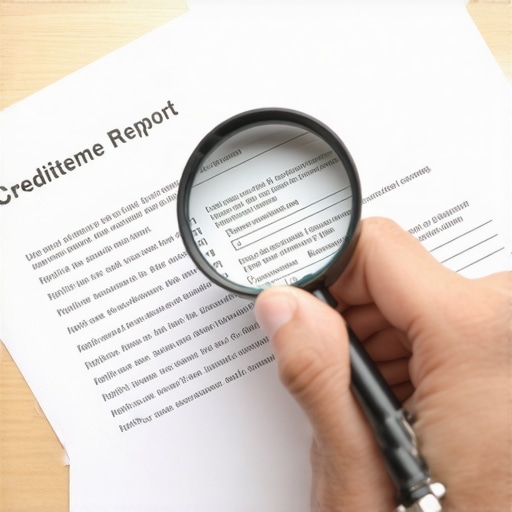
Begin by pulling your free annual credit reports from AnnualCreditReport.com to identify inaccuracies, outdated accounts, or negative marks. Think of this step as cleaning out your closet—you can’t organize unless you see what you’re working with. During my own audit, I found a couple of old collections that hadn’t been mine—disputing them was my first victory. Use the dispute process to challenge erroneous entries, ensuring your report reflects accurate data.
Address Negative Items Directly
Prioritize paying off existing debts or negotiating settlements. Use techniques like the paper method—sending debt validation and settlement letters with a paper trail—so you have documented evidence if disputes arise. I personally sent settlement letters via certified mail, which proved invaluable when the debt collector reappeared months later. Clearing or negotiating these accounts can prevent damage from unpaid bills and late payments from lingering on your report.
Build a Credit Foundation from Scratch
If your credit report lacks accounts or has a thin history, consider secured credit cards or credit builder loans. Think of it as planting seeds—small, manageable accounts that grow your score over time. I opened a secured card with a small deposit, making timely payments each month. This simple act shows creditors you’re reliable. For step-by-step guidance, review Building Credit from Scratch.
Manage Your Existing Debt Strategically
Implement debt management techniques like the avalanche or snowball method to systematically pay down balances. The avalanche approach—paying high-interest debts first—can save you money and boost your credit score faster. For a comprehensive plan, visit debt management strategies. I used the snowball method on my smallest debts to build momentum, which kept me motivated amid the messy process.
Optimize Your Credit Setup for Quick Gains
Request credit limit increases on existing accounts to lower your utilization rate, a significant factor in your score. Always ask for increases without a hard inquiry—using strategies like the automatic increase approach. I managed to get a $500 limit increase by calling customer service directly and highlighting my positive payment history. Additionally, keeping old accounts open lengthens your credit history and should be maintained unless there’s a compelling reason to close them.
Stay Consistent and Patient
Rebuilding credit takes time. Regularly review your report, dispute inaccuracies, and avoid opening multiple new accounts simultaneously, which can temporarily dip your score. Think of your credit journey as a marathon—not a sprint. Over months of disciplined effort, I saw my score climb steadily from the low 600s to above 700, opening doors that felt forever out of reach.
Remember, each step builds upon the last, and leveraging resources like credit building hacks accelerates progress. The key is persistence and strategic action, not quick fixes or shortcuts that can backfire. When you master these core techniques, you turn your financial setbacks into comebacks.

Many believe that credit counseling, debt management, or credit repair are straightforward solutions that can quickly fix damaged credit. However, a deeper dive reveals hidden pitfalls and misconceptions that can sabotage your efforts if not understood. One common myth is the idea that all credit counseling agencies are legitimate and operate within legal boundaries. In reality, the industry is riddled with scams and unregulated operators who may promise quick fixes but often leave consumers worse off. According to a study by the Federal Trade Commission, about 20% of credit repair companies engage in deceptive practices, emphasizing the importance of choosing reputable sources like trusted credit counseling.
Another nuance is the misconception that debt management plans (DMPs) always harm your credit score. In fact, when executed properly, a DMP can be a strategic move to negotiate lower interest rates and reduce debt faster. The key lies in understanding the implications beforehand; for instance, some creditors may close accounts upon enrolling in a DMP, which could slightly lower your credit age and utilization ratio temporarily. A comprehensive resource on managing these plans effectively can be found at debt management strategies.
Are DIY Credit Repair Methods Truly Safe for Long-Term Building?
Many individuals attempt to repair their credit using online dispute tools or by sending cease and desist letters without understanding the nuances involved. While these methods can be effective, they also carry risks if not applied correctly. For example, disputing accurate negative information can lead to disputes being rejected or, worse, flagged as frivolous, which might temporarily decrease your score. Additionally, failure to follow proper procedures can result in violations of the Fair Credit Reporting Act, risking legal repercussions. Experts like those at credit repair specialists warn that improvised DIY approaches, without thorough knowledge, might backfire, especially when dealing with complex issues like medical debt or identity theft. Instead, consider combining self-education with professional guidance to maximize results and ensure compliance.
Furthermore, an often-overlooked nuance is the importance of monitoring the impact of credit-building activities. For instance, opening new accounts to improve credit mix can boost scores but also increases hard inquiries, which may temporarily lower your score if mismanaged. Being strategic about when and how to utilize credit-building tools is essential. For detailed tactics, reviewing building credit from scratch offers valuable insights.
In essence, while many tools promise rapid credit restoration, understanding the intricate interplay of credit factors, legal boundaries, and long-term effects is crucial. Mistakes aren’t always obvious—often, they’re hidden beneath superficial advice or naive optimism. The nuanced approach involves patience, comprehensive knowledge, and sometimes expert intervention to ensure your efforts lead to sustainable credit health. Have you ever fallen into this trap? Let me know in the comments.
How Do I Maintain My Credit Growth Over Time
Maintaining a good credit score requires ongoing effort and the right tools. I personally rely on a combination of budgeting software, credit monitoring, and strategic credit utilization management to keep my credit profile in top shape. One tool I find indispensable is credit building hacks, which alert me to changes in my credit report and suggest actionable steps to improve or protect my score. Regularly reviewing your credit report using free annual reports from AnnualCreditReport.com ensures any inaccuracies are caught early, preventing small errors from becoming long-term damage.
Additionally, some of the automation tools I use set up alerts for large invoices or suspicious activity, so I can act promptly—this is vital in the digital age when threats are constantly evolving. Tools like effective credit repair tips help me stay proactive, especially during major life changes or unexpected setbacks. These systems are designed to support longevity, not just quick fixes, so I can enjoy steady progress without constant manual oversight.
Predictions Where Credit Maintenance Is Headed
Looking ahead, I believe that AI-driven credit management systems will become increasingly personalized, providing tailored advice based on your unique financial behaviors. Enhanced algorithms will preemptively suggest adjustments and catch potential issues before they impact your score. We’re also likely to see more integration with banking apps, offering real-time insights and automated corrections—making credit health a seamless, daily part of financial life.
What Are the Best Strategies to Keep Credit Repair Progress Long-Term
Building on the foundational tools, maintaining long-term credit health involves consistent habits. For example, setting up automatic payments ensures bills are paid on time, avoiding late marks that harm your credit. I also recommend periodically requesting credit limit increases through strategies like the automatic increase approach—this helps lower your utilization ratio without risking a hard inquiry. Keeping old accounts open maximizes your credit history length, contributing positively to your score over years.
Finally, diversifying your credit mix by responsibly managing different types of credit can bolster your score’s resilience. This strategic diversity, combined with ongoing monitoring and adjustments using the recommended tools, ensures your credit profile remains healthy long-term. Sketching out a schedule for regular reviews and updates—say, quarterly—solidifies these habits and prevents neglect.
Is There a Tool That Combines Maintenance and Growth Tracking?
Absolutely. I now use a comprehensive credit monitoring service that consolidates alerts, score tracking, and report analysis in one dashboard. This integration simplifies managing my credit health and keeps me proactive. Investing in such a tool may seem like an extra step, but it pays off by catching issues early and maintaining momentum. For those serious about long-term success, I recommend trying a system that pairs automated alerts with actionable insights, like the ones outlined at credit counseling insights.
Start small—try setting up automatic payments or requesting a credit limit increase with your existing accounts. These advanced tips will compound over time, transforming your credit management from reactive to strategic. Remember, maintaining credit isn’t a one-time effort; it’s an ongoing process that rewards discipline and smart tool use. Are you ready to take your credit health to the next level with these strategies? Give one a try today and watch your financial confidence grow.

Illustration of a person reviewing their credit dashboard on a digital device, illustrating proactive credit management and the importance of monitoring tools.
Throughout my journey to rebuild credit after a divorce, I uncovered several lessons that deeply changed my perspective—lessons that often go unnoticed in mainstream advice. One of the hardest truths was realizing that many so-called expert strategies are oversimplified or outright misleading. For instance, the myth that paying off debts quickly always equals faster credit recovery couldn’t be more wrong; sometimes strategic patience and understanding credit scoring nuances matter more. Another personal lightbulb moment was discovering how critics of DIY credit repair often overlook the power of education—armed with the right knowledge, I felt more confident than ever to navigate disputes and credit strategies myself. Lastly, I learned that your emotional mindset plays a pivotal role; cultivating patience and resilience is as important as any technical step, because credit rebuilding is a marathon, not a sprint. These insights taught me that mastery over your credit health is truly within your grasp—if you’re willing to look beyond surface-level advice and embrace the deeper, often hidden truths.
My Essential Tools That Made a Difference
After months of trial and error, I found a few resources that became my go-to toolkit for credit repair and management. The credit counseling insights website offered a treasure trove of actionable tips, helping me avoid common pitfalls. I also relied heavily on building credit from scratch guides, which explained how secured cards and credit builder loans could kickstart my credit profile. For ongoing monitoring, I chose a comprehensive service that combined real-time alerts with personalized advice—crucial for maintaining progress and catching errors early. These tools didn’t just support me—they empowered me to take control of my financial destiny, avoiding costly mistakes and accelerating my recovery process.
Embrace Your Power to Change the Narrative
If I could offer one piece of encouragement to anyone feeling overwhelmed by credit issues, it would be this: you hold the power to redefine your financial story. Every small step—disputing an error, requesting a limit increase, or making on-time payments—builds momentum. It’s tempting to wait for a ‘perfect’ moment or to seek quick fixes, but sustainable credit health comes from consistent, strategic actions. Remember, setbacks happen—what counts is your response and resilience. The future of building, repairing, and maintaining credit is brighter than ever, especially with the right mindset and the tools at your fingertips. So, take a deep breath, choose to act today, and watch your confidence—and your credit score—rise. Are you ready to turn your financial setbacks into comebacks? Drop your thoughts below and let’s support each other on this journey.