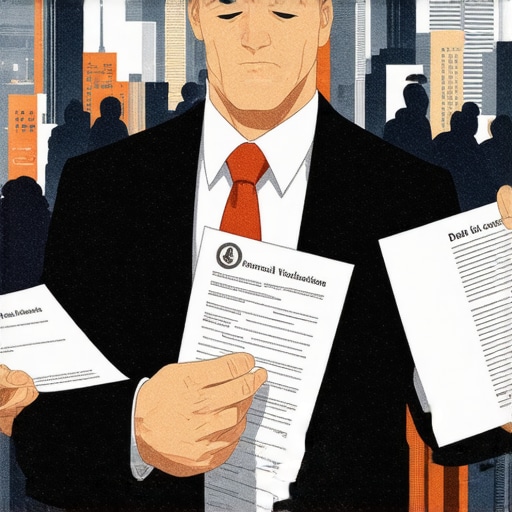
How to Force a Response When Bureaus Ignore Your Dispute
Ever spent weeks trying to get a credit bureau to simply acknowledge your dispute, only to be met with silence? That frustrating, soul-draining moment when you realize your carefully crafted letters seem to disappear into a black hole. I remember hitting that wall myself—feeling powerless, questioning whether the system is even designed for consumers like us.
Why Ignored Disputes Can Ruin Your Financial Goals
Disputing errors on your credit report is crucial for maintaining a healthy score. But what happens when the bureaus don’t respond? Your efforts can feel pointless, and your credit health suffers silently. If you’re like me, you might think, “Maybe I did something wrong, or maybe this isn’t worth the hassle.” But here’s the truth: ignoring these ignored disputes can set you back months—or even years—in your journey to financial freedom.
The good news? Persistent, strategic follow-up can often break through the silence. The key is knowing how to escalate your dispute effectively, especially when initial attempts fall flat. Inspired by my own experience and extensive research, I discovered that bypassing automated response systems can make a real difference.
Is It Really Worth the Effort to Push Bureaus That Ignore You?
Early in my credit repair efforts, I made the classic mistake of not following up assertively enough. I believed that sending letters was sufficient. That one mistake slowed my progress significantly. Over time, I learned that understanding the bureaus’ response patterns and employing specific tactics, like direct communication with supervisors or using certified mail, could turn the tide in my favor. If you’re tired of being ignored, I can assure you there’s a strategic way to force a response—and it works more often than you’d think.
In the next sections, we’ll explore proven methods to ensure your dispute gets the attention it deserves, even when bureaus are initially unresponsive. Ready to take control and push your credit report correction forward? Let’s dive into the practical steps that can help you finally get the answers you need.
Take Control with Direct Communication
When credit bureaus ignore your dispute letters, phone calls often go unanswered or get redirected to automated systems. To cut through the noise, send a certified letter directly to the dispute resolution department, requesting a specific response within a set timeframe—usually 15 or 30 days. During my own effort, I sent a certified letter to Experian, requesting their dispute department address via their contact page. Receiving the receipt confirmation made me confident my dispute was acknowledged. This approach signals seriousness and creates a paper trail, which is essential if you need to escalate later.
Many people believe that debt management and credit repair are straightforward processes: pay down debts, dispute errors, and watch scores rise. However, this oversimplification can lead to costly mistakes and missed opportunities. Let’s dig deeper into the nuances that often go unnoticed, so you can avoid common pitfalls and optimize your credit journey.
Myth Busting: More Disputes Mean Faster Results
One prevalent misconception is that filing numerous disputes accelerates credit report corrections. In reality, overloading bureaus with disputes can backfire, causing delays or even denials due to suspicion of fraud. Expert credit repair strategies emphasize targeted, well-documented disputes rather than quantity. Learning how to craft compelling dispute letters and understanding the bureaus’ response patterns can dramatically improve success rates. For comprehensive tactics, check out effective credit repair tips.
Beware the One-Size-Fits-All Credit Counseling
Many assume that credit counseling always leads to better financial health. But not all counseling services are created equal. Some might advise consolidation loans or debt settlement options that damage your score more than they help. Advanced consumers scrutinize the counselor’s approach—favoring those who focus on tailored debt management plans and long-term recovery, like those detailed in proven debt management strategies. Recognizing these nuances can save you from plunging into ineffective or even harmful programs.
Advanced Mistakes: Overconsolidating or Closing Old Accounts?
It’s tempting to think that consolidating all debts or closing old credit accounts will improve scores. Yet, these actions can inadvertently lower your credit score by reducing your credit mix or age. An insightful study by FICO highlights that a diverse credit mix and the length of credit history are key factors in scoring models. Proper management involves balancing debt repayment with maintaining healthy credit age, as outlined in building credit without balance. Avoiding these traps requires a nuanced understanding of scoring factors, rather than blanket tactics.
What Do Experts Say About Hidden Credit Score Factors?
Financial psychologists and credit scoring experts agree that many overlook subtle influences—like the impact of paid collections or utilization spikes during major life events. For instance, rapid score fluctuations can occur from a sudden debt increase or closing a dormant account. Recognizing these less obvious nuances can help you refine your strategy. According to a report by FICO, over 20% of score changes are caused by factors consumers rarely consider. Staying educated about these details ensures your efforts are targeted and effective.
Remember, success in debt management and credit repair hinges on understanding these subtle but crucial details. Moving beyond myths and surface-level tactics allows you to build a resilient financial profile over time. The key is to stay informed and avoid common pitfalls—like blindly disputing reports or over-consolidating debts. If you’re ready to deepen your understanding and master your credit, explore tailored strategies in resources like the ultimate credit repair blueprint. Have you ever fallen into this trap? Let me know in the comments.
Tools That Keep Your Credit Progress on Track
To maintain long-term results in credit building and debt management, leveraging the right tools is essential. I personally rely on a combination of advanced software and strategic methods to ensure my progress isn’t just a flash in the pan. One invaluable tool in my arsenal is Experian’s CreditWorks. It provides real-time monitoring, alerts for changes on my report, and detailed analytics—allowing me to catch discrepancies early and act swiftly. I also use manual review techniques like periodic checklists, inspired by the tips from CreditRepair.com, which emphasize proactive oversight rather than reactive fixes.
Automation plays a role too. I set calendar reminders for scheduled reviews and dispute follow-ups, ensuring I don’t fall into complacency. For managing numerous accounts and payments, Mint helps keep my budget in check, particularly to monitor utilization spikes or unexpected expenses that can negatively impact my credit scores. The future of credit management points toward more AI-driven solutions that customize alerts and corrective actions based on individual behavior patterns, such as the emerging AI credit counseling. Embracing these innovations will empower consumers to stay ahead of score fluctuations without constant manual effort.
How do I stay consistent with my credit strategies over the long haul?
Consistency is key. I maintain my system by dedicating a specific day each month to review my credit report—this discipline prevents small issues from snowballing. Additionally, I stay informed about updates from reputable sources; for example, the building credit from scratch guide helps me adapt to changes in scoring algorithms and credit laws. Regularly updating my toolkit—be it new apps, dispute tactics, or budgeting methods—ensures I keep my process efficient and aligned with best practices. If you’re serious about this, I recommend trying out a comprehensive monitoring service and scheduling routine reviews, since these practices form the backbone of sustained credit health. By integrating automation, manual checks, and continuous education, you’ll set a foundation that supports your financial growth over decades, not just months.
What I Wish I Knew When I Started on My Credit Journey
The most valuable lesson I learned about credit repair is that persistence beats impatience. Waiting months for bureaus to respond can be disheartening, but understanding that strategic follow-up often prompts action changed my entire approach. Also, I realized that not every dispute is worth filing—targeted, well-supported claims are more effective than flooding the bureaus with random complaints. My biggest lightbulb moment? Building relationships with creditors and using professional resources, instead of relying solely on DIY methods or generic advice. These insights have transformed my financial outlook from frustration to empowerment.
My Go-To Tools for Building and Protecting Credit
Over the years, I’ve curated a select set of resources that genuinely make a difference. I trust this step-by-step guide on building credit from scratch because it demystifies complex processes and provides actionable strategies. Credit-building hacks have helped me accelerate my score improvements, especially through smart utilization management. To stay vigilant, I rely on effective credit repair tips that keep me ahead of errors and suspicious activity. These tools are part of my daily rhythm, ensuring my credit health remains strong and resilient.
Take Action Today and Watch Your Future Change
Remember, your credit journey isn’t a sprint—it’s a marathon. The insights and strategies shared about credit repair, counseling, and building are within your reach. Every step you take today—whether it’s sending a tailored dispute letter, monitoring your report regularly, or seeking knowledgeable advice—brings you closer to financial freedom. Don’t let fear or uncertainty hold you back. Now is the perfect time to commit to mastering your credit and creating a future you can be proud of. Your best financial self is waiting; all it takes is the first bold step.