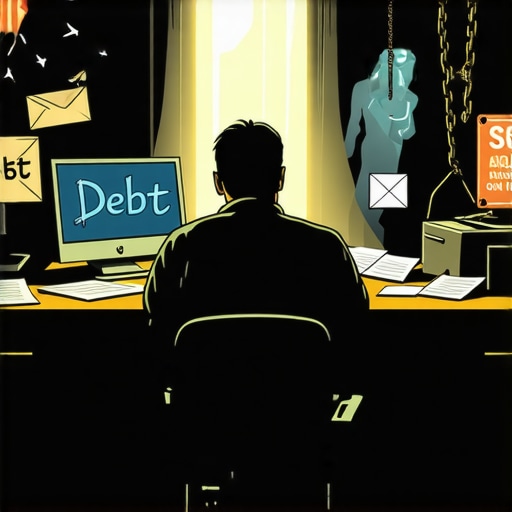
The ‘Ratio Method’ for Killing Debt Faster Than a Snowball
I remember the moment vividly – staring at my credit card bills, feeling like no matter how much I paid, the numbers just wouldn’t budge. It was a mix of frustration and desperation that hit me one evening. I had tried the usual debt snowball, tackling the smallest balances first, but somehow, my debts grew even more intimidating. That’s when I stumbled upon a lightbulb: maybe my approach was all wrong. The realization hit me hard – I needed a smarter, more strategic way to get out of debt, not just work harder at the same ineffective methods.
Why It’s Time to Rethink Debt Payoff Strategies
If you’ve ever felt overwhelmed by your debt, you’re not alone. Most of us have been there, caught in a cycle of payments that seem to do little more than keep us afloat. The common debt snowball approach capitalizes on quick wins—paying off the smallest debts first—but it often overlooks the bigger picture of interest accumulation and how my debt ratios impact my financial health. In my early days, I gave in to the temptation of minimum payments, thinking I was doing enough. But a startling study by the Federal Reserve revealed that Americans spend an average of 500 hours annually just paying off credit card interest. That’s money and time wasted, and I knew I had to find a better way.
Ever Wondered If There’s a Faster, Smarter Way?
That’s exactly what I promised myself I’d discover. Enter the ‘Ratio Method’ — a game-changer for anyone serious about ditching debt faster than a snowball can roll downhill. Unlike traditional methods that often neglect the importance of balancing your debt-to-credit ratio, this approach prioritizes optimizing those ratios, so you not only pay less interest but also boost your credit profile in the process. Early on, I made the mistake of focusing solely on the lowest balances, thinking it was the fastest route out. But that only prolonged my struggle and damaged my credit score. Trust me, I learned the hard way that tweaking your debt ratios can accelerate your payoff and improve your credit health simultaneously.
If you’re tired of feeling stuck and want practical, proven strategies, stay with me. Over the next sections, I’ll break down how the ‘Ratio Method’ works, share real-life success tips, and help you craft a plan to demolish your debt faster than you ever imagined.
Prioritize Your Debts by Debt-to-Credit Ratios
Start by calculating the ratio of each debt to its corresponding credit limit. For instance, if you owe $500 on a card with a $2,000 limit, your ratio is 25%. Focus on debts where this ratio exceeds 30% as a priority, since high ratios can hurt your credit score and lead to higher interest costs. In my case, I gathered all my credit statements and made a spreadsheet, which initially looked overwhelming but quickly revealed which debts were dragging my ratios. This step helped me identify the debts that had the most leverage to boost my credit profile and reduce interest payments.
Rebalance Payments for Maximum Impact
Shift Your Focus to High-Ratio Accounts
Instead of paying the smallest balance first, allocate extra funds toward debts with the highest ratios. This action reduces your overall utilization and demonstrates responsible credit management. I remember temporarily redirecting my funds from more manageable debts to the one with a 45% ratio, even if it meant delaying minimal payments on others. The result? My credit score started climbing, and I saw noticeable interest savings within weeks.
Adjust Payment Strategies with the Half-Payment Rule
Apply the “half-payment” rule—paying twice the minimum—on debts with high ratios to accelerate their reduction without overextending your budget. For example, if the minimum is $50, aim for $100, which shortens your payoff timeline and cuts interest. I implemented this tactic on my credit cards, and after consistently paying double the minimum for a few months, I unexpectedly received a credit increase, further lowering my utilization rate. This physical shift in payment behavior creates momentum that benefits both your credit profile and debt-free timeline.
Use Strategic Disputes to Correct Report Errors and Boost Ratios
Verify your credit reports for inaccuracies affecting your debt ratios by regularly reviewing reports. If you discover incorrect balances or outdated information, use proven disputing strategies, such as the ideas detailed in credit counseling insights, to correct them. In my experience, correcting a $200 error on one account lowered my reported debt significantly, improving my ratio and kudos from the scoring models. These small but impactful adjustments can make a tangible difference in your overall financial health.
Monitor and Optimize Your Ratios Monthly
Set a monthly routine to review your ratios and adjust your payments accordingly. Tools like online budgeting apps or your bank’s tracking features can help. During my second month, I noticed my ratios dipping below critical thresholds, prompting me to accelerate payments on a few cards. This ongoing process kept me motivated and consistently improving my credit health. Keeping a close eye on these ratios ensures your payoff strategy stays aligned with your ultimate goal of financial freedom.
Integrate with Broader Credit Building Efforts
Combine ratio management with initiatives like reporting rent payments, acquiring secured cards, or pursuing authorized user status on responsible accounts. These actions align with comprehensive credit strategies explained in building credit from scratch and credit-building hacks. I found that improving my ratios complemented these efforts, resulting in faster score gains, which opened doors to better loan terms and lower interest rates. Consistent, strategic ratio management accelerates your journey out of debt and toward a robust credit profile.When discussing debt management, a common misconception is that simply paying more towards your balances always accelerates your progress. In reality, the nuance lies in understanding how your payments affect your credit ratios and interest costs. Many believe that debt reduction is just about paying off the highest balances first or making minimum payments; however, this approach often misses the bigger picture of credit scoring algorithms and interest optimization. For instance, aggressively paying down high-utilization accounts can dramatically improve your credit score faster and lower interest expenses, especially when combined with strategies like the half-payment rule and dispute tactics, which many overlook.
A crucial myth is that credit counseling services are only for those struggling with unmanageable debt. While traditional counseling can be beneficial, the real value lies in tailored plans that optimize your credit utilization and dispute inaccuracies to rebuild your credit faster. But beware of the common trap: some low-quality agencies may prioritize quick fixes over sustainable credit health, potentially damaging your profile more in the long run. Always verify the credibility of your provider and opt for those who focus on smart credit rebuilding methods.
Advanced investors and savvy consumers ask: How can I leverage dispute techniques beyond simple errors to strategically improve my credit health? One overlooked nuance is using the dispute window for outdated or unverified accounts, which can be a game-changer in removing stubborn negative marks. Additionally, understanding when and how to use data privacy laws to erase or challenge accounts can make a significant difference. The mistake many make is not actively managing their report as a dynamic document—regularly reviewing and disputing can result in tangible improvements.
Beware of the “set-it-and-forget-it” mentality about credit repair; progress requires active management and strategic disputes. Moreover, rushing to close old accounts to improve your credit score can backfire, as it may reduce your average account age, which is a vital scoring factor. Instead, focus on maintaining positive accounts, gradually reducing balances, and disputing inaccuracies that silently hurt your ratios.
So, what’s the real secret? It’s about mastering the subtleties—balancing your credit ratios with precision, disputing errors due to strategic dispute scripts, and understanding how your credit profile interacts with scoring models. This holistic, nuanced approach can lead to faster debt payoff, better credit scores, and more favorable financial opportunities.
Have you ever fallen into this trap of oversimplifying your credit recovery? Let me know in the comments! For deeper insights, explore mastering debt management strategies and learn how to fine-tune your approach today.
Maintaining Momentum with the Right Tools
Consistent success in debt management relies heavily on the tools and systems you employ. Personally, I swear by a combination of robust budgeting software like You Need a Budget (YNAB) and credit monitoring services such as Credit Karma. YNAB helps me stay on top of my monthly income and expenses, ensuring I allocate extra funds toward high-ratio debts promptly and avoid overspending that could hinder payoff efforts. Meanwhile, credit monitoring provides real-time updates on fluctuations in my credit profile, allowing me to spot any discrepancies or adverse changes before they impact my scores.
For those aiming to hone their debt payoff strategy, integrating these tools into a routine review process is invaluable. I set monthly reminders to verify my ratios and ensure my payments are aligned with my goals. This habit not only keeps me accountable but also makes adjustments faster—discovering a spike in utilization or an error that could slow progress and addressing it immediately.
Future Trends in Debt and Credit Management Tools
Looking ahead, I believe AI-driven analytics and automation will become even more integral—providing personalized insights and proactive suggestions based on your financial behavior. Tools like AI-powered credit repair platforms are evolving rapidly, offering tailored dispute strategies that can save time and increase success rates. Staying current with these innovations can give you an edge, significantly accelerating your path to financial freedom.
How do I keep my debt strategy thriving over the long term?
Regularly reviewing your progress, updating your tools, and educating yourself on emerging techniques are key. Don’t forget to revisit your credit report periodically—disputing outdated or inaccurate entries, as outlined in dispute best practices, can prevent small errors from sabotaging your efforts. Additionally, automating payments whenever possible ensures consistency, which is critical for maintaining good credit habits.
My personal tip: try implementing the half-payment rule on high-ratio accounts and set monthly alerts to review your ratios. This simple tweak can keep your progress on track and prevent lapses caused by forgetfulness or complacency.
In conclusion, the right combination of tools, regular review routines, and staying abreast of technological advancements creates a strong foundation for enduring debt success. By making these practices a habit, you’ll sustain your momentum and keep debt at bay for the long haul.

The Hard-Earned Truths I Wish I Knew About Debt and Credit Strategy
One of my most impactful lessons was realizing that managing debt isn’t just about paying down balances—it’s about understanding the intricate dance between credit ratios, interest rates, and your long-term financial goals. I once believed that aggressive payoffs alone would fix everything, but I learned that strategic ratio management and active dispute tactics can accelerate progress significantly. The biggest lightbulb moment? Recognizing that small errors and outdated information on reports can silently sabotage your efforts, making regular review and correction a crucial part of the process.
Navigating Tools and Resources that Truly Make a Difference
The right tools can be game-changers in your debt management and credit building efforts. I trust building credit from scratch for foundational strategies, especially if you’re starting out. For ongoing monitoring, credit counseling insights help keep my ratios in check. When it comes to dispute strategies and faster credit score improvements, I lean on credit-building hacks—they’re practical and tailored for real-world progress. Incorporating these resources into your routine can help you stay proactive and confident as you work toward debt freedom.
Your Next Step: Take Charge with Confidence
Remember, your journey to debt liberation and solid credit health isn’t a sprint—it’s a smart, strategic marathon. Embrace the nuanced techniques like optimizing your credit ratios, disputing inaccuracies effectively, and making data-driven adjustments regularly. Every small step adds up, and with the right mindset and resources, you’re capable of transforming your financial future. Don’t wait for perfect conditions—start today, refine your approach, and celebrate the momentum you build along the way. Your path to financial freedom is within reach, so take that first step now!