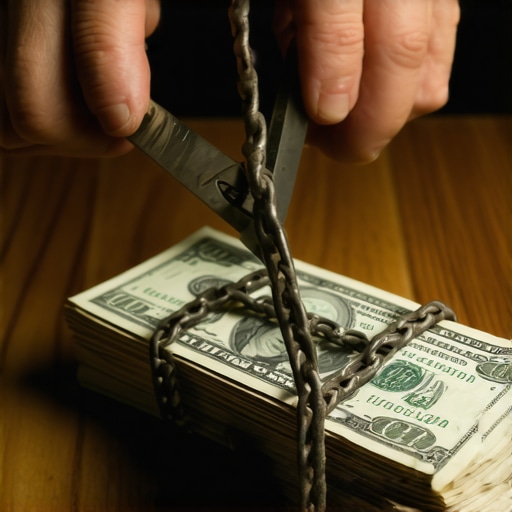
The ‘Pay-Down’ Priority for Multiple Credit Cards
I’ll never forget the moment I stared at my credit card statements, feeling overwhelmed by the mountain of debt on several fronts. It was like trying to juggle flaming torches—dangerous and downright exhausting. I realized I needed a clear plan, not just random payments chasing after high balances. That lightbulb moment changed everything, and I started exploring smarter ways to pay down multiple credit cards effectively. If you’ve ever felt stuck balancing multiple balances and unsure where to focus, you’re not alone. I promise, there’s a strategy that simplifies the chaos and accelerates your progress.
Why Prioritizing Your Credit Card Pay-Down Actually Matters
Focusing on which credit cards to pay off first can feel a bit overwhelming. You might think paying the minimum everywhere is good enough, but that often leads to higher interest costs and prolonged debt. When I first tried to tackle my debt, I was tempted to clear the smallest balances first, thinking it would boost my motivation. However, I crunched the numbers and learned that targeting higher-interest cards first saves money in the long run, even if it seems counterintuitive initially. This approach isn’t just theory; it’s supported by experts who recommend paying down high-interest debt to minimize total repayment costs. For a comprehensive plan, I leaned on insights from The Ultimate Credit Repair Blueprint for 2025.
What if Your Fear of Falling Behind Stops You
One mistake I made early on was trying to pay off everything at once without a clear order. It felt like I was chasing shadows and risking even more missed payments. Recognizing and avoiding this common pitfall is crucial. If you’re worried that focusing on one or two cards will make others worse, know that a strategic pay-down plan actually streamlines your debt and improves your credit score faster. Curious to learn how to develop this targeted approach? Stick around, because the steps I’ll share next will turn chaos into clarity. Let’s dive into the practical methods that can help you regain control and build trust with your creditors.
,
Targeting High-Interest Credit Cards First to Save Money
Start by listing all your credit cards with their balances and interest rates. Focus on the card with the highest interest rate; making extra repayments here reduces the amount of interest accrued over time. I once prioritized my credit card with a 22% APR over smaller balances, which initially felt daunting but ultimately cut my total repayment period and interest costs. To implement this, allocate any extra funds toward that card while maintaining minimum payments on others. This method is supported by experts in The Ultimate Credit Repair Blueprint for 2025.
Creating a Clear Payment Schedule to Maintain Discipline
Establish a fixed monthly payment plan aligned with your income. Break down your total debt into manageable chunks—like a diet plan for your finances—so that you stay on track. Use automatic transfers to prevent missing deadlines, which can damage your credit score and increase interest. I once set up automated payments for my highest-interest card to stay consistent, and it made a significant difference in my progress. Regularly review and adjust your schedule to stay motivated and on course, ensuring you don’t fall behind. For detailed strategies, check Effective Credit Repair Tips.
Leveraging the Snowball or Avalanche Method for Faster Results
Two popular techniques—snowball and avalanche—help prioritize payments effectively. The snowball method pays off the smallest balance first, providing quick wins and boosting motivation. Conversely, the avalanche targets the highest-interest debt first, saving you more money. I experimented with the snowball method initially, paying off a small card to feel accomplished, then switched to the avalanche to maximize savings. Choose the method that aligns with your personality—if motivation is a challenge, the snowball can keep you moving; if savings are your priority, go for avalanche. Learn more about these techniques in Debt Management Secrets.
Negotiating with Creditors for Better Terms
If you’re struggling, don’t hesitate to contact creditors to negotiate payment plans, lower interest rates, or even settlement amounts. Approach them professionally, explaining your situation and proposing a realistic plan. I once called a credit card issuer and negotiated a reduced interest rate, which lowered my monthly payments and made my debt more manageable. Remember, creditors want to recover their funds, and a cooperative attitude often yields better results. Use tools from Credit Repair Techniques to prepare your negotiations.
Monitoring Progress and Adjusting Your Plan
Track your payments and changes in your balances regularly using spreadsheets or apps. This visibility helps you stay motivated and allows you to tweak your strategy if certain debts become more manageable or require more focus. For example, after paying off one card, I reassigned funds to accelerate payments on others, which sped up my overall debt reduction. Consistent monitoring ensures you stay aligned with your goals and can celebrate milestones, reinforcing your commitment. For more on maintaining momentum, visit Credit Building Hacks.
Building Credit While Paying Down Debts
Simultaneously, focus on rebuilding your credit by maintaining small, controlled credit lines, such as secured cards or authorized users. Make payments on time to demonstrate responsibility, and avoid closing old accounts, which helps improve your credit history length. I added myself as an authorized user on a family member’s account, which boosted my score without extra effort. Consistent, responsible credit use during debt repayment enhances your credit profile for future lending needs. More tips are available in Building Credit from Scratch.
Final Tips for Staying on Track and Achieving Debt Freedom
Set specific, measurable goals with deadlines — like paying off a card within six months — and celebrate each milestone. Avoid new debts unless absolutely necessary to prevent setbacks. Use a visual chart to track progress and keep your motivation high. Remember, tackling debt is a journey of discipline, strategy, and patience. Every small step you take brings you closer to financial freedom—and the peace of mind that comes with it.
Many assume that credit repair and debt management are straightforward, quick fixes. However, a common misconception is that aggressive credit score boosting methods always yield the best results. In reality, rushing into credit corrections without understanding the nuances can backfire, leading to unintended consequences such as lower scores or legal complications. For instance, some believe that disputing all negative items on their report will immediately improve their credit, but indiscriminate disputes can flag your account and cause delays or rejections. Experts like those at top credit repair myths warn against these hasty tactics, emphasizing strategic, evidence-based actions.
A frequent mistake is underestimating the significance of your credit utilization ratio. Many focus solely on paying off debts but ignore how closing or opening accounts might impact their total utilization and credit length, both vital for score improvement. Additionally, newcomers often overlook the importance of a robust credit mix. Simply paying down credit cards won’t significantly lift scores if you lack diverse credit types. Building a responsible mix—such as authorized user accounts or small installment loans—can accelerate progress, as outlined in building credit strategies.
Now, let’s tackle a question often posed by advanced readers:
Why does debt settlement sometimes harm my credit score, even when I think it’s a good deal?
Debt settlement involves negotiating with creditors to pay less than owed, but it can negatively impact your credit because it often results in unresolved or disputed accounts reported as settled or charged off. This status signals financial distress to lenders, reducing your score and future borrowing capacity. According to credit experts, it’s crucial to weigh the short-term savings against long-term credit health. Negotiating lower interest rates or payment plans typically benefits your score more than settling for less.
Many overlook the importance of setting up a smart, sustainable plan right from the start. Quick fixes might seem appealing but often overlook the importance of consistent, strategic credit management. For example, maintaining on-time payments and keeping credit utilization low are proven ways to steadily improve scores. Always remember, small, disciplined steps often yield better results than shortcuts that might later require extensive repair.
Have you ever fallen into this trap? Let me know in the comments, and share your experiences. By understanding these hidden truths and avoiding common pitfalls, you can build and repair your credit intelligently and sustainably. For more insights, visit credit counseling tips or explore the ultimate credit repair blueprint to ensure you’re on the right track.
Invest in Quality Credit Monitoring Software
To truly keep your credit repair efforts on track, I recommend using Experian’s CreditWorks or Credit Karma. I personally prefer Credit Karma because it provides free weekly updates on my credit score and detailed accounts of recent activity, which helps me spot any unauthorized changes instantly. These tools offer alerts for new accounts or inquiries, enabling me to respond quickly and prevent fraud or errors from slipping through the cracks. Regular monitoring ensures that your hard-earned progress doesn’t regress due to unnoticed mistakes or identity theft.
Leverage Budgeting Apps for Long-Term Success
Maintaining a manageable debt level requires disciplined spending. I rely on MyBudgetPlan, an app that syncs with my bank account and categorizes expenses automatically. It helps me set spending limits and track progress toward debt repayment goals. This proactive approach prevents overspending, ensuring I allocate sufficient funds toward debt reduction every month. As credit repair is ongoing, these tools help me stay disciplined and avoid slipping into old habits that could derail my progress.
Develop a Systematic Approach to Dispute Errors Efficiently
Persistent inaccuracies can undermine your credit score over time. I use the evidence-first dispute method, which relies on collecting concrete proof before challenging inaccuracies. Document everything meticulously—screenshots, letters, and statements—to build a solid case. This strategy minimizes unnecessary disputes and accelerates correction processes. Consistent, well-documented disputes save time and reduce frustration, ensuring your report reflects an accurate, improving credit profile.
Automate Payments to Avoid Missed Deadlines
One of my most effective tools is setting up automatic payments through my bank’s online platform for at least the minimum amount due. This simple step guarantees that I avoid late payments, which significantly damage credit scores. For larger payments, I schedule reminders a few days in advance. Automation turns a forgettable task into a set-and-forget process, allowing me to focus on strategic debt management rather than worry about missing payments. This consistent discipline keeps my credit history clean and steadily improving.
Forecasting Future Trends in Credit Management
The rise of AI-driven credit analysis and personalized financial advice suggests that in the near future, tools will become even more tailored to individual needs. Predictive analytics could help identify the most impactful actions for each person, enabling smarter decisions around debt payoff, credit building, and fraud prevention. Staying ahead will require embracing these innovative solutions and continuously updating your toolkit to leverage emerging technologies effectively. As experts like credit counseling in 2025 forecast, adaptability is key to long-term success.
How do I maintain my credit health over time?
The answer lies in consistent monitoring, disciplined automation, and staying informed about evolving tools. I encourage you to try out a comprehensive monitoring service like Credit Karma alongside budgeting apps and dispute systems. Start small—perhaps by automating your payments—and gradually incorporate new tools as your financial situation improves. Remember, credit repair isn’t a one-time effort but a continual process of strategic maintenance and adjustment. Keep experimenting with these tools, adapt to technological advancements, and you’ll sustain your credit health for years to come. For more insights into maintaining your progress, visit credit counseling insights.
3 Lessons That Changed My Entire Approach to Credit and Debt
- Patience Outweighs Speed: I once believed quick fixes were the answer, but I learned that sustainable credit health is built over time. Rushing can lead to costly mistakes, so embracing steady progress proved more rewarding.
- Every Small Win Counts: Paying off a single high-interest card created a momentum I never anticipated. Celebrating these milestones kept me motivated in the long run.
- Negotiation Is Power: Reaching out to creditors for better terms often yields results most people overlook. Small requests, like reduced interest rates, saved me thousands and improved my credit trajectory.
- Understanding My Credit Profile Was Key: Learning about credit utilization and mix helped me tailor my efforts effectively, rather than waste resources on less impactful strategies.
My Favorite Tools and Resources to Stay Ahead
- Effective Credit Repair Tips: Trusted because they focus on proven, evidence-based strategies that genuinely improve scores without gimmicks.
- Credit Counseling Insights: Offers practical advice and personalized steps that align with my goals for long-term financial stability.
- Building Credit from Scratch: Essential for anyone starting from zero, I found their step-by-step guidance invaluable for laying a strong foundation.
- The Ultimate Credit Repair Blueprint for 2025: This comprehensive plan kept me focused and proactive in my credit journey, ensuring I covered all bases effectively.
Your Journey Starts Today—Make It Count
Mastering credit repair and debt management isn’t just about fixing numbers; it’s about reclaiming your financial confidence. Remember, every strategic step you take today shapes the stable, secure future you deserve. Be patient, stay disciplined, and leverage the right tools—your best financial self is within reach. Now, I want to hear from you: Have you ever struggled with developing a plan to pay down debt efficiently? Share your experiences below and let’s grow together.