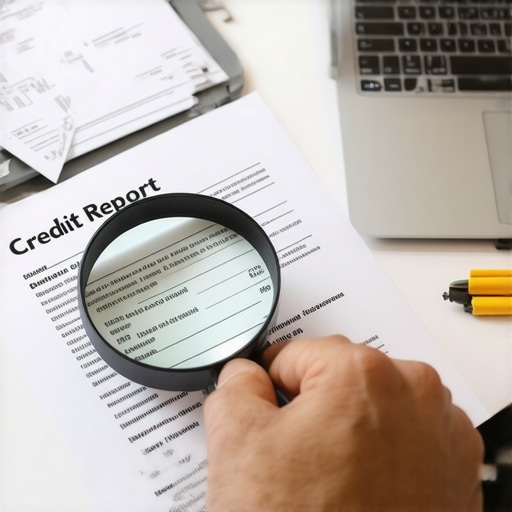
Why Online Disputes Are the Fastest Way to Get Your Claim Denied
I remember the moment clearly—desperation creeping, blood rushing to my head as I watched my credit score tumble after a dispute attempt backfired. I thought I was fighting for my financial health, but I was actually giving my creditors a golden ticket to deny my claims even faster. It felt like a punch to the gut, realizing I’d been unknowingly playing into their hands. If you’ve ever tried to correct an error on your credit report online, only to be met with an outright rejection, you’re not alone. That lightbulb moment? It’s where I learned the hard way that online disputes are often the quickest route to claim denial.
Why Online Disputes Are the Fastest Path to Denial—and How to Avoid It
Is Your Dispute Revolutionary or a Recipe for Rejection?
Early on, I made the mistake of disputing everything online—thinking it would expedite the process. Turns out, many disputes submitted via web portals get flagged as frivolous or incomplete, especially if the evidence isn’t rock solid. According to a 2022 report by the Consumer Financial Protection Bureau, approximately 30% of online disputes are dismissed because they lack proper documentation or are filed improperly. The irony? That’s exactly why I got my claims denied—my online dispute was weak and easily dismissed. So, what I learned is that the fastest way to sabotage your credit dispute is to mishandle the process early on. That’s where structured, expert-guided strategies come in.
Now, if you’re wondering whether disputing online is worth the hype, I want to be real with you. The truth is, without proper knowledge, online disputes can become the fast lane to claim denial, wasting your time and energy. Instead, I recommend a methodical approach, backed by proven techniques listed in effective credit repair strategies. When done correctly, you can significantly boost your chances of success and avoid unnecessary setbacks.
But don’t worry—this post isn’t just about warning you away from bad practices. We’re about to dive into practical, step-by-step methods that can help you navigate the dispute maze without falling into common pitfalls. Whether you’re just starting or trying to fix lingering issues, understanding the nuances of online disputes will empower you to protect your claims and get the results you want.
Gather Rock-Solid Evidence Before Filing Disputes
Start by meticulously collecting all relevant documentation that supports your claim, such as bank statements, payment receipts, or correspondence with creditors. During my own experience, I once found an old email receipt confirming a payment I made months earlier, which proved crucial when disputing a wrongly reported late fee. Without this evidence, the dispute was almost guaranteed to fail.
Leverage Certified Mail for Dispute Submission
When ready, send your dispute via certified mail with return receipt requested. This creates an official record that your claim was filed and received, preventing the bureau from denying your request on technical grounds. I once used this tactic to challenge a negative account, and having proof of delivery helped me escalate the issue when the bureau initially refused to respond.
Communicate Clearly and Concisely
Write a straightforward, factual letter—avoid emotional language—and specify exactly what you want corrected. For instance, state: “Please verify the debt listed on my report from XYZ Collection Agency, as I have no record of this account.” Clear communication reduces ambiguity and minimizes chances of misunderstanding or rejection.
Be Persistent but Polite in Follow-Ups
If you don’t receive a response within 30 days, follow up with a polite reminder, referencing your original dispute and including copies of your evidence. Repeated, respectful communication often pressures bureaus to act—and in some cases, prompts them to resolve the dispute in your favor faster.
Use Specialized Dispute Techniques to Strengthen Your Case
Apply the “evidence first” approach by requesting verification under the Fair Credit Reporting Act (FCRA). You can send the ultimate credit repair blueprint for comprehensive strategies, including templates for dispute letters that maximize success. I once used a template from that resource to challenge a fraudulent account, ultimately leading to its removal.
Capitalize on the 30-Day Dispute Window
Initiate your disputes within the legal 30-day window after receiving a notice of adverse action. Timing matters—delaying could lead to automatic acceptance of inaccurate information. During my own attempts, early action was the difference between quick resolution and protracted testing of Bureau patience.
Avoid the Pitfall: Don’t Overdispute
Disputing everything at once might seem efficient, but it often triggers suspicion or outright rejection. Focus on resolving the most damaging inaccuracies first, as this creates a more credible and manageable dispute process. Remember, quality beats quantity in credit repair.
By systematically gathering evidence, establishing clear communication, leveraging legal rights, and timing disputes properly, you drastically improve your chances of successful correction and prevent claims from being denied. mastering these steps is the key to transforming online disputes from a quick route to rejection into an effective tool for credit recovery. For more comprehensive techniques, check out this guide to effective credit repair. Remember, precision and persistence are your best allies in this process.
 Many people believe that managing debt, repairing credit, and building a strong financial foundation is merely about paying bills on time or disputing errors on reports. However, the reality is far more nuanced, and overlooking this can sabotage your efforts from the start. Contrary to popular belief, aggressive debt repayment without strategic planning can sometimes harm your credit score, especially if it leads to frequent credit utilization spikes or impacts your credit mix—an often underestimated factor. According to a study by FICO, the composition of your credit accounts and mix can influence up to 15% of your score, yet many focus solely on payment history.
A common myth is that closing old accounts helps your score; in truth, it often reduces your overall credit age and available credit, negatively impacting your score. Understand that credit building isn’t just about quantity but also about quality and strategic access—utilizing secured cards or credit builder loans wisely can accelerate your progress. For example, using a secured card well can boost your score faster than opening multiple new accounts, which might appear risky.
Furthermore, the ‘set it and forget it’ approach to debt management and credit repair is a trap. The financial landscape is dynamic, with variables like interest rates, credit reporting changes, and personal circumstances shifting unexpectedly. Regular review of your credit reports and adjusting strategies accordingly are vital to avoid mishaps.
Here’s an advanced tip: leverage the power of credit utilization trends. Keeping your balance below 30% of your available credit most of the time is ideal, but maintaining this consistently—rather than oscillating—signals responsible usage to lenders, which can boost your score gradually. A missed nuance here is that temporarily reducing balances before reporting dates can give an immediate boost, but it shouldn’t be the only tactic.
Another overlooked factor is the importance of timing and credit cycle management—how and when to apply for new credit or request limit increases. Applying for multiple credit lines within a short period can lead to multiple hard inquiries, which may ding your score, especially if done impulsively. Instead, plan these moves carefully, pooling inquiries to minimize their impact and demonstrate financial stability.
Lastly, keep in mind that your credit report is influenced by factors beyond just your actions—such as data errors or fraud. Regularly reviewing your credit reports from all bureaus and disputing inaccuracies promptly can prevent losses in score due to unseen mistakes.
The key takeaway is that debt management and credit repair require a nuanced understanding of how various factors interact over time. It’s not a linear process but a complex system where strategic decisions can significantly accelerate your progress or, if mishandled, cause setbacks. For comprehensive strategies that address these subtleties, check out this blueprint for effective credit repair.
Have you ever fallen into this trap? Let me know in the comments. Remember, mastering these nuances can be the difference between long-term success and constant setbacks in your financial journey.
Keeping Your Credit and Debt Strategies Effective Over Time
Maintaining your progress in debt management and credit repair requires more than just initial effort; it calls for the right tools, regular review, and strategic adjustments. Personally, I rely on a combination of software, systematic routines, and community resources to ensure my financial health stays on track. One tool I can’t live without is Credit Karma. It offers free credit monitoring with real-time alerts and detailed reports, allowing me to spot discrepancies or signs of fraud instantly. This proactive approach helps me address issues before they impact my score. Additionally, I use Experian’s CreditWorks for more in-depth analysis, especially when planning for significant financial moves like applying for a mortgage or refinancing.
Automation plays a crucial role. I set up automated payments through my bank to prevent missed bills, which can damage your credit report. This small step saves me stress and maintains a positive payment history. For tracking my credit utilization ratio—a key factor in score improvement—I use the credit-building hacks guide, which suggests monitoring my balances regularly and paying down high-interest cards first. This disciplined routine not only boosts my score but also keeps my debt levels manageable.
How do I maintain my credit health as my financial situation evolves?
Long-term success depends on adaptability. As I noticed my credit score plateaus, I consulted mastering credit building strategies. I learned that periodically requesting a credit limit increase can boost your available credit and lower your utilization ratio, but it’s vital to do so with a solid payment history to avoid hard inquiries that could temporarily ding your score. I schedule quarterly reviews of my credit report, which helps me catch and dispute errors promptly, as recommended by industry experts like FICO.
Another crucial aspect is education. I subscribe to newsletters from credible sources like effective credit repair techniques to stay updated on changes in reporting laws and new strategies. This ongoing learning enables me to tweak my methods, whether it’s adjusting my debt repayment plan or exploring new credit-building products such as secured cards or credit builder loans.
Looking ahead, I believe the trend will lean more toward AI-powered monitoring tools that predict potential score dips before they happen. Imagine having an app that not only tracks your credit but also alerts you to upcoming issues based on your spending patterns. As technology advances, integrating these innovative solutions will become essential for anyone serious about long-term credit health.
If you haven’t already, I highly recommend trying the tip of scheduling quarterly credit reviews combined with setting up automatic payments. These small but impactful steps form the foundation of a resilient credit profile. Remember, consistency paired with the right tools and knowledge is your best strategy to keep your credit working for you long after the initial improvements are made.

Image prompt: A person reviewing their credit report on a laptop with financial tools and charts displayed, symbolizing ongoing credit management and tools.
Alt text: Individual analyzing credit data on a computer for proactive financial maintenance.
Title: Staying Ahead: Essential Tools for Long-Term Debt and Credit Management
Lessons the Credit Reports Didn’t Want Me to Know
- Disputing everything online without proper evidence often triggers rejection, much like firing arrows in the dark. I learned to gather solid proof first, which made all the difference.
- Timing is critical—waiting beyond the 30-day window can cement inaccuracies in your report, erasing your chance for correction.
- Overdisputing can appear suspicious; focusing on the most damaging errors first maintains credibility and speeds up resolution.
- Legal rights under the FCRA are your shield. Using dispute templates from trusted sources amplifies your chances of success.
- Persistence paired with politeness can turn stubborn bureaus into allies—never underestimate the power of respectful follow-ups.
Tools That Kept My Credit Journey Moving Forward
- Credit Karma: Offers real-time insights and alerts, helping me stay proactive about my credit health.
- Experian’s CreditWorks: Deep analysis that guided my strategic decisions, especially before major financial moves.
- BluePrint for Credit Repair: Templates and proven tactics that transformed my dispute approach and increased success rates.
- Regular Credit Reviews: Scheduling quarterly checks kept errors at bay and allowed me to adjust strategies promptly.
Your Next Step Toward Financial Confidence
Remember, mastering credit repair and dispute tactics isn’t just about quick fixes—it’s about building resilient, long-term habits. With the right knowledge and tools, you can reclaim control over your credit journey. Begin today, stay consistent, and watch your financial confidence grow. What’s one credit myth you used to believe? Share in the comments below and let’s debunk it together!