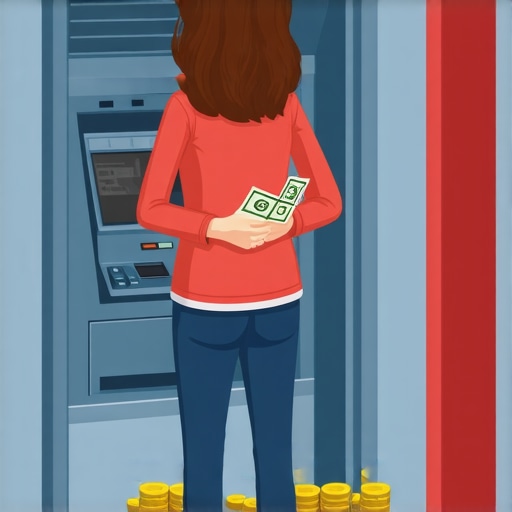
The ‘Cash-Only’ Month: A Reset for Serial Spenders
I remember the moment vividly. My credit card bill arrived after a weekend of impulsive shopping, and I felt that sinking spiral of regret locking in. It hit me—I was trapped in a relentless cycle, spending without thinking, just to chase that fleeting feeling of happiness. And no matter how much I earned, I seemed to always be a little behind, drowning in debt I couldn’t seem to escape.
Then came the revelation: I needed a serious reset. That’s when I stumbled upon the idea of a ‘Cash-Only’ Month—a radical but surprisingly simple way to hit pause on my spending habits and regain control.
Breaking Free From the Spending Trap
The truth is, many of us are serial spenders, caught in a cycle where our dollars disappear before we even realize it. Early on, I made a crucial mistake: ignoring the root causes of my impulsive spending and just trying to pay down debt without addressing the habits fueling it. That was a quick recipe for burnout.
A ‘Cash-Only’ Month isn’t just about saving; it’s a mental reset—a way to confront the real reasons behind our spending and start fresh. In doing so, I discovered that controlling cash flow forces intentionality and helps break the cycle of debt. Studies show that people who track their spending and impose strict limits tend to pay off debt faster and improve their financial health more sustainably.
By dedicating a month to only using cash, I began to see where my money was really going and why. It was eye-opening and, frankly, empowering.
Are you tired of feeling like you’re always chasing your tail, managing debt but never getting ahead? If so, you’re not alone. Many find that stepping back and hitting the reset button with a disciplined approach makes all the difference.
Now, let’s explore how you can implement a ‘Cash-Only’ Month effectively, avoiding common pitfalls and ensuring you not only stop the bleeding but also build a stronger financial foundation. Ready to take control? Let’s dive into the first steps.
Set Clear Spending Boundaries
The first step I took was establishing a strict cash limit for my entire month, using only physical cash for every purchase. I remembered a time when I impulsively bought snacks at a convenience store and felt the regret immediately afterward. To avoid that, I withdrew a set amount at the start of each week, which forced me to prioritize essential expenses and avoid unnecessary splurges. This tactile approach made me conscious of each dollar and helped prevent overspending.
Create an Accurate Debt Map
Next, I compiled all outstanding debts into a single list, noting balances, interest rates, and minimum payments. Think of this as GPS for debt—knowing exactly where you stand is crucial before plotting your course. I used online tools and the free printable templates I found on credible financial sites. This visual layout illuminated the most urgent debts, especially those with high interest, guiding my focus to tackle the worst first.
Prioritize High-Interest Debts
My experience with snowball vs. avalanche methods helped clarify strategy. I adopted the avalanche method—paying extra towards high-interest debts while maintaining minimums elsewhere—because it’s mathematically optimal. For instance, I directed additional payments toward my credit card with a 22% APR, which saved me hundreds in interest over time. This targeted approach accelerates debt reduction and minimizes the total amount paid.
Use Credit Counseling as a Safety Net
When I felt overwhelmed, I reached out to a reputable credit counselor. They explained that credit counseling can help negotiate lower interest rates and set up manageable repayment plans, much like a personal trainer for your finances. I learned to avoid common pitfalls, such as ignoring the root causes of debt or falling for scams, by consulting credible sources and reading about effective debt management techniques in guides like debt management tips.
Build Credit in Small, Consistent Steps
Once I managed my debts, I turned to rebuilding my credit. I started with secured credit cards, making small purchases and paying them off in full each month, which demonstrated responsible use. I also ensured my rent payments were reported to credit bureaus, boosting my history. This approach is similar to planting tiny seeds that grow into a robust credit score over time. It’s vital to avoid mistakes like applying for multiple new lines simultaneously, which can hurt your score temporarily.
Monitor and Dispute Errors Regularly
Periodic review of my credit reports revealed outdated or inaccurate information. I learned about the importance of dispute processes and the documentation needed to correct errors swiftly. Using the dispute window helped me remove outdated delinquencies that no longer reflected my current standing, further boosting my score.
Establish a Financial Momentum Loop
With each small victory—paying off a debt, increasing credit limits, or correcting errors—I felt more motivated. Automating payments and setting reminders helped maintain consistent progress. Think of this as a momentum loop: responsible habits reinforce each other, creating an unstoppable drive toward financial health. As I continued, I realized that discipline in one area made managing others easier.
Many people believe that simply reducing debts or applying for a credit rebuild card automatically boosts their credit score. However, these common assumptions often overlook critical nuances. For instance, a prevalent myth is that closing old credit accounts improves your score; in reality, it may shorten your credit history and increase your utilization ratio, adversely affecting your score. An advanced mistake is neglecting the timing and impact of recent credit inquiries, which can cause temporary score dips but are often misunderstood as detrimental in the long run. Moreover, many underestimate the importance of maintaining diverse credit types—credit cards, installment loans, and more—to demonstrate creditworthiness, as suggested by experts in recent research on credit myths. One trap to avoid is chasing quick fixes through rapid credit repair services that promise instant results; these often exploit misinformation and can harm your credit history. Instead, understanding the strategic timing of credit activities and leveraging techniques like credit building accounts over time yields sustainable results. Additionally, advanced practitioners recognize that disputing outdated or erroneous entries without proper documentation can backfire, leading to further score reductions. Regularly reviewing your report and understanding how each item influences your score—something detailed in effective repair techniques—is crucial. Make yourself aware of the subtle interplay between credit mix, length, and inquiries to design a more effective strategy. Remember, credit is a long game, not a quick fix. Mastering these nuances prevents costly mistakes and accelerates your path to financial health. Have you ever fallen into this trap? Let me know in the comments.Maintaining strong credit health requires the right tools and consistent effort. Personally, I rely on **Credit Karma** for real-time monitoring because it provides instant updates on my credit score and alerts me to any suspicious activity, which is vital given the ever-evolving nature of credit reporting systems. Additionally, I use **Experian**’s credit freeze feature strategically—freezing my report during periods of inactivity adds an extra layer of security to prevent unauthorized inquiries, especially since studies show that unauthorized hard pulls can temporarily lower scores.
How do I maintain credit health over time?
To keep my credit in top shape, I supplement monitoring with **Automated Payment Systems** like **Mint** or **Personal Capital**. These platforms link directly to my accounts and automatically schedule payments, ensuring I never miss a due date, which is crucial considering that even a single late payment can ding your score. They also categorize expenses, helping me identify spending leaks, reinforcing disciplined financial habits. < >
>
Looking towards the future, innovative tools such as AI-powered credit analytics are becoming more accessible. These utilize machine learning models to predict how particular financial behaviors might influence your score, allowing pre-emptive adjustments before damage occurs. Industry experts like **FICO** predict that such intelligent platforms will become standard, transforming credit management from reactive to proactive. To get started, I recommend testing out an advanced strategy: set up alerts for any small changes in your credit report. This isn’t just about spotting fraud; it’s about catching and correcting inaccuracies early, keeping your score optimized in the long run. Explore tools like **Credit Sesame** for weekly updates or **WalletHub** for free credit alerts. Remember, consistent monitoring and adapting with these digital solutions build resilience—think of it as a financial GPS that guides you through the complex terrain of credit scores. For further insights on long-term credit health strategies, check out credit counseling secrets. Now, pick one tool, set up alerts today, and make your credit work for you effortlessly.
What I Misjudged About Debt and Credit Building at First
I initially believed that simply paying off debts or getting a better credit score was straightforward. But I learned the hard way that rushing into credit repair without understanding the nuances—like the impact of closing accounts or timing inquiries—can backfire. Embracing comprehensive knowledge from trusted sources such as experts’ insights on credit myths helped me avoid costly mistakes that many overlook.
Why Small, Consistent Changes Are My Secret Weapon
Over time, I realized that the real power lies in small, deliberate actions—whether it’s automating payments through tools like automated systems or disputing outdated info on my credit report. These tiny steps compound, leading to significant improvements, unlike the quick fixes that often falter. Building momentum through consistent habits creates a resilient financial foundation that lasts.
The Joy of Personal Growth Beyond the Numbers
My debt journey became more than just improving my score; it became a path of self-discovery. Learning to manage my finances with patience and intentionality boosted my confidence. It’s inspiring to know that with the right tools—such as guided credit building—anyone can reinvent their financial story, regardless of where they start.
Curated Tools That Made All the Difference
Tools like PrivacyGuard and building credit from scratch guides became my allies. I trust them because they provide clear strategies, real-time monitoring, and actionable insights. Combining these with knowledge from effective credit repair techniques accelerated my progress and kept me motivated to maintain disciplined habits.
Take the Leap and Make Your Next Move Count
Remember, your financial future isn’t dictated by past mistakes but by the actions you take today. I’ve discovered that with patience, the right resources, and a willingness to learn, anyone can reset their debt story. So, what small step will you commit to now that could lead to your financial independence? Your journey begins with action. Share your plans below, and let’s keep each other motivated on this path to financial freedom.