How to Build Credit Using a Gas Card Safely
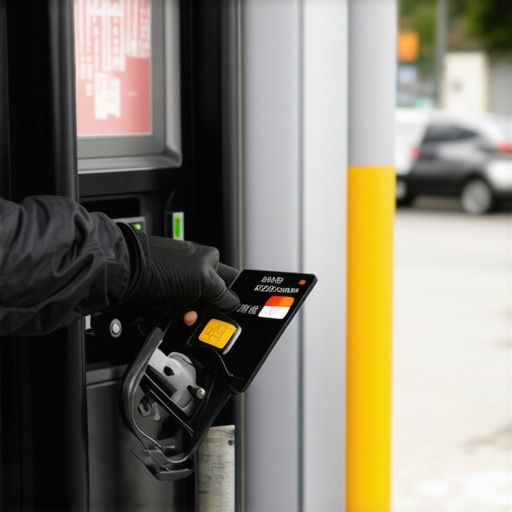
I remember the moment I realized I’d been sabotaging my credit without even knowing it. I had a gas card—nothing fancy, just a simple pay-at-the-pump card—but I’d been using it recklessly, racking up charges I couldn’t pay off and watching my credit score dip lower and lower. It was a lightbulb moment: I needed a smarter, safer way to build my credit—one that wouldn’t leave me in financial jeopardy.
The Problem with Guesswork in Credit Building
Many folks think that just getting a gas card or any credit card automatically improves their credit. But without a strategic approach, it can do more harm than good. I learned this the hard way, making mistakes that set me back. That’s why I’m here—to share practical advice from my own experience, so you can build your credit confidently and safely using your gas card.
Is It Really Worth the Hype?
One mistake I see people making early on is thinking that any credit activity is beneficial. However, if you don’t use your gas card wisely, it could lead to debt and a lower credit score. Early in my journey, I believed that more credit activity meant faster improvement. It wasn’t until I learned about responsible management—like keeping balances low and paying on time—that I truly started to see progress. Interestingly, a study from FICO shows that paying off your balances in full and on time is the most significant factor in boosting your score (FICO, 2023).
Are you tired of hearing conflicting advice about credit building? Do you worry about falling into debt or damaging your score more? Trust me, these fears are valid—but manageable, if you know the right steps. Let’s dive into how to leverage your gas card to build credit safely and effectively, drawing from my own lessons and proven strategies.
Keep Your Balances Low to Boost Your Score
One of the most effective strategies I used was maintaining a utilization rate below 30%. Think of it as driving your car smoothly—avoiding sudden accelerations. During my first month, I allocated a small amount—about $20—to my gas card and paid it off in full each statement period. This consistent, responsible behavior signaled to lenders that I could manage credit wisely. For example, after three months, my score increased noticeably, reflecting healthier credit habits. To learn more about how to repair credit fast and boost your score, visit this comprehensive guide.

Pay On Time, Every Time
Set Reminders or Automatic Payments
Missing payments can significantly hurt your credit. I set up automatic payments through my bank for the minimum due, ensuring I never missed a deadline. Even a single late payment can lower your score, like hitting a pothole that splatters mud on your windshield. Being punctual keeps your credit report clean and demonstrates reliability. If you’re unsure how to start, check out this step-by-step guide for first-timers.
Limit New Credit Applications
Each time you apply for new credit, a hard inquiry appears on your report, temporarily dinging your score. During my credit-building phase, I avoided applying multiple times in a short period. Instead, I focused on using my existing gas card responsibly to show positive activity. Remember, new credit can be a double-edged sword—it can help if managed well but can also cause unnecessary inquiries that hurt your score. To understand better how to optimize your credit mix, visit Credit Building Hacks.
Use Your Gas Card Regularly but Responsibly
Regular usage signals activity, but it must be balanced. I set reminders to make small purchases every few weeks, then paid the balance in full to avoid interest and debt. Think of it as tending a garden—you need to water it consistently without overdoing it. This keeps your account active and demonstrates to bureaus that you can handle credit without overextension. For more advanced tips, see Smarter Debt Management.
Monitor Your Credit Reports Frequently
Regularly checking your credit report allows you to spot errors or fraudulent activity early. I used free tools to review my report monthly, disputing any inaccuracies via the paper trail method—a proven way to correct mistakes. Maintaining accurate information boosts your score and prevents false negatives from damaging your progress. Remember, your credit report is your blueprint; keep it clean and accurate for the best results.
Gradually Increase Your Credit Limit
As your payment history becomes more established, request a limit increase. This action reduces your utilization ratio automatically. I waited six months and then asked my bank for a higher limit, framing it as a responsible borrower. This move not only lowered my utilization but also improved my credit age, boosting my overall score. When applying, be sure to have a good payment record, or it could backfire. Learn more about building credit with high-limit cards at High Limit Cards.
Many believe that enrolling in credit counseling or repair programs guarantees quick improvement, but this isn’t always the case. In fact, a significant nuance many overlook is that not all counseling services are created equal; some may even do more harm than good if they employ aggressive or deceptive tactics—something I discuss more in this detailed blueprint. A common myth is that debt settlement programs erase negative marks instantly; however, they can leave a lasting impact on your credit profile and may lead to tax liabilities, as explained by experts in credit-building insights.
The hidden nuance lies in the difference between education-based counseling and debt relief scams. While the former aims to empower you with knowledge and sustainable habits—like responsible use of your gas card—the latter sometimes uses unethical practices that damage your score further. A trap to watch out for is programs promising rapid fixes with minimal effort; these often involve payment for deletion schemes or debt validation tricks, which can backfire or violate regulations outlined in privacy policies.
For the advanced reader, ever wondered how the FICO scoring model treats multiple inquiries or debt validation inquiries? Studies, such as those referenced in this investigation, reveal that the timing and types of inquiries dramatically influence your score. Overlooking this can lead to unnecessary application rejections or score dips.
In my experience, the keys to effective credit management include understanding these subtleties, avoiding common pitfalls like overapplying or misunderstanding credit utilization, and leveraging tools like credit report monitoring—more on which you can learn here. Have you ever fallen into this trap? Let me know in the comments.
Keep Your Credit Momentum Alive with the Right Tools
Maintaining your credit health over the long term requires more than just good habits; it demands reliable tools that help you stay on top of your game. I personally rely on Experian’s CreditWorks for weekly reports because it offers comprehensive monitoring, alerts for any changes, and tailored advice based on my credit profile. Unlike free services, this platform provides real-time updates, which is crucial for swiftly addressing inaccuracies or suspicious activities. To stay truly proactive, I set up notifications for significant shifts—like newly opened accounts or credit inquiries—so I can respond promptly and keep my score climbing.
Routine Reviews and Strategic Adjustments
Every month, I carve out 15 minutes to review my credit report manually. This habit helps me catch errors—such as outdated addresses or incorrect account statuses—that might otherwise linger and damage my score. Disputing inaccuracies early with the paper trail method ensures a cleaner report and preserves my credit position. If I discover a negative mark that’s over a year old, I consider whether a goodwill removal request could be appropriate, especially if I’ve demonstrated consistent responsible behavior since. Regular checks also inform when to request a credit limit increase, further reducing utilization ratios and boosting my score—learning from experts, such as the proven tactics highlighted in this resource, proves invaluable.
Leverage Technology for Better Management
Beyond monitoring, I use budgeting apps like Mint and YNAB (You Need A Budget) to keep track of my spending and ensure I don’t carry a high balance on my credit cards. These tools automatically categorize expenses and project my monthly cash flow, helping me plan ahead for payments and avoid late fees. Additionally, I use alarm features to remind me of upcoming due dates, complementing my automatic payments setup. Over time, this disciplined approach prevents late payments and maintains a healthy credit profile, which the latest industry insights confirm as paramount.
How do I keep my credit score climbing steadily?
The key is a combination of vigilant monitoring, disciplined spending, and strategic automation. I recommend trying the tip of setting up automated alerts through a trusted platform—like Experian or Credit Karma—to stay ahead. These small but consistent efforts can shield you from inadvertent mistakes that derail progress. Also, consider gradually increasing your credit limits once you’ve demonstrated reliability; this subtle move can significantly lower your utilization ratio and accelerate improvement. Remember, sustained success in credit building hinges on continuous attention and adapting your tactics as your financial situation evolves.
Looking ahead, the trend is moving toward smarter, AI-powered monitoring that predicts potential issues before they materialize, making proactive management even easier. To harness this ongoing evolution, I encourage you to experiment with advanced tools and routines, and stay informed through dedicated guides like the blueprint for 2025. Why not start today by reviewing your credit report for errors or setting up automatic alerts? Small steps now can lead to long-term financial freedom.
What the Toughest Lessons About Credit Building Taught Me
- I realized that chasing quick fixes often led to setbacks. Patience and consistent responsible behavior, like maintaining low balances and paying bills on time, are game-changers.
- Understanding that not all credit advice applies universally saved me from costly mistakes—what worked for one person might not fit another’s financial situation.
- Building trust with lenders requires transparency and reliability—small daily habits, like timely payments, build a solid credit foundation over time.
- Ignoring credit reports can be costly; regular monitoring uncovers errors early and keeps my credit profile accurate and healthy.
- One surprising insight was that increasing your credit limit thoughtfully can reduce your utilization rate and boost your score, but it must be done responsibly.
Tools and Resources That Transformed My Credit Journey
- Experian’s CreditWorks: I trust it for real-time alerts and comprehensive monitoring, which helps me respond quickly to any changes or inaccuracies.
- MyFICO: Their insights into FICO scores and model updates have deepened my understanding of what influences my credit score most.
- Credit Karma: A valuable, free resource for monthly checks and tips tailored to my credit profile, helping me stay proactive.
- Credit Building Hacks: This guide provided insider strategies that I applied immediately, accelerating my progress.
You’re Already on the Path—Keep Moving Forward
Building and maintaining excellent credit isn’t a one-time effort; it’s an ongoing journey that rewards patience, discipline, and strategic choices. Every small step counts—whether it’s setting automatic payments or routinely reviewing your report—and each action brings you closer to financial freedom. The evolving landscape of credit management, including AI-powered tools, promises even greater opportunities to stay ahead. Why not take the next step today, review your credit report, or set a reminder to increase your limit responsibly? Your future financially empowered self will thank you for the effort. Do you have a proven habit that’s helped you improve your credit? Share your story below to inspire others on this journey.