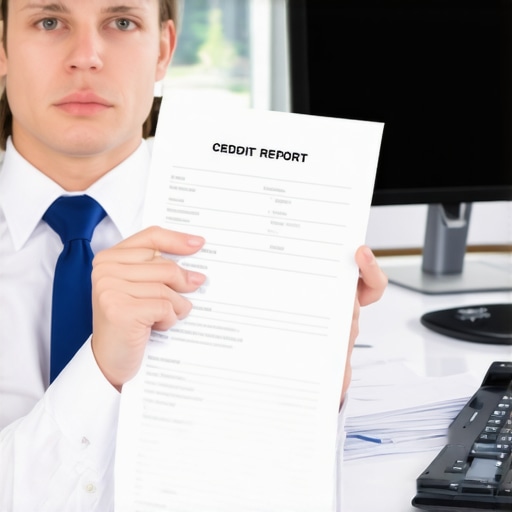
How to Fix Your Credit When You Share a Name with Your Father
I remember the exact moment I realized my credit report was a mess—not because I was careless with my finances, but because my name happens to be the same as my father’s. One day, I applied for a new credit card, full of hope, only to find out there was a late payment from a few years back, linked to a name that wasn’t entirely mine. It was a lightbulb moment that opened my eyes to a messy, often-overlooked problem: how sharing a name with a parent can complicate your credit journey.
Why Your Name Is a Hidden Barrier to Your Financial Goals
If you share a name with a parent, especially a parent with a long and potentially troubled credit history, it can feel like trying to run a race with a weight tied to your ankle. Lenders see your report, but they might also see your family’s history—whether good or bad—and it can influence their decisions. This isn’t just about embarrassment; it directly impacts your ability to get approved for loans, credit cards, or even apartment rentals. Interestingly, according to a 2022 Consumer Financial Protection Bureau report, nearly 15% of credit reports contain errors or mixed files—often because of identical names or similar details—leading to injustices that can last for years.
Early on, I made the mistake of ignoring these discrepancies, thinking they’d sort themselves out. Instead, I found myself denied for credit, with scores that didn’t reflect my own financial behavior. That’s why understanding how to address this issue is crucial. With the right strategies, you can separate your credit identity from your family’s, and start building a clear, accurate report. If you’re wondering whether it’s worth the effort, know that many have successfully fixed these issues by following proven steps—like those detailed in building credit from scratch. Today, I’ll be guiding you through the concrete actions to take so you can finally reclaim control over your credit profile and work toward the financial future you deserve.
Is Fixing a Shared Name Credit Mess Worth the Fight?
Many people assume these issues are minor or impossible to resolve, especially with the fear of outdated information or mixed files. I thought so, too—at first. But after making a few key mistakes, like not disputing these errors promptly, I learned the hard way that persistence pays off. The good news is, with the right knowledge and practical steps, you can clear your credit report of unwanted
Dispute and Correct Your Credit Reports
The first concrete action I took was reviewing my credit report meticulously. I requested free copies from the three bureaus—Equifax, Experian, and TransUnion—and looked for any discrepancies, especially entries with my father’s name. Think of your credit report as a detailed map; identifying wrong roads or landmarks helps in navigation. When I found incorrect late payments or accounts that didn’t belong to me, I filed disputes online using each bureau’s portal or via certified mail to create an official paper trail. This is crucial because errors can linger without proper documentation. For a clearer understanding of dispute strategies, I referred to the evidence-first approach, which emphasizes gathering solid proof before challenging inaccuracies.
Leverage the Fair Credit Reporting Act
Using laws like the Fair Credit Reporting Act (FCRA) allows you to demand corrections. I wrote formal letters citing section 611 of the FCRA, requesting the removal of any incorrect data. It’s like calling a referee to review a dubious play—you stand your ground with legal backing. Patience is key here; bureaus typically have 30 days to investigate, and I tracked every correspondence. This step is vital because once errors are corrected, your report becomes a more accurate reflection of your financial behavior, improving your score over time.
Separate Your Credit Identity from Family’s
After clearing errors, I worked on building a strong, independent credit profile. One effective method was opening a secured credit card, which acts like a training wheel for new riders—helping me establish positive payment habits safely. By making small, consistent payments, I started demonstrating responsible credit use. Another technique involved becoming an authorized user on a family member’s account—if they had good credit—and ensuring the account was actively managed. For strategies on building credit from scratch or improving your profile faster, see this comprehensive guide. Over time, these actions began to overshadow the negative or mixed records tied to my name, giving me a clearer, self-made credit history.
Monitor Your Progress and Avoid Common Pitfalls
Regularly checking your credit report ensures that corrections stick and no new errors emerge. I set reminders to review reports quarterly, using reputable monitoring services. This is comparable to regularly inspecting a vehicle’s tires and brakes—preventative maintenance keeps your journey smooth. Also, I avoided closing old credit accounts, as they boost your credit history length—a factor many overlook. Instead, I maintained low balances on credit cards and paid bills on time, which significantly boosted my score. To streamline this process and learn more about optimizing your scores, review credit building hacks tailored for quick improvements. Staying vigilant here prevents future setbacks and builds a resilient credit foundation.Even seasoned credit experts will tell you that there’s no one-size-fits-all approach to credit repair and building; yet, many fall prey to widespread myths that can derail their progress. One common misconception is that paying off a debt instantly improves your score—while paying down balances is beneficial, it often takes time for these changes to reflect in your credit report, especially if negative marks remain unresolved. Rushing into quick fixes without understanding the nuances can lead to wasted effort or even inadvertently damage your credit further. For example, some assume that closing old accounts helps improve your score—actually, closing longstanding accounts can shorten your credit history, potentially lowering your score because longevity is a significant factor. Moreover, many believe that checking your credit report damages your score—this is a myth; hard inquiries from mortgage or auto lenders are what impact your scores, not soft pulls for monitoring or disputes, which are safe and necessary. A crucial yet overlooked aspect is the importance of maintaining a balanced credit mix and low utilization ratios; neglecting these can stall your progress, despite resolving individual accounts. It’s also vital to recognize the pitfalls of relying solely on credit repair services that promise quick results; legitimate strategies require patience, consistency, and understanding of laws like the Fair Credit Reporting Act, which empowers you to dispute and correct inaccuracies. Speaking of errors, many don’t realize that a significant percentage of credit reports contain outdated or incorrect information—dispute such errors promptly, backed by documented evidence, to prevent negative marks from persisting. For those eager to start fresh, building credit from scratch through secured credit cards, as detailed in our comprehensive guide, is often more manageable than you think. The key is to stay disciplined, vigilant, and informed—because misconceptions can cause more harm than good. Let’s dig deeper into this topic. Have you ever fallen into this trap? Let me know in the comments.
Maintaining your credit health over time isn’t a set-it-and-forget-it task; it requires consistent effort and the right tools. One of my favorite resources is the Credit Karma platform, which offers free credit monitoring and alerts. I personally rely on it daily to catch any unexpected changes or errors early—this proactive approach helps me swiftly dispute inaccuracies or unauthorized accounts, ensuring my credit report remains accurate. Additionally, Experian’s credit monitoring service provides detailed insights and tailored recommendations, which I use to refine my credit building strategy continually. For more comprehensive control, I utilize effective credit repair tips to stay focused on long-term growth.
Another essential component is maintaining good financial habits through tools like Personal Capital. I use it not just for budgeting but also to track my debt-to-income ratio and net worth, which are critical indicators of my financial health. Setting up automatic payments for bills and loan repayments ensures I don’t miss due dates—this consistency is vital, especially when trying to rebuild credit after errors or negative marks. As I mentioned earlier, automation and regular monitoring are key; they act as the guardrails preventing me from slipping back into old habits or letting small errors snowball.
How do I keep my credit score climbing over the years?
Long-term success with credit management hinges on a few disciplined practices. One of my strategies involves periodically reviewing my credit report for outdated information—under the fast repair techniques, I learned that updating or removing obsolete data can make a notable difference. Additionally, maintaining a low utilization ratio—under 30%—is one of the most impactful ways I ensure my scores stay strong. Tools like the Mint app help me keep an eye on my credit utilization in real-time, so I can adjust expenditures accordingly.
Looking ahead, the future of credit management seems to be heading toward artificial intelligence-driven monitoring, providing even more personalized and immediate feedback. As this trend evolves, embracing smart tools will become crucial for those serious about building a resilient credit profile. For the ambitious reader, I recommend trying credit-building hacks to accelerate progress and prevent regressions.
Remember, the cornerstone of sustained credit health is regular monitoring combined with disciplined financial practices. By investing in dependable tools and establishing routines, you not only preserve your hard-won progress but also set the stage for future growth. Don’t wait—start today by integrating one of these tools into your monthly routine and see the positive ripple effects on your credit journey.

Lessons That Didn’t Make the Textbooks
- One of the toughest lessons I learned is that disputes are only as good as your evidence. Sometimes, I thought simply asking for corrections would do the trick, but digging up proof—like bank statements or old letters—was what truly made my case strong. This taught me that preparation is everything and that persistence coupled with solid documentation can turn the tide in your favor.
- Initially, I underestimated the power of legal rights. Reading the Fair Credit Reporting Act (FCRA) revealed that I had tools I wasn’t using—like requesting investigations and deletions. Knowing my rights empowered me to challenge inaccuracies confidently, and I realized that understanding these laws gave me leverage that many overlook.
- Patience became my best friend. Fixing errors rooted in shared names doesn’t happen overnight. There were moments I wanted quick fixes, but I learned that regular follow-ups and a calm, persistent approach guaranteed better results than frantic calls or hasty disputes. This patience built my resilience and ultimately led to a cleaner report.
- Overconfidence in credit history length was a trap. I thought keeping old accounts open without purpose would help—until I learned that inactive accounts can sometimes be detrimental. Carefully managing which accounts stay open and active is crucial to building credit with purpose and avoiding unintended damage.
- Lastly, I discovered the myth that closing old accounts boosts your score. In reality, closing credit accounts can shorten your credit history and reduce your score—so I learned to keep valuable accounts open and manage them wisely instead of dismissing them prematurely.
Tools That Became My Credit Allies
- Credit Karma offers free, real-time updates on your credit profile, helping me stay vigilant without extra cost. Its alerts notify me immediately of any changes or errors, serving as my first line of defense.
- Experian’s credit monitoring provided deeper insights and tailored tips, which helped me target specific areas for improvement and stay motivated on my credit-building path.
- My favorite resource is building credit from scratch. It provided step-by-step strategies tailored for those starting from a confusing or damaged credit report, especially when sharing a name with a family member.
- The comprehensive credit-building hacks gave me quick wins, like managing utilization and timing credit inquiries, that dramatically boosted my score faster than I expected.
Keep Moving Forward—Your Credit Future Awaits
If you’re facing the challenge of a shared name or messy credit, remember that you hold the power to change your story. Small consistent actions, smart tool usage, and understanding your rights are your best allies on this journey. The path to a strong credit profile isn’t just about repairing mistakes; it’s about building a resilient financial foundation that supports your dreams. Don’t wait for perfection—start today, learn as you go, and watch your credit transform.
What’s your next step to straighten out your credit report? Drop your thoughts below and share your journey—your experience might be the inspiration someone else needs.