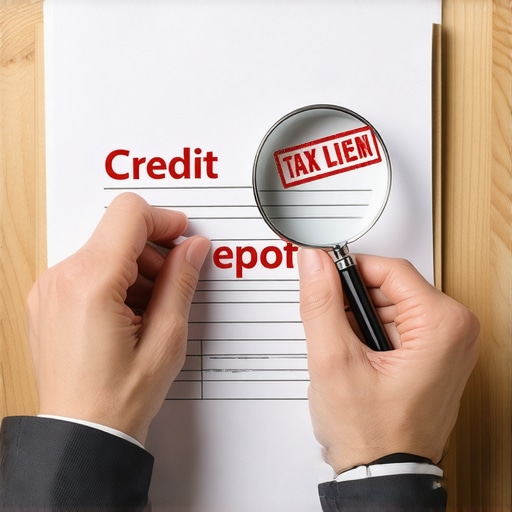
How to Remove Tax Liens From Your Credit Report
It was a morning like any other when I finally faced the harsh reality—my credit report was a mess, and looming tax liens felt like a weight I couldn’t lift. I remember the sinking feeling in my stomach, the frustration of feeling trapped by financial mistakes I couldn’t seem to fix. That lightbulb moment made me realize I needed a strategy, not just hope, to clear up those tax liens and rebuild my financial dignity.
Why Removing Tax Liens Matters More Than Ever
In today’s credit landscape, a tax lien can be more damaging than many realize. Not only can it lower your credit score significantly, but it also hampers your ability to qualify for loans, credit cards, or even a mortgage. The reality is, tax liens stick around longer than most negative marks—sometimes for seven years or more—and they can be a major obstacle on your path to financial freedom.
Understanding how tax liens impact your credit is crucial. They’re considered public records and often take priority over other debts, which means they can overshadow your efforts to improve your score. If you’re like I was, you might think there’s no way out, but there are proven methods to remove or satisfy these liens.
Research shows that addressing tax liens promptly can boost your credit score and open doors to new financial opportunities. According to a report from the Federal Trade Commission, individuals who actively work to resolve such public records see measurable improvements in their credit health over time.
Are you currently battling a tax lien that feels impossible to shake? Trust me, I was there. The good news is, with the right approach, you can turn your credit report around.
In this guide, I’ll walk you through effective techniques to remove tax liens from your credit report, backed by strategies that worked for me and others I’ve helped along the way. We’ll also explore common pitfalls to avoid so you don’t waste precious time and resources. Ready to take control of your financial story? Let’s dive into the steps that can help you restore your credit and peace of mind.
Gather Your Credit Report and Examine the Tax Lien Details
Start by requesting free copies of your credit reports from all three bureaus using [Annual Credit Report Request](https://counselcredits.com/credit-counseling-insights-unlock-your-path-to-better-credit). Carefully scrutinize for accuracy, especially the tax lien information. Look for discrepancies or outdated entries; these can be contested to facilitate faster removal.
Identify If the Tax Lien Is Paid or Unpaid
Determine your lien status. If paid, gather proof of settlement such as release or satisfaction documents. If unpaid, plan to negotiate with the IRS or state tax authority to settle or verify the debt. Remember, paying the lien doesn’t always automatically remove it—disputes are often necessary.
Negotiate Settlement or Payment Options
Contact the tax agency directly—use scripts from trusted guides or [contact us](https://counselcredits.com/contact-us) for expert advice. Propose settlement offers or payment plans. Settling a lien can be improved by offering a lump sum or establishing an installment agreement. Keep meticulous records of all communications and payments—these serve as evidence for credit agencies.
Leverage the ‘Offer in Compromise’ Program
If your financial situation warrants, apply for an [Offer in Compromise](https://counselcredits.com/effective-credit-repair-techniques-for-a-fresh-financial-start), which allows settling tax debts for less than owed. Successful negotiations can lead to the lien’s satisfaction status, crucial for credit report correction.
File a Dispute to Remove or Update the Tax Lien
Once the lien shows as paid or settled, file a dispute with the credit bureaus. Use the [dispute process](https://counselcredits.com/how-to-fix-incorrect-public-records-on-your-report) to request removal. Include supporting documents—paid receipt, release papers, or settlement agreement. The bureaus are required to verify or remove inaccurate entries, and a well-documented dispute can expedite this.
Follow Up and Confirm Deletion
Monitor your credit reports regularly—use [credit monitoring services](https://counselcredits.com/credit-counseling-insights-unlock-your-path-to-better-credit) to ensure the lien entries are updated. If the lien remains after initial dispute, escalate with additional evidence or seek professional assistance.
Optimize Your Credit Profile Post-Removal
After removal, focus on building positive credit. Make timely payments, reduce utilization ratios, and diversify your credit mix. This proactive approach will help restore trust with lenders and boost your credit score over time. For a structured plan, explore [building credit from scratch](https://counselcredits.com/building-credit-from-scratch-what-you-need-to-know-in-2025) to accelerate improvement. Remember, patience and persistence are key; credit repair is a marathon, not a sprint.While many believe that credit counseling and debt management are straightforward tools for improving finances, the truth is there’s a significant layer of nuance most overlook. A common misconception is that paying off debts or disputing negative items guarantees a rapid boost in credit scores. However, expert insights reveal that the timing and strategic approach matter just as much as the actions themselves. For instance, rushing to dispute outdated or incorrect public records without proper documentation can backfire, leading to delays or even worsening your credit profile. Moreover, some assume that settling debts will automatically improve their score, but if not accompanied by a solid plan to rebuild credit afterward, the improvements may be minimal. A crucial mistake is neglecting the importance of credit mix and payment history during the recovery process, which can be overlooked in the rush to eliminate negatives. Studies from the National Foundation for Credit Counseling emphasize that long-term behaviors, like consistent payments and prudent credit utilization, outweigh short-term fixes.
What advanced strategies can ensure sustainable credit improvement beyond basic debt payoff?
Implementing a tailored credit-building plan, such as diversifying credit types through secured cards or credit builder loans, often accelerates progress. Additionally, monitoring your credit report regularly to catch errors early and understanding how each action impacts your score helps in making informed decisions. Remember, credit repair is not just about fixing what’s wrong but strategically shaping a healthy credit profile for the future. Be mindful of common pitfalls like closing old accounts prematurely or applying for unnecessary new credit, which can lower your score temporarily. So, when embarking on credit repair or counseling, focus on a holistic, informed approach that considers these hidden factors. Curious about the most effective ways to turn a weak credit profile into a robust one? Explore expert strategies in our detailed guides and ensure your efforts are aligned for lasting success. Learn more about effective credit repair techniques and elevate your financial future. Have you ever fallen into this trap? Let me know in the comments.Maintaining good credit isn’t a one-time effort; it requires consistent tools and strategic habits. Personally, I rely heavily on specialized software like Credit Karma and Experian’s CreditWorks because they provide real-time updates and detailed insights into my credit profile, allowing me to catch errors or sudden score changes early. Additionally, setting up automatic payments through my bank has been crucial in avoiding missed deadlines, which can dramatically impact my score. I also prioritize regular credit report checks—using free resources like Annual Credit Report Request—to ensure accuracy and spot any discrepancies that could hold me back. These tools, combined with a disciplined approach, have helped me sustain improvements over years.Throughout my journey from financial chaos to stability, I discovered that the most overlooked lessons often hold the key to lasting change. Here are some insights that reshaped my approach to credit repair and debt management:
- Patience Outperforms Quick Fixes: Rushing to dispute every outdated public record might seem tempting, but a strategic, patient approach yields sustainable results. Sometimes, the best move is to wait for the bureaus to update your report naturally after settling a lien.
- Documentation Is Your Superpower: Gathering and organizing proof—like settlement agreements or satisfaction notices—is crucial. When I started meticulously keeping records, disputes and negotiations became much smoother, and I avoided unnecessary setbacks.
- Credit Building Is a Marathon, Not a Sprint: Removing a tax lien is just the first step. To truly rebuild, I had to focus on diversifying my credit mix and maintaining consistent, on-time payments. These habits created a ripple effect of improvement over time.
- Leverage Expert Resources Wisely: Trusting established guides and tools made a significant difference. Whether it was understanding how to negotiate with the IRS or disputing inaccuracies, expert insights cut through the confusion and accelerated my progress.
- Long-Term Habits Trump Short-Term Fixes: Regularly checking my credit report and being mindful of credit utilization helped me stay on track. It became clear that maintaining good habits is the real secret to a robust credit profile.