
How to Remove a Paid Judgement From Your Credit Report
I remember staring at my credit report in shock after discovering a paid judgment that still haunted my score. It was one of those eye-opening moments when I realized that paying off a debt doesn’t always mean it’s gone from your record, and that lingering negative mark could be holding me back from better loan terms or even a new apartment.
Like many, I felt stuck, unsure if there was any way to clear that judgment and truly start fresh. That’s when I decided to dig deep into the process—and what I found changed everything. If you’re like I was, you’re probably asking yourself, “Can I really get rid of that paid judgment?” The answer is yes, and today I’ll share how I cracked the code to remove it from my credit report.
Why Removing a Paid Judgment Matters Now More Than Ever
In today’s world, your credit report is more than just a number—it’s your financial reputation. Having a paid judgment lingering on your report can unfairly ding your score, insidiously affecting your ability to secure favorable interest rates, lease an apartment, or even land a new job in some cases. The good news? With the right approach, you can challenge and potentially remove these outdated entries, giving your credit a much-needed boost.
Research shows that a single negative mark can knock up to 100 points off your score, and even after paying it, it might stay for up to seven years unless actively disputed or corrected (source: FICO Blog). That’s why understanding your rights and the dispute process is crucial. Trust me, I made the mistake early on of assuming debt was gone once paid—only to learn that the bureaus often don’t automatically update or delete paid judgments without a push from you.
Getting this cleared isn’t just about aesthetics; it’s about reclaiming your financial future. And the best part? The process isn’t as complicated as you might think. If you’re ready to take control and start clearing your report, keep reading—I’ll guide you through each step to tackle paid judgments head-on.
Will This Really Work for Me, or Is It Just Hopeful Myths?
Early in my journey, I believed that once I paid off the judgment, the problem would disappear. But I soon learned that I was making a common mistake—trusting that the credit bureaus would update their records automatically. That’s why many people get discouraged after paying a judgment only to see it linger on their reports. The truth is, proactive dispute efforts are often necessary to enforce those updates and deletions.
Over time, I discovered resources and strategies that proved effective in disputing and removing paid judgments. If I had known earlier about the importance of the blueprint for credit repair, I could have sped up my recovery and saved stress. Now, I want to make sure you don’t make the same early mistake: assuming payment equals automatic removal. Instead, arm yourself with knowledge and a plan.
In the upcoming sections, I’ll walk you through exactly how to challenge and clear paid judgments from your credit report. It’s time to take back control and watch your credit score improve—so, let’s get started.
,
Gather Your Credit Report and Documentation Fully
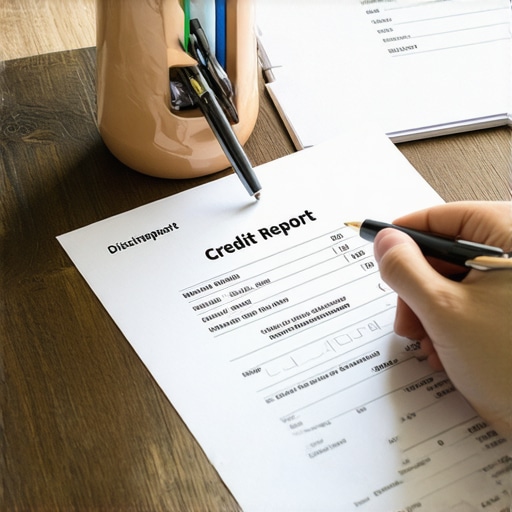
The first step is to obtain your latest credit report from all three bureaus—Equifax, Experian, and TransUnion—and review your paid judgment details. Make sure all information matches your records, including payment dates, amounts, and creditor details. I remember spending hours cross-referencing my report with old emails and bank statements, which helped me spot discrepancies that I could challenge later. Accurate documentation proves your case and accelerates the dispute process.
Identify Inaccuracies or Outdated Information
Not every paid judgment is correctly updated as settled. Look for entries that state ‘Paid’ but still list old details or show as unpaid. Use a highlighter or notes to mark these entries, especially if some info conflicts with your records. Think of this like detective work—each piece of inconsistent info is a clue on how to assert your rights effectively.
Dispute the Judgment with Credit Bureaus Using Strong Evidence
Initiate a dispute directly with each credit bureau reporting the judgment. You can do this online or via certified mail—certified mail ensures you have proof of submission. Attach copies of your payment receipts, settlement agreements, or court documents proving the judgment has been paid. When I disputed my judgment, I sent a detailed letter pointing out the inaccuracies and included clear copies of my bank statements showing the payment clearance. A tip: use the blueprint for credit repair to craft compelling dispute letters that increase your chances of success.
Request a Goodwill Adjustment if Automatic Removal Fails
If the bureaus won’t automatically remove the paid judgment despite evidence, request a goodwill adjustment directly from the original creditor or court—this is a polite letter asking them to delete the entry based on your payment history and circumstances. I once reached out to a creditor with a sincere letter, explaining my situation and requesting goodwill deletion; it worked after a few follow-ups. Remember, being courteous and concise can make a difference.
Leverage the Statutes of Limitations and Reporting Laws
Understand the age of the judgment and the applicable laws; some paid judgments may have surpassed the reporting period. Search for the statute of limitations in your state—if the judgment is too old, you can dispute it as obsolete. This legal angle is like hitting delete with a well-aimed shot, especially when combined with documented payments.
Follow Up with Each Credit Bureau Persistently
Disputes don’t end with the initial submission. Track your cases online or via mail, and if a bureau temporarily marks the debt as deleted but reappears later, file a reinvestigation request immediately. Persistent follow-up was my secret weapon, allowing me to ensure the paid judgments didn’t linger in my report longer than necessary.
Seek Professional Help When DIY Efforts Stall
If you find yourself stuck, consider consulting with credit counseling experts who specialize in dispute resolution. They have insider tactics and resources you might not discover on your own. My experience shows that professional assistance can significantly cut down the time and effort required to clean your report. For trusted guidance, explore credit counseling insights or get personalized advice through contact us.
Many assume that once they pay off a debt or settle a dispute, the issue magically disappears from their credit report. In reality, this is a common misconception that can trip up even seasoned financial enthusiasts. For instance, a frequent myth is that paying a judgment automatically results in its removal. However, creditors and credit bureaus often rely on manual updates and may not reflect payments immediately—if at all—necessitating proactive dispute efforts.
A critical nuance that many overlook is the importance of understanding the difference between debt settlement and credit report updates. Settling a debt doesn’t automatically erase the negative mark; without following up and disputing inaccuracies, outdated or unrefreshed entries can linger, dragging down your score. This oversight is a trap that can prolong your credit healing journey unnecessarily.
Furthermore, some believe that closing old accounts will improve their credit score. In truth, closing longstanding accounts can reduce your overall credit age, negatively impacting your score. According to FICO’s own research, length of credit history is a significant factor—and effectively managing old accounts often benefits your credit profile more than closing them. Be cautious of the common mistake of closing accounts prematurely, which can be an expensive error.
Did you know that the timing of disputes plays a vital role? For example, initiating a dispute too early or too late can diminish your chances of success. The best approach is to regularly review your report, identify discrepancies, and act promptly using strong evidence—like bank statements or payoff receipts—to support your case. This tactic can save you months of frustration and significantly improve your chances of removing negative marks.
Another misconception involves the role of credit counseling. Some think that professional help always guarantees faster results, but in reality, the effectiveness depends on your specific situation and the expertise of the counselor. Choosing the right service is crucial; for instance, reputable credit counseling agencies can offer personalized strategies, which you can explore further at their guidance page. Be wary of services promising overnight fixes—they can lead you into costly scams.
Mastering debt management and credit repair requires understanding these subtleties. By avoiding assumptions, acting promptly with compelling evidence, holding onto valuable accounts, and selecting trustworthy counseling, you can turn the tide in your favor. Remember, debt and credit issues often have nuanced solutions that go beyond simple payments—it’s about strategic action.
Have you ever fallen into this trap? Let me know in the comments. For more advanced strategies, check out this comprehensive guide to debt management and stay ahead in your financial journey.
Keep Your Progress Moving with the Right Tools
To sustain your credit improvements and manage debt effectively over time, leveraging the right tools is essential. Personally, I rely heavily on credit monitoring services like Credit Building Hacks, which provide real-time updates on my credit report activity. These platforms allow me to spot discrepancies early and react swiftly, preventing minor issues from escalating. Additionally, I use budgeting apps such as YNAB (You Need A Budget) because their proactive approach to expense tracking helps me stay disciplined, thus supporting my credit-building efforts.
Another valuable resource is dispute management software. Tools like SmartCredit enable me to organize and strategize my dispute letters, making the process more efficient. I found that consistent monitoring paired with disciplined budgeting creates a synergy that keeps my finances on track, even when market conditions fluctuate.
How do I maintain credit health over time?
Regularly review your credit reports—at least quarterly—and update your budget to reflect changing financial circumstances. Automated alerts from monitoring services serve as early warning systems, preventing small errors from becoming long-term damaging marks. Furthermore, establishing a routine of timely payments and keeping credit utilization low ensures your scores stay resilient, even during financial setbacks.
Predicting where this trend heads, I believe advancements in AI-driven credit analysis will soon offer more personalized insights, allowing consumers to preemptively address issues before they appear on reports. Embracing these technologies can give you a competitive edge in maintaining your credit health efficiently.
Optimize Your Credit Construction Strategy
Consider periodic building credit from scratch reviews to identify new opportunities for growth—like adding a secure credit card or becoming an authorized user on a well-managed account. These steps can enhance your credit mix and length, integral to long-term success. Remember, consistency is key; small, positive actions accumulated over time produce significant results.
If you haven’t already, try implementing automatic payment reminders and utilizing an effective dispute tracker—these simple yet powerful tactics can make a real difference. As you advance in your credit journey, continuous education and the right technological arsenal will be your best allies in safeguarding your financial future.
Want to deepen your understanding? Explore smart credit counseling, which provides tailored advice to keep your credit profile robust for years to come. Remember, your credit health is a marathon, not a sprint—invest in these tools and habits to enjoy the long-term benefits.

What I Wish I Knew About Disputing Paid Judgments
One of the most eye-opening lessons I learned was that paying off a judgment doesn’t automatically mean it’s off your report. Many people, including myself initially, assumed settlement erased negativity instantly. The real game-changer was understanding that active dispute efforts and timely follow-up were essential to truly clean my credit report.
The Hidden Cost of Ignoring Old Accounts and Judgments
I realized that closing old credit accounts or neglecting outdated judgments could do more harm than good. Keeping old, well-managed accounts helped maintain your credit age, boosting your score. Conversely, prematurely closing accounts or failing to challenge outdated entries can limit your credit profile’s strength, delaying genuine progress.
Why Your Dispute Strategy Must Be Personalized
One-size-fits-all approaches never worked for me. Successful credit repair requires tailored tactics—whether I leveraged legal statutes, sent compelling goodwill letters, or used specific dispute wording. Recognizing and customizing my approach based on the type of negative mark was key to making meaningful improvements.
How Continuous Education Transformed My Financial Path
Diving into advanced resources, like the blueprint for credit repair, kept me ahead of common pitfalls. Staying educated about evolving laws, dispute tactics, and credit scoring nuances empowered me to maintain a healthy credit profile long-term, preventing setbacks before they occurred.
Harsh Realities That Led to My Breakthroughs
The toughest lesson was accepting that credit repair isn’t instant—it’s a strategic, persistent process. Facing setbacks, re-disputing stubborn entries, and maintaining disciplined habits tested my patience. But perseverance—coupled with strategic actions—eventually unlocked the credit scores I’d only dreamed of.
Explore Tools That Stand the Test of Time
My essential toolkit includes real-time credit monitoring from Credit Building Hacks, dispute tracking software, and automatic payment alerts. These tools help me identify issues early, act swiftly, and stay consistent—vital elements for sustained credit health.
Keep Your Momentum with Actionable Steps
The journey to excellent credit isn’t over once you dispute a judgment. Regularly review your report, stay informed through trusted resources, and build habits like timely payments and low utilization. Remember, each small step accumulates into your long-term financial success.
Your Next Move Starts Today
Now that you understand the real work behind credit repair, take decisive action. Challenge those outdated judgments, leverage the right tools, and keep learning. Your credit report is a reflection of your efforts—shape it thoughtfully, and the rewards will follow.
What’s the first step you’re planning to take toward clearing a paid judgment? Share your thoughts below and let’s build stronger financial futures together.