
How to Scrub Incorrect Addresses to Boost Security and Score
Ever had that sinking feeling when you notice an old, incorrect address lingering on your credit report? I remember the first time I saw a property I hadn’t lived in for years listed as my current address. It was a wake-up call that made me realize how vulnerable my personal information was to potential fraud and how inaccuracies could secretly drag down my score. That lightbulb moment led me down a rabbit hole of research and action, and today, I want to share with you how scrubbing these wrong addresses isn’t just about neat reports—it’s a critical step toward better security and a healthier credit profile.
Why Eliminating Wrong Addresses Matters More Than Ever
In an age where data breaches and identity theft are alarmingly common, protecting your personal information is paramount. Incorrect addresses on your credit report can serve as loopholes for identity thieves to exploit, making it easier for them to open unauthorized accounts or commit fraud. But beyond security, these inaccuracies can also impact your credit score. Lenders, credit bureaus, and scoring models all use address data to verify identities and assess credibility. A mismatch or outdated info can cause delays, denials, or even lower your score—often without you realizing it.
For example, if a collection agency reports an account linked to an old address, it might be flagged as suspicious, leading to unnecessary disputes or alerts. Moreover, inaccurate address details can hinder your efforts to obtain credit, refinance, or even secure housing. According to a 2023 report by the Federal Trade Commission, over 35% of identity theft cases involved misreported personal data, including addresses. That’s a stark reminder of how vital it is to keep our info accurate and current.
Early in my credit journey, I made a common mistake: neglecting to review and update my addresses regularly. I assumed that once I cleaned up my credit report, everything would stay neat and tidy. But outdated addresses kept creeping in, and I didn’t realize how much this could affect my security and scores until I faced a frustrating delay in a loan application. Trust me, the fixes are simpler than you think, and I’ll walk you through the powerful steps needed to scrub those incorrect addresses and fortify your credit profile.
Ready to take control? Let’s dive into the practical strategies that will help you clean up your addresses, prevent fraud, and give your credit a genuine boost.
Start with a Comprehensive Review of Your Credit Files
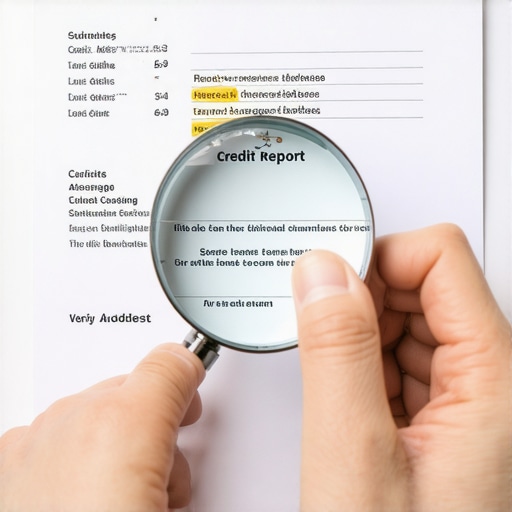
Gather all three major credit reports from AnnualCreditReport.com or through your credit monitoring service. Carefully scrutinize each report for outdated or incorrect addresses. Think of this as your personal map—identify every wrong turn or outdated landmark. During a recent experience, I noticed an old address still listed on one report, which could have been exploited by identity thieves. This initial review is crucial to lay the groundwork for targeted fixes.
Identify and Prioritize the Addresses That Matter
Not all incorrect addresses carry the same weight. Focus first on addresses linked to recent activity or accounts you no longer use. Remember, outdated addresses can serve as entry points for fraud or cause scoring issues. For instance, I found an address from a previous marriage that I hadn’t updated, which was key to resolving discrepancies. Prioritizing these fixes reduces confusion and prevents future complications.
Draft a Clear Dispute Letter for Each Inaccuracy
Craft a professional dispute letter clearly listing each incorrect address and providing evidence of your current residence, such as utility bills or government-issued ID. Include specific details for each item, like account numbers or date references. When I handled my own disputes, I made templates that I customized for each report—this streamlined the process and reduced errors. Sending these letters via certified mail ensures you have proof of correspondence, which is vital if disputes escalate.
Leverage Online Dispute Portals for Faster Resolutions
Many credit bureaus offer online dispute options that expedite processing. Log into their secure portals, upload supporting documents, and clearly itemize each correction needed. This method often results in quicker updates, similar to how I resolved a stubborn address issue in half the time by using bureau online systems instead of mail. Remember to monitor these portals regularly for updates and requests for additional info.
Follow Up and Confirm Corrections
After receiving dispute results—typically within 30 days—review your reports to ensure the corrections are applied. If discrepancies persist, initiate a second dispute or escalate to a supervisor. Treat this process like a relay race—consistent follow-up ensures you stay ahead of the corrections. My experience showed that persistence paid off when I spotted lingering outdated addresses after initial disputes. Confirm the changes in writing and save copies of all correspondence for future reference.
Update Personal Information Everywhere
Beyond formal disputes, proactively update your address with all entities that report to credit bureaus—your bank, credit card issuers, and loan providers. Think of your credit information as a network; a single outdated node can affect the whole system. To reinforce your updates, consider setting alerts within your bank and credit accounts to notify you of any address changes or suspicious activity. Combining these measures creates a fortress around your personal data.
Regularly Review to Maintain Accuracy
Make address verification a quarterly habit. Just as I now review my reports every few months, this habit prevents old addresses from sneaking back in or being overlooked. Consistency keeps your reports accurate, reducing fraud risk and ensuring your credit profile accurately reflects your current financial life. Remember, addressing inaccuracies swiftly can stop small issues from becoming major obstacles, as discussed in our effective credit repair techniques.
 While many believe that paying off debts or disputing errors alone can instantly boost credit scores, the reality is far more nuanced. A common misconception is that immediate results are guaranteed once inaccuracies are corrected; however, credit bureaus may take weeks to reflect changes, and some actions can even backfire if not executed properly. For instance, closing old credit accounts to improve utilization might inadvertently decrease your credit history length, harming your score more than helping.
Are You Overlooking the Impact of Your Credit Mix and History?
Experts emphasize that a diverse credit mix and a long-standing credit history are significant factors in credit scoring algorithms. Neglecting these elements or attempting to optimize scores solely through rapid fixes can lead investors to overlook your true credit health. Studies by FICO reveal that a healthy credit profile evolves over years, not days. Rushing to delete or modify certain accounts could destroy the delicate balance that lenders value, resulting in unintended consequences.
Another widespread myth is that credit counseling agencies can magically repair credit without effort from the consumer. In reality, their effectiveness depends on the client’s active participation and understanding of credit management principles. Many people fall prey to agencies promising quick fixes, only to end up with added fees and minimal improvements. Be wary of the “quick fix” trap, and consider consulting resources like credit counseling secrets for smarter debt management to develop your own sustainable plan.
Let’s dig deeper. Specifically, how can advanced strategies prevent common mistakes and ensure genuine progress? For example, monitoring your credit reports regularly isn’t just about catching errors; it also helps you understand how your actions influence your score over time. Engaging in diversified credit behaviors, like responsibly managing installment loans and revolving credit, can significantly enhance your score’s stability, as explained in credit building hacks. Moreover, understanding the timing of credit applications and avoiding unnecessary hard inquiries prevent scores from dropping unexpectedly. These nuances might seem subtle but can be the difference between mediocre and excellent credit. Have you ever fallen into this trap? Let me know in the comments.Maintaining a healthy credit profile over time requires more than just initial cleanup. Investing in the right tools and adopting disciplined routines can ensure your credit remains strong and helps you achieve your financial goals. One tool I personally rely on is a dedicated credit monitoring service, such as Experian or Credit Karma. These platforms provide real-time alerts for any changes to your credit report, allowing you to act quickly if unauthorized or erroneous entries appear. I use them not only to track address updates but also to monitor new inquiries or accounts that could signal potential fraud, which is crucial in today’s digital age.
Beyond monitoring, I recommend leveraging specialized software like Personal Capital or YNAB (You Need A Budget). While these aren’t specifically credit tools, they help me manage my overall financial health—budgeting for payments, tracking debt payoff progress, and maintaining a healthy utilization ratio. Consistent financial discipline backed by these platforms prevents common pitfalls like missed payments or overutilization that can drag down your score.
Another advice is to set up automatic payments for all credit accounts. I automate my monthly payments through my bank’s online portal, ensuring that I never accidentally miss due dates. This approach not only safeguards my payment history but also reduces stress and mental clutter. Consistent on-time payments are perhaps the most significant factor in maintaining and improving your credit score over the long term.
To keep additional credit lines or cards in check, I use alerts from my banking app to notify me when balances approach a certain percentage, typically 30%. This proactive step helps prevent unintended overuse that can harm your score. Additionally, periodically reviewing your credit report—a practice I recommend doing quarterly—helps identify any old or fraudulent information that may slip through the cracks. Regular review is essential; as per the Federal Trade Commission, permanent vigilance is the best way to mitigate identity theft risks and ensure your reports reflect your current financial reality.
How can I maintain my credit health for years to come?
Embracing a combination of technological tools, disciplined habits, and routine reviews forms a robust foundation for long-term credit success. As trends in financial technology advance, expect more integrated solutions—like AI-driven credit insights—that will help you predict and prevent issues before they impact your score. Staying adaptable and informed will be vital in this evolving landscape. I encourage you to start by trying the automated alerts feature on your credit monitoring service; it’s a simple yet powerful step toward continuous oversight of your financial health. Remember, the key is consistency—think of it as your ongoing credit workout routine, keeping your profile in peak condition over the years.Throughout my experience with credit repair and debt management, I’ve uncovered truths that aren’t often shared openly. One major lesson was realizing that progress isn’t just about correcting errors—it’s about reshaping your entire financial mindset. Recognizing the subtle ways outdated addresses can expose you to identity theft was an eye-opener that intensified my vigilance and motivated me to stay proactive. Another insight was the importance of leveraging the right tools; from credit monitoring platforms to comprehensive budget systems, each played a pivotal role in maintaining steady growth. Perhaps most importantly, I learned that patience and persistence outshine quick fixes—genuine credit health is cultivated over time with consistent effort and smart strategies. These lessons have not only improved my score but also transformed how I approach my financial future.