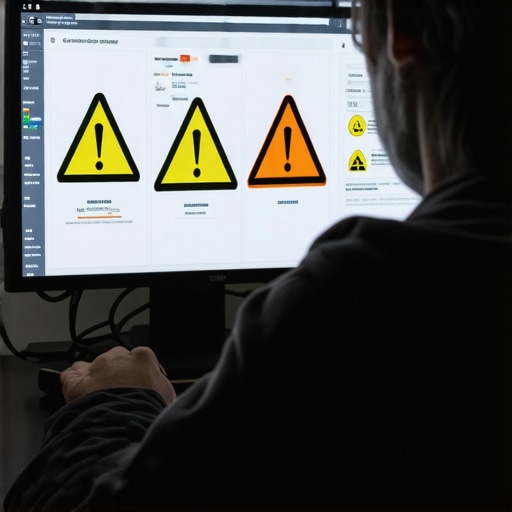
The Hidden Dangers of Credit Repair Software
I remember the moment it hit me—after hours of trying different credit repair tools, I found myself caught in a worse mess than when I started. My credit score seemed to be climbing one day, then dropping sharply the next. It felt like running in circles, wasting time and risking more damage without even realizing it.
The Real Risk Behind Credit Repair Software
When I first embarked on my credit rebuilding journey, I was eager to fix my finances quickly. Like many, I turned to popular credit repair software, hoping they’d be the magic bullet. But I soon learned that not all tools are created equal—and some hide risks that can backfire spectacularly. Did you know that according to a report by the Federal Trade Commission, scams and deceptive practices in the credit repair industry cost consumers over $95 million annually? That shocked me, especially since I thought I was investing in legitimate solutions.
Is All Credit Repair Software Actually Effective—and Safe?
Early on, I made a critical mistake: assuming that all these programs would automatically fix my credit without any unintended consequences. I trusted the hype without digging deeper, which led to a few false promises and even minor errors that could have gotten me into legal trouble. In fact, some of these tools attempt to manipulate credit reports or dispute accurate information, risking violations of credit reporting laws.
If you’re wondering whether these solutions are worth the hype, I get it. The idea of a quick fix is tempting, but I’ve learned firsthand that shortcuts often come with hidden costs. The key is understanding what dangers lurk beneath the surface and how to sidestep them for a smarter approach. Interested in safe, effective strategies? I’ll show you how to navigate this minefield step by step.
Start with a Precise Credit Report Audit
My first step was to order my credit reports from all three major bureaus to identify inaccuracies. I used the official site to avoid scams and carefully reviewed each entry. This process is like cleaning out a cluttered garage before reorganizing — you need to see what you’re working with. As I found errors, I challenged them following the procedures outlined in [How to challenge a repossession on your credit report](https://counselcredits.com/how-to-challenge-a-repossession-on-your-credit-report), ensuring mistakes didn’t undermine my score.
Dispute Mistakes Strategically
When I spotted a wrongly reported late payment, I prepared a dispute letter with supporting documents. Sending formal disputes online or via certified mail was crucial. Think of it as sending a certified letter to settle a misunderstanding — clarity and proof matter. This step is fundamental in clearing inaccuracies that drag your score down, as covered in [The paper trail method for fixing automated credit report errors](https://counselcredits.com/the-paper-trail-method-for-fixing-automated-credit-report-errors). The resolution might take weeks, but patience and persistence paid off.
Organize Debt to Minimize Damage
Next, I prioritized paying off high-interest debts while maintaining minimum payments on others. To avoid the debt avalanche effect — where interest keeps ballooning — I allocated extra funds to debts with the highest rates first. Using [Debt management secrets to tackle debt before it takes over](https://counselcredits.com/debt-management-secrets-tackle-debt-before-it-takes-over) as a guide, I created a manageable plan. This is like trimming a bush — focusing on the biggest branches first to shape the overall health of your finances.
Build or Rebuild Your Credit Profile Deliberately
If your credit history is sparse or damaged, opening a secure credit card or becoming an authorized user can accelerate rebuilding. I added my name as an authorized user on a trusted family member’s account, which boosted my score in a matter of months. Be cautious, though, because [The authorized user warning that it actually hurts you](https://counselcredits.com/the-authorized-user-warning-when-it-actually-hurts-you) highlights potential pitfalls. Consistent on-time payments and keeping balances low are key here, reinforcing positive credit behavior.
Leverage Utility and Mobile Bills Wisely
To build credit without risking debt, I paid utility and phone bills on time and reported these payments to credit bureaus. This approach is like turning everyday expenses into your credit-building tools. It’s especially useful if you lack traditional credit history. For detailed tactics, [How to build credit using utility bills](https://counselcredits.com/how-to-build-credit-using-utility-bills) offers practical steps. Regular, on-time payments serve as a foundation for a stronger score.
Measure Your Progress and Adjust
Every few months, I checked my credit reports and scores to track improvements. If I saw a dip, I reviewed recent activity, especially inquiries or new accounts, to identify causes. This ongoing review is akin to steering a ship — small adjustments prevent getting off course. Tools and tips in [Effective credit repair techniques for a fresh financial start](https://counselcredits.com/effective-credit-repair-techniques-for-a-fresh-financial-start) helped me refine my strategy over time.
 Many believe that credit counseling and repair are straightforward paths to financial health, but in reality, there are nuanced pitfalls even experienced borrowers often overlook. One common misconception is that all credit repair services are equally effective and safe. However, some providers employ aggressive disputes or manipulative tactics that may violate laws like the Fair Credit Reporting Act, risking further damage or legal repercussions. It’s crucial to scrutinize the methods used by these services and avoid ones that promise quick fixes without transparency.
Does Credit Counseling Really Improve Your Financial Future, or Could It Backfire?
Contrary to popular belief, not all credit counseling agencies are beneficial—some may prioritize their fees over your best interest, leading to unnecessary debts or damaged credit histories. According to financial experts, always verify the credentials of a counselor through reputable organizations and ensure their strategies align with your long-term goals. Be wary of programs that endorse consolidations or debt settlement tactics that might harm your credit score, as highlighted in studies like those from the Consumer Financial Protection Bureau. Instead, opt for strategies focused on responsible debt management, like creating a realistic budget and systematically reducing balances, which are detailed in articles such as [the debt management secrets page](https://counselcredits.com/debt-management-secrets-tackle-debt-before-it-takes-over). Additionally, advanced borrowers should recognize the importance of maintaining a diversified credit mix and understanding how inquiries impact their scores, topics often misunderstood. All these nuances underscore that credit health isn’t achieved overnight but through deliberate, informed actions. So, are you falling for the myth that a single service or quick fix can transform your financial standing? Remember, mastery over your credit requires patience and a deep understanding of the strategies that truly work. Have you ever fallen into this trap? Let me know in the comments.Maintaining a healthy credit profile requires more than just initial cleanup; it demands consistent effort and the right tools. Personally, I rely on a combination of dedicated software and disciplined routines that have proven effective over time. For example, I use Credit Karma for periodic score updates and credit monitoring, which allows me to track fluctuations and spot potential issues early. This service offers free credit reports and scores, making it accessible without additional costs, and its real-time alerts help me stay proactive. Additionally, I utilize Experian’s suite of tools, including their credit report analysis and identity theft protection, which provide deeper insights into my credit behaviors.
To ensure long-term success, I schedule bi-monthly reviews of my credit reports, cross-referencing them with my latest financial activities. This habit helps me catch inaccuracies or unfamiliar inquiries promptly, reducing the risk of score drops caused by unnoticed errors. I also automate bill payments wherever possible through my bank’s online platform to prevent late payments, which are among the most damaging factors for credit health. For instance, setting up automatic payments for utility bills, as discussed in [building credit with utility bills](https://counselcredits.com/how-to-build-credit-using-utility-bills), can significantly strengthen your profile.
Looking ahead, I predict that the integration of AI-driven credit management tools will become mainstream, providing personalized advice and predictive analytics to users. These advancements could revolutionize how consumers maintain their credit, making proactive management easier and more precise.
How do I keep my credit in tip-top shape over time? By leveraging rhythmic, automated check-ins with trusted tools. I highly recommend trying out a comprehensive approach: set up automatic bill payments to avoid late fees and enroll in free credit monitoring services like Credit Karma. Not only do these simplify your routines, but they also give you peace of mind, knowing that your efforts are consistent and informed.
To make your maintenance routine more effective, consider adopting a habit of quarterly reviews. During these sessions, review your credit reports in detail, dispute any inaccuracies promptly, and adjust your credit utilization strategies if necessary. For example, maintaining your credit utilization below 30% can boost your scores, as recommended in [effective credit repair tips](https://counselcredits.com/effective-credit-repair-tips-to-boost-your-score-today). Remember, the key to lasting credit health lies in persistent, informed actions supported by reliable tools.
One of the most eye-opening experiences in my credit journey was realizing that *not all advice or tools are created equal, and some might even set you back*. The hard lessons I faced taught me that patience, education, and strategic actions outweigh quick fixes. Knowing when to seek professional guidance versus doing it yourself is crucial—and understanding legal boundaries is non-negotiable for long-term success.
I’ve also learned that a well-rounded credit strategy involves more than just fixing errors; it’s about fostering positive habits consistently, like managing debt wisely and monitoring your reports regularly. Unexpected pitfalls, like falling for scams or misinterpreting credit scores, can be avoided by staying informed and skeptical of claims that seem too good to be true.
Finally, building credit isn’t a one-time effort but a sustained commitment. Leveraging everyday payments—utilities, mobile, and even rent—and maintaining low credit utilization rates have proven invaluable. The key is embracing genuine behaviors over shortcuts, which ultimately builds a resilient financial foundation for the future.