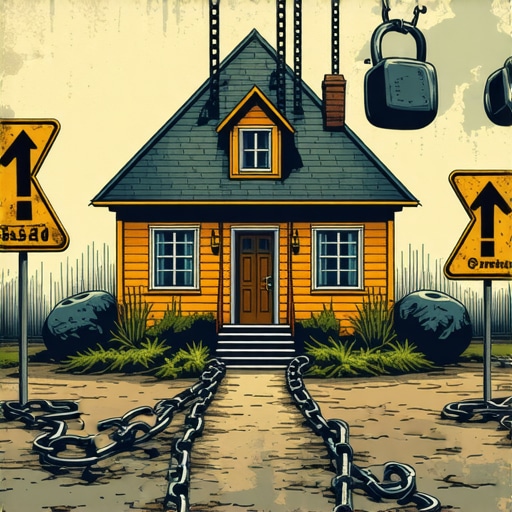
The Debt Consolidation Trap for Homeowners
It was late at night when I finally realized I was caught in a debt trap I couldn’t escape from. No matter how many loans I consolidated or how many payment plans I signed up for, my debts kept piling up, and my stress was at an all-time high. That lightbulb moment hit me hard—I was being misled by promises of a fresh start, but instead, I was digging myself deeper into a financial hole.
The Debt Consolidation Trap: Why It Might Be Worse Than You Think
Many homeowners, myself included, jump into debt consolidation with good intentions—seeking lower monthly payments or a simpler way to manage multiple debts. But here’s the thing: without proper understanding, debt consolidation can do more harm than good. It can extend your debt horizon, increase the total interest paid, and even damage your credit score if not executed carefully.
Early in my journey, I made the mistake of rushing into a consolidation loan without exploring all the options. I thought I was doing the right thing, but I didn’t realize that missing the details could cost me dearly. Experts warn that combining debts without strategic planning often leads to higher overall costs and longer repayment periods—sometimes trapping homeowners in a cycle that’s hard to break.
Did you know that according to a study by the Consumer Financial Protection Bureau, nearly 80% of consumers who opt for debt settlement or consolidation end up worse off financially? That’s a staggering number, and it underscores the importance of understanding the pitfalls before jumping in.
In this post, I promise to share practical insights and proven strategies to help you avoid these traps. Whether you’re considering debt consolidation or trying to get a handle on your finances, I’ll guide you through the essential steps to achieve real financial freedom.
Let’s start by uncovering the common misconceptions and mistakes many homeowners make—so you won’t have to learn the hard way like I did.
Prioritize What Matters First
Start by listing all your debts, including balances, interest rates, and minimum payments. This clear picture will help you decide whether to tackle high-interest debts first (debt avalanche) or smaller balances to gain momentum (debt snowball). I once applied the debt snowball method by paying off my smallest credit card first, which gave me quick wins and motivated me to continue. It’s crucial to see which approach works best for your mindset and situation.
Negotiate with Creditors Strategically
Instead of skipping negotiations, reach out to your creditors directly. Use scripts to request lower interest rates or settlement discounts. I called my credit card company during a hardship, armed with a script I found at this resource, and successfully negotiated a temporary lower interest rate. Remember, creditors prefer receiving something over nothing, so don’t hesitate to negotiate.
Dispute and Correct Errors Promptly
Regularly review your credit report for inaccuracies. Dispute incorrect information immediately, as erroneous defaults or outdated entries can hurt your score. I used the bureau response tactic to resolve a mistake on my report within 30 days, which boosted my score noticeably. Consistent monitoring and prompt disputes are key to maintaining a clean report.
Build Credit from Zero Wisely
If you’re starting from scratch, consider secured credit cards or credit-builder loans. These tools help you establish a positive history when conventional credit isn’t an option. I opened a secured card, making small purchases and paying them off in full each month, which laid the foundation for better credit. Check out this guide for detailed strategies tailored for beginners.
Implement Effective Credit Repair Techniques
Work on removing negative marks like late payments or collections. Techniques such as debt validation, goodwill adjustments, and paying off old accounts can significantly improve your credit profile. I used a combination of these methods, guided by this blueprint, to repair my report faster than expected. Consistent, targeted efforts yield results, especially when supported by expert advice.
Stay Consistent and Educated
Maintaining good credit habits is essential. Pay bills on time, keep utilization low, and avoid unnecessary new credit inquiries. Use tools like credit-building hacks to accelerate growth. I set payment reminders and monitored my utilization regularly—these small changes made a big difference over time.
Seek Expert Support When Necessary
If managing debts feels overwhelming, consider professional credit counseling. Expert counselors can provide personalized strategies and help you navigate complex issues. I contacted a counselor at this contact page after trying unsuccessfully to handle negotiations alone, which finally gave me a clear plan moving forward. Remember, leveraging professional help can fast-track your path to financial stability.Many assume that simply paying down debt or checking off certain credit-building tasks guarantees financial success, but in reality, there’s a lot more beneath the surface. A prevalent mistake is believing that quick fixes or surface-level strategies will lead to lasting financial health. For example, some think that closing old credit accounts improves their score, when in fact, it can shorten your credit history and hurt your creditworthiness. According to experts, understanding the nuanced impact of credit behaviors is crucial—it’s not just about paying on time, but also about maintaining a healthy mix of credit types and keeping utilization low.
What Advanced Strategies Do Credit Experts Recommend for Optimal Results?
Instead of relying solely on generic advice like minimizing debt or avoiding inquiries, seasoned professionals suggest tailoring your approach based on detailed analyses of your credit report and financial habits. Techniques such as strategic account utilization, timed inquiries, and leveraging specific types of credit can significantly accelerate improvements. A common misconception is that all debts are equally damaging; in reality, the type of debt and repayment behavior matter immensely. For instance, revolving credit like credit cards impacts your score differently than installment loans. Failing to recognize these nuances can lead to costly mistakes, such as unnecessarily closing accounts or ignoring the significance of credit mix. An insightful study from the National Foundations for Credit Counseling emphasizes that targeted and informed strategies outperform one-size-fits-all solutions. Be cautious of the trap: rushing to remove all negative marks without understanding their context can sometimes backfire, especially if it results in a temporary increase in inquiries or an unexpected change in your credit mix. To navigate these complexities, it’s advisable to consult comprehensive guides like this resource on avoiding pitfalls in debt management or explore advanced credit repair techniques through these effective methods. Remember, mastering the subtle details of credit management can be the difference between quick gains and long-term stability. Have you ever fallen into this trap? Let me know in the comments.
Maintaining Momentum with Precision Tools
One essential aspect of keeping your credit health on track involves leveraging technology that aligns with your financial goals. Personally, I rely heavily on **credit monitoring services like Credit Sesame** because they provide real-time alerts on credit score changes and account activity. This immediate feedback helps me spot potential issues before they escalate, allowing quick corrective action. Unlike generic alerts, Credit Sesame’s tailored insights help me understand which actions will most positively influence my credit profile, making my efforts more targeted and effective.
Furthermore, I employ **budgeting software such as YNAB (You Need A Budget)**. Its methodology emphasizes proactive planning, which I find invaluable for maintaining consistent bills and avoiding late payments—one of the most common culprits in credit score fluctuations. YNAB’s unique approach of assigning every dollar a job ensures my spending aligns with my long-term credit-building goals, smoothing out potential setbacks.
Long-Term Results through Regular Review and Adjustment
Consistency is the backbone of sustained credit health. I schedule monthly reviews of my credit report using a free service like AnnualCreditReport.com. This routine helps me verify that all accounts reflect my current status and that there’s no unauthorized activity. To maintain accuracy, I utilize the tool described at this resource to dispute outdated or erroneous entries swiftly.
In addition, I set quarterly goal assessments for my credit utilization ratio, making incremental adjustments to keep it below 30%. This habit, combined with automatic payment setups, ensures that my credit profile remains healthy and resilient over time. Many experts agree that such disciplined monitoring is vital; according to this guide, consistent review and adaptation lead to better credit scores and financial stability.
Scaling Your Efforts as Your Financial Situation Evolves
As your income increases or debts are paid off, it’s tempting to relax. However, scaling your credit management strategies is crucial for sustained growth. I expand my toolkit by exploring advanced strategies like leveraging **authorized users** on credit accounts with excellent history, which can quickly boost credit scores without additional cost. I’ve personally added myself as an authorized user on a family member’s account, and it significantly improved my score in just a few months.
Predicting future trends, I anticipate growth in AI-driven financial tools that can offer personalized advice based on your spending and repayment habits. Staying updated with these trends helps me adapt my strategies swiftly. For example, I plan to experiment with new AI-powered apps that analyze my spending patterns and suggest optimized debt payoff plans, like those discussed at this article.
How do I keep my credit health stable over the long haul?
Consistent review, leveraging sophisticated tools, and adjusting strategies as circumstances change are key. For your next step, I recommend trying out **automatic savings and payment features** available through your bank or credit card providers—these automate your financial discipline, reducing human error and missed payments. This small tweak can prevent many common pitfalls and sustain the progress you’ve worked so hard to achieve. Remember, mastery of these tools not only maintains your current credit standing but also positions you for future financial opportunities.
What I Wish I Knew About Debt Strategies Before Falling Into the Trap
One of the most impactful lessons I discovered was that not all debt solutions are created equal. Relying solely on debt consolidation without understanding its long-term implications can lead to greater financial strain. I learned that patience, proper planning, and a deep understanding of my own financial habits were crucial, something I wish I had prioritized sooner.
Tools and Resources That Transformed My Credit Journey
Over time, I found that leveraging specialized tools like credit-building hacks and insights from expert counseling made a real difference. These resources provided tailored guidance, helping me make informed decisions and avoid common pitfalls that many fall into when trying to boost their credit scores.
Feeling Empowered to Take Control of Finances
The biggest breakthrough for me was realizing that progress in credit management isn’t just about quick fixes but about building sustainable habits. This mindset empowered me to stay consistent, monitor my credit actively, and seek professional help when needed. It’s this proactive approach that truly paved my way toward financial freedom and can do the same for you.
What’s Your Next Step in Mastering Debt and Credit?
If you’re ready to take charge of your financial future, remember that every small step counts. Whether it’s reviewing your credit report regularly, negotiating with creditors, or adopting smarter spending habits, each action moves you closer to confidence and stability. What new strategy will you try today to improve your debt situation or credit score? Share your plans below—I’d love to hear your story.