Why a Personal Loan Might Be Better Than a 0% Transfer Offer
I remember the moment clearly: I was sitting at my kitchen table, staring at an email offering a 0% balance transfer, and feeling that fleeting hope—maybe this time, I can finally beat my credit card debt. But the truth is, for many of us, that shiny zero percent APR can become a trap rather than a rescue. It seemed like the perfect solution at first, but I learned firsthand that it can sometimes do more harm than good.
When I first saw the offer, I thought, “This is it. No interest for 12 months—that’s exactly what I need.” But quickly, I realized a few things that weren’t so obvious initially. If I didn’t pay off or transfer my balance before the promotional period ended, I would be hit with sky-high interest rates that could undo any progress made. Plus, juggling multiple balance transfers and keeping track of repayment deadlines became overwhelming. Sound familiar?
This led me down a path of trial and error, and it’s a common story among many trying to fix their finances. The catch with 0% transfer offers is that they often come with hidden pitfalls, like transfer fees and the risk of overspending on credit cards during the promotional period. According to a recent study by the FTC, around 80% of consumers who opt for balance transfers end up paying more in the long run because they don’t manage the repayments effectively.
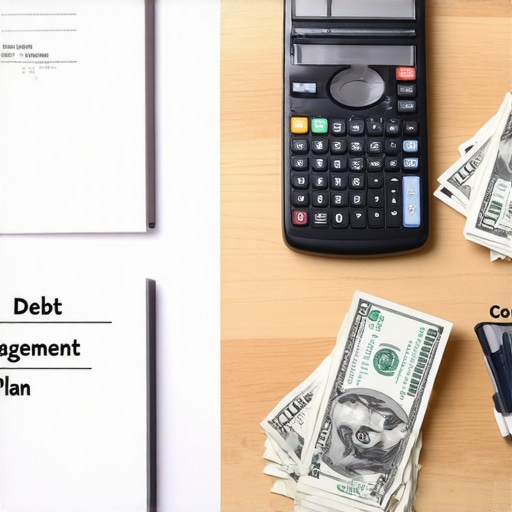
What I discovered was that, in some cases, a well-structured personal loan might serve you better. Personal loans can offer fixed interest rates, set repayment schedules, and often involve fewer fees or surprises. They can also provide a clearer, less stressful path to paying off debt, especially if you prefer having a concrete plan without the ticking clock of a promotional rate.
Today, I’ll walk you through the differences and help you decide whether a personal loan should be your next move. If you’ve been caught in the cycle of chasing those 0% offers, or if you’re unsure which debt management strategy makes the most sense, you’re not alone. Let’s explore how you can make smarter decisions to improve your credit health.
Demystifying the Balance Transfer Trap and Why You Might Skip It
Consolidate Your Debts Strategically
Start by listing all existing debts, noting their interest rates and balances. Prioritize consolidating high-interest debts into a single lower-rate personal loan, which simplifies payments and can save you money over time. When applying for a loan, compare offers based on fixed rates and repayment terms; avoid variable rates that can fluctuate unexpectedly. Remember, a well-chosen consolidation loan is like replacing a tangled ball of yarn with a single steady thread, making it easier to manage your debt. I once applied this by negotiating with my bank for a personal loan instead of multiple credit card payments; within a few months, my monthly obligation was more predictable, reducing stress and improving my credit reports.
Dispute Errors Methodically and Document Everything
Errors on your credit report can drag your score down unnecessarily. Regularly review your reports using trusted tools, and when you spot inaccuracies—like wrong late payments or unrecognized accounts—dispute them systematically. Use the fact-checking approach: gather supporting documents, write clear dispute letters, and send them via certified mail. This paperwork trail acts as your defense should any challenges arise. I once spent a weekend reviewing my reports, pinpointing inaccuracies, and mailing disputes; after a month, several entries were corrected, giving my score a noticeable bump. To streamline this process, consider consulting [effective credit repair tips](https://counselcredits.com/effective-credit-repair-tips-to-boost-your-score-today) and learning how to handle these errors effectively.
Build Credit Slowly but Surely with Consistent Habits
Focus on small, deliberate steps to establish or rebuild your credit profile. This includes making on-time payments, maintaining low credit utilization, and gradually increasing your credit limits—preferably with secured cards that graduate to unsecured accounts. Think of it like watering a plant daily—you won’t see instant growth, but over time, your efforts will bear fruit. I personally started by tracking my payment dates on a calendar, setting reminders to avoid missed payments, which gradually improved my credit standing. For faster results, explore [credit building hacks](https://counselcredits.com/credit-building-hacks-fast-track-your-credit-score) to optimize your efforts. Remember, patience and consistency are your best allies in credit recovery.Many people believe that simply paying off debts or disputing inaccurate items on their credit report will rapidly boost their credit scores, but the reality is far more nuanced. A common misconception is that credit repair is primarily about quick fixes; however, experts emphasize that sustainable improvement involves understanding the underlying factors influencing your credit profile. For instance, while disputing errors can indeed remove inaccurate negative marks, some mistakes are often the result of systemic issues, like high credit utilization or insufficient credit history, which disputing won’t resolve. According to a 2022 report by FICO, a balanced approach combining error correction with responsible credit habits yields the best long-term results.Once you’ve taken significant steps toward improving your credit, staying on top of your progress becomes essential. The key to long-term success lies in leveraging effective tools and establishing disciplined routines. I personally rely on specialized software like Credit Karma and Experian’s CreditWorks because they offer real-time updates, customized alerts, and detailed insights into my credit report and score fluctuations. These platforms allow me to monitor changes immediately, so I can address potential issues before they escalate, which is crucial for maintaining good credit over time.
Additionally, utilizing budgeting tools like Mint or YNAB helps me keep a close eye on my finances, ensuring my credit utilization remains low—one of the most influential factors in credit scoring. I also recommend setting up automatic payments for bills and loans through your bank or lender’s app. This simple step reduces the risk of late payments, which can cause score dips and erode your hard-won progress.
Looking ahead, the future of credit management points toward increased automation and AI-driven insights. More sophisticated algorithms will predict potential credit issues before they happen, empowering consumers to act proactively. Staying informed about these advancements can give you an edge in maintaining and even enhancing your credit health.
## How do I maintain my credit over time?
To ensure your credit remains in good shape, establish a consistent routine of reviewing your credit reports at least quarterly—using trusted tools and sometimes doing manual checks for accuracy. Dispute inaccuracies promptly using systematic methods like the [fact-checking approach](https://counselcredits.com/effective-credit-repair-tips-to-boost-your-score-today). Additionally, keep up with responsible credit habits: make payments on time, keep balances low, and avoid unnecessary hard inquiries. Establishing a habit of tracking your scores with tools that send alerts about unusual activity helps catch potential fraud or errors early.
For a more structured approach, consider consulting experts or taking advantage of advanced strategies such as credit building hacks to accelerate your progress. You can learn how these tactics work in detail by browsing trusted resources like [building credit from scratch](https://counselcredits.com/building-credit-from-scratch-a-step-by-step-guide). Consistency and proactive maintenance are your best bets for long-term credit health.
### Maximize Your Progress with Advanced Tips
Try implementing the ratio method—a method that adjusts your credit utilization ratio intelligently to reduce debt faster than traditional snowball methods. This technique involves strategically increasing your credit limits (without overspending) to lower your utilization ratio, which directly boosts your score. For actionable steps on maximizing this, review detailed strategies in [how the ratio method kills debt faster](https://counselcredits.com/how-the-ratio-method-kills-debt-faster-than-a-snowball).”} }‹|endofprompt|}#END#}’]>
The Hardest Lesson I Learned About Credit Building
One of my biggest realizations was that patience outweighs quick fixes. I spent months disputing errors and chasing credit hacks, only to find that consistent, responsible habits—like timely payments and low utilization—built my score in the long run. This taught me that sustainable credit health is a marathon, not a sprint.
3 Myths About Debt Management That Held Me Back
I believed paying off the smallest debt first or consolidating all debts into one would solve everything instantly. It wasn’t until I learned about the power of strategic debt payoff methods, like the ratio technique, that I saw real progress. Debunking these myths was the turning point in my journey to financial freedom.
What Experts Won’t Tell You About Credit Counseling
Many overlook how credit counseling can offer personalized guidance tailored to your unique situation. I discovered that working with a reputable counselor helped me craft a plan, avoid common pitfalls, and stay committed—something no DIY approach can substitute. Sometimes, expert insight makes all the difference.