The ‘Self-Lending’ Tactic for Scorched Credit History
One sleepless night, staring at my damaged credit report, I felt a surge of frustration and helplessness. My scores had been in freefall, and every attempt I made to repair my credit seemed futile. It was then that I stumbled upon a strategy that sounded almost too good to be true—self-lending. I remember thinking, “Is this just another scam, or could it actually help?” That experiment turned into a game-changer for my financial health.
Why I Chose to Experiment with Self-Lending
After months of trying traditional methods—paying down debts, disputing errors, and waiting patiently—I hit a wall. My score refused to budge, and I felt like I was spinning my wheels. Then, I read somewhere that responsible self-lending could simulate positive credit activity, even when you’re starting from a scorched report. Curious (and a bit desperate), I decided to give it a shot. Little did I know, this tactic would become my secret weapon in rebuilding my credit from the ground up.
Does Self-Lending Really Work? The Biggest Skepticism
Initially, I was skeptical. I feared it might be a complicated process or worse—something that could hurt my credit further. In fact, I made the mistake early on of applying multiple small loans without clear understanding, which backfired and caused temporary score dips. However, through careful planning and sticking to proven principles, I was able to turn this tactic into a reliable tool. For a detailed breakdown of this strategy, check out effective credit repair tips.
Now, I want to share how you can harness the power of self-lending to repair your score—if you’ve faced similar frustrations. Ready to see how this simple yet powerful method can help you rebuild your credit, even in the toughest situations? Let’s dive in.
Set Your Clear Credit Goals and Assess Your Current Report
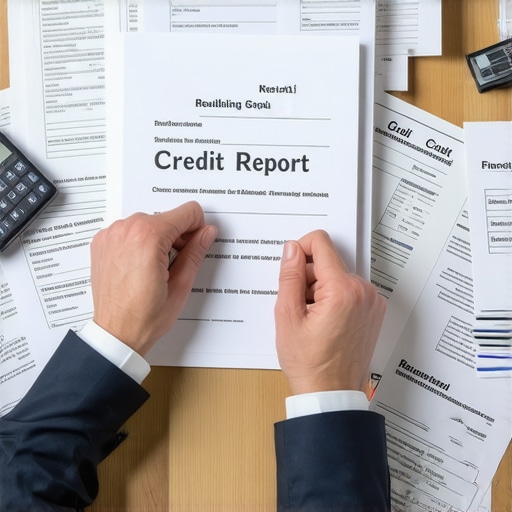
Before diving into self-lending, pinpoint what you want to achieve—whether it’s boosting your score for a mortgage or repairing recent negative marks. Review your credit report meticulously to understand your starting point; look for errors, outdated info, or unpaid debts that need addressing. This process helps you customize your approach effectively.
Open a Secure, Manageable Self-Lending Account
Select a reputable financial institution or online platform that offers personal loans for credit building. Start with a small, manageable amount—say, $200 to $500—that you can comfortably repay over a few months. Consider this step like planting a seed; the goal is to nurture positive activity without risking your financial stability.
Choose the Right Loan Type and Terms
Opt for a term length that aligns with your ability to pay consistently—typically 3 to 6 months. Avoid loans with high interest rates or hidden fees. The idea is to create a simple, transparent payment plan that signals responsible borrowing behavior to credit bureaus.
Make Consistent, On-Time Payments
This is the critical phase. Treat it like a rent payment—set up automatic payments if possible. Each on-time installment demonstrates your reliability, which credit scoring models interpret as responsible credit use. I recall once funding a small loan via a local credit union, where I set automatic payments to avoid missed dues. Even if the process seemed trivial, it contributed significantly to my score improvement over time.
Avoid the Temptation to Borrow Excessively
Resist the urge to apply for multiple loans simultaneously; doing so can raise red flags and temporarily lower your score. Focus on one manageable loan, pay it diligently, and track your progress regularly.
Monitor and Report Your Progress
Keep an eye on your credit reports—use free tools or services to see updates. Some platforms report your payments directly to bureaus, which accelerates your progress. If errors appear, dispute them promptly, referencing [effective credit repair tips](https://counselcredits.com/effective-credit-repair-tips-to-boost-your-score-today) for guidance. Maintaining awareness ensures no mistake undoes your efforts.
Leverage the New Credit Activity for Further Improvement
As your score begins to rise, use the improved profile to qualify for higher-limit cards or better loan terms. Avoid closing the self-lending account prematurely; keep it open and active as part of your credit history. This continuous responsible behavior will reinforce your creditworthiness.
Remember, self-lending isn’t a magic fix but a strategic tool. It requires discipline, consistency, and patience—like tending a garden. Over time, these steps can elevate your credit profile, opening doors to better financial opportunities. For an in-depth look at building credit from scratch, visit Building Credit from Scratch.
Many believe that credit repair is primarily about disputing errors or quickly paying off debts, but the truth is far more nuanced. A common misconception is that deleting negative items from your report will instantly elevate your score. In reality, credit bureaus may not prioritize disputes over recent responsible activity, which means that focusing solely on removal without building positive habits can be a fool’s errand. To truly boost your credit health, consider adopting holistic strategies like responsible credit building and understanding the complexities of credit scoring models.
Another widespread myth is that closing old accounts always benefits your credit profile. Actually, this can backfire by shortening your credit history length—a key factor in your credit score—and increasing your utilization rate. Skilled debt management involves maintaining a mix of accounts and managing them responsibly over time, rather than just closing accounts to tidy up your report. For advanced insights, review credit-building hacks.
What is the real impact of credit inquiries, and how can I leverage them without damaging my score?
Many think that all credit inquiries are equally damaging, but the distinction between hard and soft inquiries is often overlooked. Hard inquiries, like applying for a new loan, can temporarily lower your score, but strategic timing and limiting applications are crucial. Conversely, soft inquiries, such as checking your own score, have no impact. Savvy consumers can minimize negative effects by spacing out applications and understanding how scoring models rate these activities. Studies show that multiple inquiries within a short period for the same purpose, like mortgage shopping, are grouped together and have less impact—so timing is everything.
Be cautious of the trap where chasing multiple credit boosts at once leads to repeated inquiries, which can compound and stall your progress. Instead, focus on consistent, responsible credit activity, like making on-time payments, which far outweighs the impact of inquiries. For a deeper dive into optimizing inquiry management, check out effective credit repair tips.
In sum, understanding these nuances can make the difference between superficial fixes and genuine financial health. Instead of falling for oversimplified solutions, embrace a strategic approach that considers all factors affecting your credit profile. Remember, what many get wrong is often a combination of myths and overlooked details—so stay informed and deliberate in your actions. Have you ever fallen into this trap? Let me know in the comments.
How do I keep my credit improvement efforts sustainable over time?
Consistent monitoring and strategic use of reliable tools are essential to preserve the gains you’ve made in your credit profile. I personally rely on credit monitoring services like Experian and Credit Karma because they provide real-time updates and detailed insights. These platforms alert me to any unexpected changes, allowing prompt action to address potential issues before they impact my score. Additionally, maintaining organized records of all correspondence with creditors and credit bureaus helps in dispute processes, should errors arise in the future.
To further streamline the process, I use budgeting software such as YNAB (You Need A Budget). It helps me keep track of my spending and ensures I make all payments on time—an essential factor for long-term credit health. Setting up automatic payments for recurring bills minimizes missed dues, reinforcing responsible behavior. By integrating these tools into my routine, I create a system that supports ongoing credit discipline and prevents relapse into bad habits.
Recommended Maintenance Tools for Long-Term Success
Beyond monitoring and budgeting, credit builders like effective credit repair tips emphasize the importance of maintaining a healthy credit mix and utilization ratio. Tools like Experian Boost can help by including utility and phone payments in your credit history, providing a more comprehensive view of your responsible behavior. Regularly reviewing your credit report, at least quarterly, ensures you stay aware of your standing and can spot discrepancies early, preventing long-term damage.
The Future of Credit Management Tools and Your Role in It
Emerging technologies such as AI-driven credit analysis and blockchain-based reporting are on the horizon, promising even more personalized and transparent credit management solutions. Staying informed about these innovations, like following reports from credit counseling insights, enables you to adapt your strategies proactively. As these tools become mainstream, your active engagement and disciplined use will remain vital in leveraging their full potential for sustained improvement.
What’s the best way to keep your credit health thriving?
Adopt a proactive mindset by integrating these advanced tools into your routine. Set reminders to check your reports monthly, automate payments to avoid missed dues, and stay updated on new technologies that can enhance your credit profile. Remember, maintaining your credit is an ongoing process that benefits from informed decisions and disciplined habits. To deepen your understanding of debt management and leverage proven strategies, visit mastering debt management. Start applying one new tool or habit today and take a tangible step toward long-term financial health.
What I Wish I Knew When I Started Self-Lending
- My biggest mistake was rushing into multiple small loans without understanding the importance of responsible payment habits. It temporarily hurt my score rather than helping it. Learning patience and focusing on one manageable loan proved crucial.
- I used to believe that credit repair was all about disputing errors. I later realized responsible credit activity, like consistent payments, plays a much bigger role in boosting scores long-term.
- Closing old credit accounts seemed like a good idea initially, but I discovered it can shorten your credit history, negatively impacting your score. Keeping accounts open and active is often better for your credit health.
- Timing inquiries wisely is vital. Spreading out loan applications and understanding the difference between soft and hard inquiries helped me avoid unnecessary score dips.
My Top Tools to Sustain Credit Progress
- Experian and Credit Karma are my go-to for real-time monitoring. They alert me to changes, allowing quick responses and ensuring I stay on track.
- YNAB (You Need A Budget) helps me organize my finances, set automatic payments, and avoid missed dues—which is essential for maintaining good credit habits.
- Experian Boost allows me to include utility and phone bill payments in my credit report, proving responsible behavior outside traditional credit accounts.
- Regularly reviewing my credit reports, at least quarterly, helps catch errors early and keeps my efforts aligned with my goals.
Keep Moving Forward, No Matter What
Having gone through the ups and downs of credit rebuilding, I can confidently say progress is entirely within your control. By adopting disciplined habits, leveraging trustworthy tools, and staying informed about the latest credit insights, you’re setting yourself up for lasting success. Remember, credit health isn’t a one-time fix but a lifelong journey—embrace it, and watch your financial opportunities expand. Ready to take the next step? Share your story or ask questions below, and let’s grow stronger together.