How to Get Your First High-Limit Credit Card in 6 Months
Have you ever felt that sinking frustration of watching your credit application get denied or, worse, approved with a low limit that doesn’t make a real difference? I remember the sting of applying for a high-limit credit card, only to be met with a cold rejection or an initial limit that barely covered a few groceries. That lightbulb moment hit me hard: I needed a strategy, not just hope, to get the credit line I truly wanted—and needed. After months of trial, error, and learning from my mistakes, I finally cracked the code to secure a high-limit credit card within just six months. And today, I want to share that journey with you, so you don’t have to stumble in the dark like I did.
Why High-Limit Credit Cards Matter More Than You Think
High-limit credit cards aren’t just about bragging rights—they’re a powerful tool to boost your credit score, increase your borrowing capacity, and improve your financial flexibility. When you have a higher credit limit, your utilization ratio decreases, signaling to lenders that you’re a responsible borrower. This, in turn, can propel your credit score upward. Plus, with a larger credit line, you have more room to manage expenses without hurting your score—and that can even lead to better loan terms down the line. If you’re aiming for premium auto loans or mortgage rates, having a proven track record of managing a high-limit card is crucial.
Is Building Credit Fast Really Achievable?
Many people think building solid credit takes years, but with the right approach, you can fast-track this process. Early on, I made the mistake of applying for too many cards at once or ignoring the importance of maintaining low balances. These missteps slowed my progress significantly. Trust me, the key isn’t just about having a credit card but about how you manage it—timely payments, low utilization, and strategic credit building hacks. If you’re wondering what steps to take next, I recommend checking out these credit-building hacks to accelerate your journey.
If you’re overwhelmed or unsure where to start, don’t hesitate to reach out through this contact page. Getting expert guidance early can make all the difference.
Now, let’s dive into the practical steps to turn this vision into reality—starting with understanding the common pitfalls and how to avoid them.
Focus on Your Payment History
The first crucial step is ensuring your payments are always on time. I once missed a deadline because I overlooked a bill, which temporarily hurt my score. To avoid this, set up automatic payments or reminders. Consistent punctuality signals financial responsibility and directly impacts your creditworthiness. Remember, a single missed payment can set you back, so build this habit ruthlessly.
Reduce Your Overall Credit Utilization
Your utilization ratio—the percentage of credit used versus available—is a key factor. Aim to keep it below 30%, ideally under 10%. In my case, I paid down existing balances after each statement, which noticeably improved my score. Use your credit actively but responsibly; make small payments throughout the month to keep balances low. This technique demonstrates you’re managing credit well and can improve your chances of a higher limit.
Build Credit from Scratch with Secured Cards
If you’re starting from zero, secured credit cards are your best bet. Unlike traditional cards, they require a deposit that becomes your credit limit. I opened a secured card with a modest deposit and used it for small, regular purchases. Paying it off in full each month established a positive payment record. Over time, this positive history contributed to our goal of obtaining an unsecured high-limit card.
Leverage Authorized Users Strategically
Adding yourself as an authorized user on someone else’s credit account can boost your score quickly. I was added to a relative’s account with a solid payment history, which credited me with their good behavior. This method isn’t foolproof, so ensure the primary account holder manages their credit responsibly—missed payments here could backfire. Use this tactically to build positive history before applying for higher limits.
Limit Hard Inquiries and Apply Wisely
Every new credit inquiry slightly lowers your score. I limited my applications to one or two well-researched lenders every six months. When I applied for the high-limit card, I made sure to do it within a pre-approved window, minimizing the impact. This approach preserves your score while aiming for the credit line you desire, avoiding unnecessary setbacks.
Balance Between Debt and Income
Lenders consider your debt-to-income ratio. I improved my chances by paying down existing debts and increasing income streams where possible. Documents showing stable income can persuade issuers you’re capable of managing larger credit lines. Smart debt management, combined with income growth, signals to lenders that you’re a trustworthy borrower.
Don’t Forget to Regularly Track Your Progress
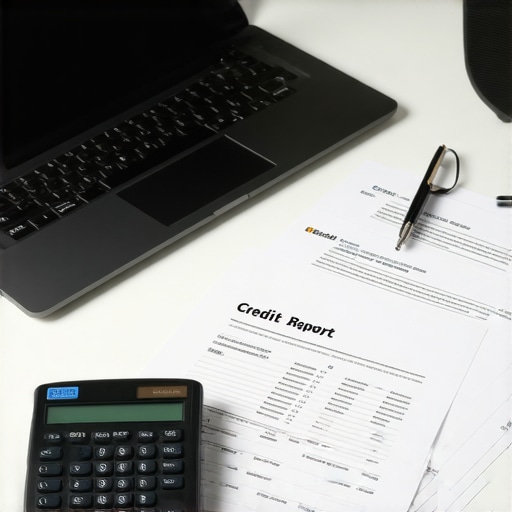
Monitoring your credit report helps you spot errors and see how your efforts pay off. I used free tools and periodically checked my report, ensuring no surprises. Disputing inaccuracies swiftly with effective techniques can also boost your score faster—learn more about these credit repair techniques to accelerate your progress.
Stay Persistent and Patient
Building a high limit isn’t instant. I faced setbacks, like a slight dip after a hard inquiry, but stayed consistent with my habits. Over months, my score improved, and I was approved for a premium credit line. Remember, disciplined credit behavior now sets the foundation for your financial future. For more nuanced strategies, explore these proven methods.
Don’t Fall for Simplistic Solutions
Many believe that checking their credit report once a year or making a few on-time payments is enough to repair or build credit effectively. However, this misconception can lead to overlooked errors and missed opportunities for swift improvement. In my experience, ignoring the nuances—like disputing outdated or incorrect data promptly—can significantly hinder your progress. Studies show that nearly 5% of credit reports contain errors, which, if unchallenged, can cost you thousands in missed credit opportunities. For advanced strategies, examine techniques like effective credit repair methods that target specific inaccuracies, ensuring your report truly reflects your creditworthiness.
Myth of the Quick Fix
A common trap is believing there’s an instant solution—like a magic score boost or an approved-in-one-day process. The reality is, credit repair and building require consistency and strategic planning. For instance, over-relying on credit repair software can sometimes lead to errors, as these tools may not address the unique nuances of your report. Instead, I recommend a holistic approach, focusing on strategic disputes, timely payments, and understanding the intricacies of credit scoring models. Remember, patience combined with knowledgeable actions yields more sustainable results.
Beware the Debt Management Pitfall
Many think that paying off debts immediately is always best—yet, without proper planning, it can backfire. For example, closing paid accounts without understanding their impact on your credit age can reduce your score. Additionally, initiating debt settlement offers without considering how they affect your credit profile can cause more harm than good. According to experts, the key is to balance debt reduction with maintaining or improving credit history length, which can be optimized through smart credit counseling strategies. This nuanced approach helps avoid unintended score decreases and positions you for long-term financial wellness.
Advanced Question: How Can I Dispute Inaccuracies Without Falling into Common Traps?
Disputing inaccuracies is crucial, but doing it incorrectly can delay recovery or even worsen your situation. For instance, disputing legitimate accounts as errors may waste time and reduce your credibility with lenders. The best practice involves understanding the specific approaches like the evidence-first method, validating every disputed item with concrete proof, and following up persistently. Expert-backed techniques emphasize thorough documentation and strategic timing, avoiding common pitfalls. Have you ever fallen into this trap? Let me know in the comments.
Mastering these nuances means recognizing that credit repair, building, and debt management are complex processes that benefit from informed, strategic actions, not quick fixes or generic advice. For comprehensive guidance tailored to your situation, consider reaching out through this contact page.
Keep Your Credit Growth Steady with Reliable Tools
Maintaining your credit progress over time requires more than just good habits; it demands the right technology to support your journey. Personally, I rely on a combination of credit monitoring services and budgeting software designed specifically for credit management. One tool I trust is Credit Karma, which provides real-time updates on your credit score and alerts you to any changes. I also use Personal Capital to track my net worth and spending patterns, ensuring that I stay within my budget and maintain low utilization ratios. These tools help me catch errors early and prevent small issues from snowballing into larger setbacks.
Why Automation Is Your Best Friend in Credit Maintenance
Automatic payments are crucial for keeping your payment history intact. Setting up automatic bill pay ensures I never miss a due date, even during busy weeks. Many banks and creditors offer automation options, which I highly recommend activating. Moreover, there are tools like Prism or YNAB (You Need A Budget) that integrate with your accounts to help automate savings and expenses, keeping your financial habits disciplined. Automation not only saves time but also reduces the risk of costly late payments that could derail your credit progress.
Predicting Credit Trends with Data Analytics
Looking ahead, I believe that credit trend forecasting will become more sophisticated, leveraging AI-driven analytics to predict your credit score fluctuations months in advance. Already, some services use predictive algorithms to advise when to apply for new credit or when to pause inquiries. Embracing these technologies early can give you a competitive edge—anticipating dips allows you to take preemptive actions, like paying down balances or avoiding new inquiries. Staying ahead of your credit trajectory can be the game-changer in long-term financial planning.
How do I keep my credit in check over the years?
Regular reviews are non-negotiable. I schedule monthly check-ins with my monitoring tools to review my accounts and dispute any inaccuracies promptly. Additionally, I revisit my credit report at least quarterly using sites like AnnualCreditReport.com, ensuring everything remains accurate. For more advanced tactics on maintaining and optimizing your credit, explore smart debt management practices. Remember, consistency paired with the right tools ensures your credit stays on an upward path. To get personalized support, consider reaching out through this contact page.
One specific technique I recommend trying today is setting up automated alerts that notify you of any credit report changes. This proactive step can help you catch and address issues before they impact your score significantly, aligning with expert advice from effective credit repair techniques. Regular maintenance and smart tool use are vital for long-term success—start integrating these strategies now, and watch your credit health flourish.

What No One Tells You About Accelerating Credit Growth
My most surprising realization was that consistent, strategic actions outweigh quick fixes. Building credit isn’t about instant results; it’s about creating a reliable foundation that lenders trust. One of my lightbulb moments was understanding how small, daily habits like paying down balances immediately can compound into significant score boosts over time. This shift in perspective made me realize that patience, combined with smart tactics, is your best asset in credit building.
Top Tools That Keep My Credit Goals on Track
I rely heavily on credit monitoring tools like Credit Karma because they provide real-time updates and alerts. Additionally, budgeting apps like YNAB help me stay disciplined with my spending, ensuring I maintain low utilization ratios essential for credit growth. These tools are trustworthy because they give me actionable insights and early warnings, turning complex credit management into manageable daily routines. Incorporating technology has been a game-changer in my journey to secure a high-limit credit card.
Your Next Step: Embracing the Journey with Confidence
Building or improving credit is a marathon, not a sprint. Every small step you take now—like ensuring on-time payments and monitoring your report—paves the way for bigger rewards down the line. Remember, patience and persistence, combined with strategic action, will lead you to the credit limit you desire. If you’re ready to elevate your financial future, start today with a clear plan and the right tools. Your journey toward a high-limit credit card begins with belief in your ability to stay disciplined and proactive. Don’t wait—your better credit future is within reach!
Have you ever faced a setback that made you question your credit-building strategy? Let me know below—I’d love to hear about your experiences and how you overcame them.